Reignite your passion for cinema by (re)discovering the great classics of Italian cinema. Settle in comfortably with a bowl of popcorn, and let yourself be swept away by these must-see films. Here’s a selection of fifteen cult Italian films you should see at least once in your life. And if these masterpieces inspire you to get behind the camera, check out our Film & Television Programs .
Three Key Points for Understanding Italian Cinema
Neorealism (1943–1952)
In the aftermath of the war, filmmakers left the studios to shoot on location, often with non-professional actors. Luchino Visconti’s *Ossessione* (1943) is often cited as the movement’s first film, and *Rome, Open City* brought it to the world’s attention in 1946. Screenwriter Cesare Zavattini was its leading theorist. Its end is generally dated to*Umberto D.*, in 1952.
Italian-Style Comedy (from 1958 to the early 1980s)
She laughs at the quirks of Italian society with a ferocity mixed with tenderness. Mario Monicelli’s *The Pigeon* (1958) marks the starting point, and the expression comes from the title *Divorce, Italian Style* (1961). Its key figures include Monicelli, Dino Risi, Luigi Comencini, Pietro Germi, Ettore Scola, and the actors Alberto Sordi, Vittorio Gassman, Ugo Tognazzi, Nino Manfredi, and Marcello Mastroianni.
Great Authors
Starting in the 1950s, Federico Fellini, Luchino Visconti, and Michelangelo Antonioni—followed by Pier Paolo Pasolini—established highly personal cinematic worlds that were celebrated at Cannes and Venice. Italy remains the country with the most Oscars in the Best International Feature Film category: 14 statuettes, including 3 special awards presented before the category was opened to competition in 1957.
Must-See Italian Movies
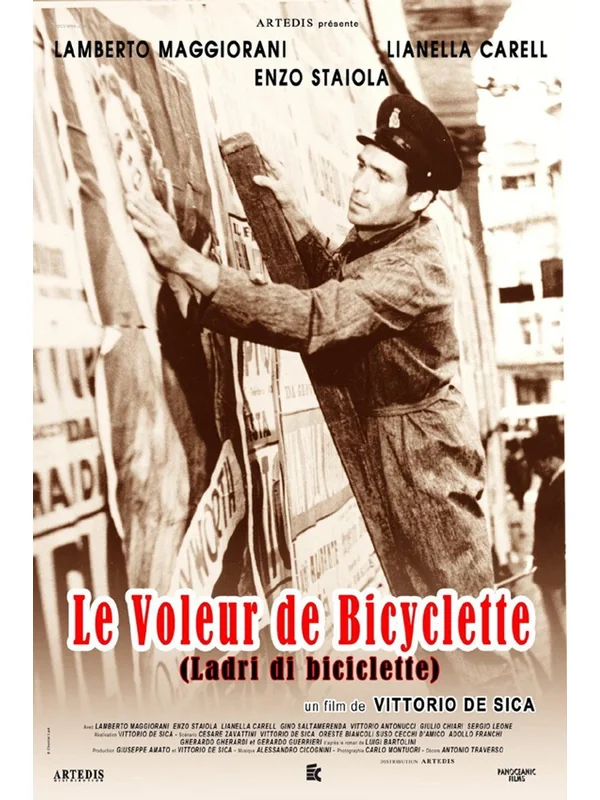
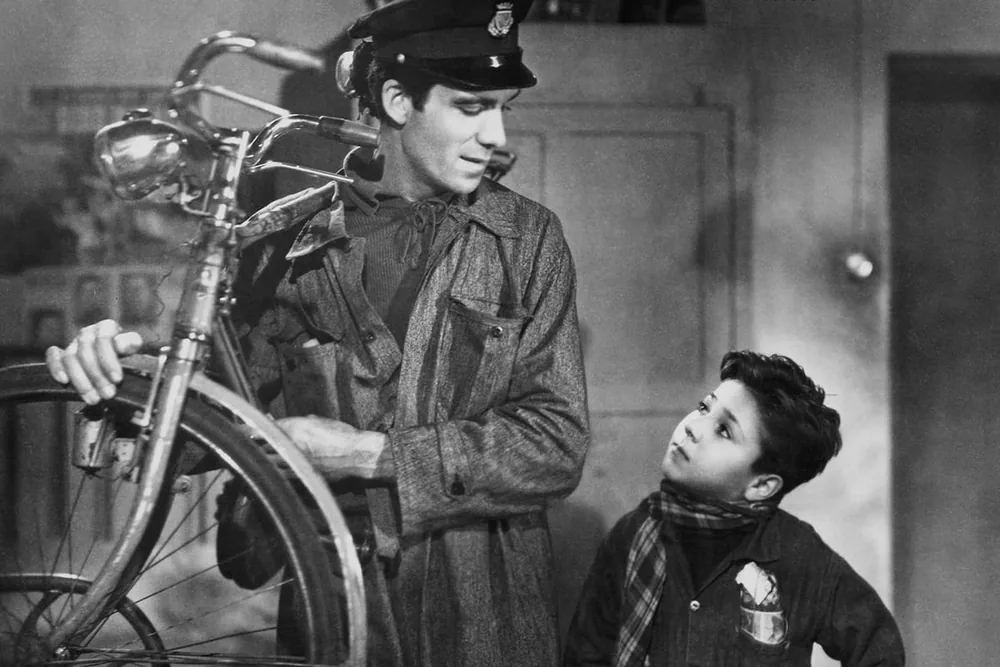
Bicycle Thief (Ladri di biciclette) (1948)
Director: Vittorio De Sica.
Starring: Lamberto Maggiorani (Antonio Ricci), Enzo Staiola (Bruno), Lianella Carell (Maria).
Synopsis: In postwar Rome, a man and his son scour the city in search of the stolen bicycle on which his job depends.
Why watch it? One of the most iconic films of neorealism, deeply moving in its portrayal of humanity, and awarded an Honorary Oscar in 1950.
Note: Filmed entirely on the streets of Rome with non-professional actors: Lamberto Maggiorani was a factory worker. American producer David O. Selznick offered to finance the film if Cary Grant took the lead role. Ranked first in the very first Sight and Sound list of the greatest films of all time in 1952, it inspired Satyajit Ray to become a filmmaker.
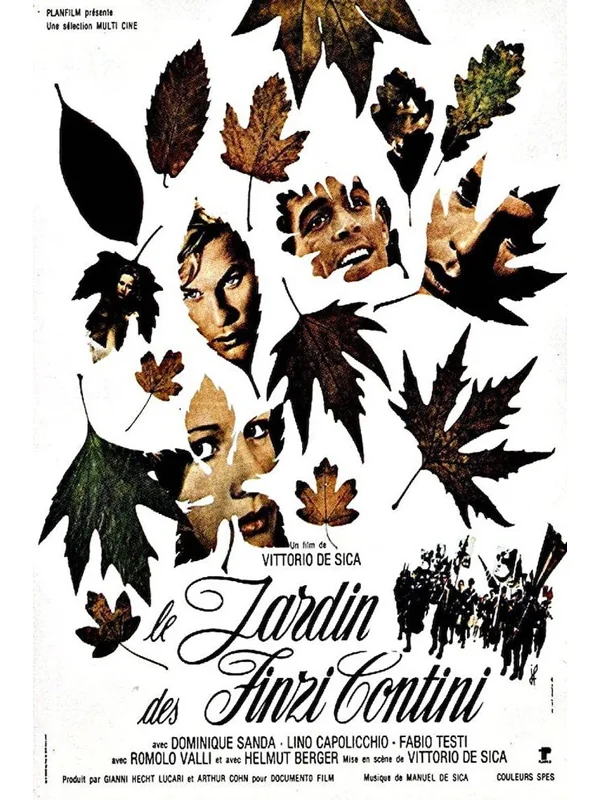
The Garden of the Finzi-Continis (Il giardino dei Finzi-Contini) (1970)
Director: Vittorio De Sica.
Starring: Dominique Sanda (Micòl), Lino Capolicchio (Giorgio), Helmut Berger (Alberto), Fabio Testi (Malnate).
Synopsis: In Ferrara, beginning in 1938, a wealthy Jewish upper-middle-class family lives in seclusion on its estate as fascist racial laws are enforced.
Why see it? Winner of the Golden Bear at the Berlin Film Festival and the Oscar for Best Foreign Language Film, this is a heart-wrenching elegy about carefree days overtaken by history.
Note: Based on the novel by Giorgio Bassani (1962). The author had his name removed from the credits, in part because the film explicitly depicts a relationship that is absent from the book. Part of the filming took place in Ferrara, at the Castello Estense and the Palazzo dei Diamanti.
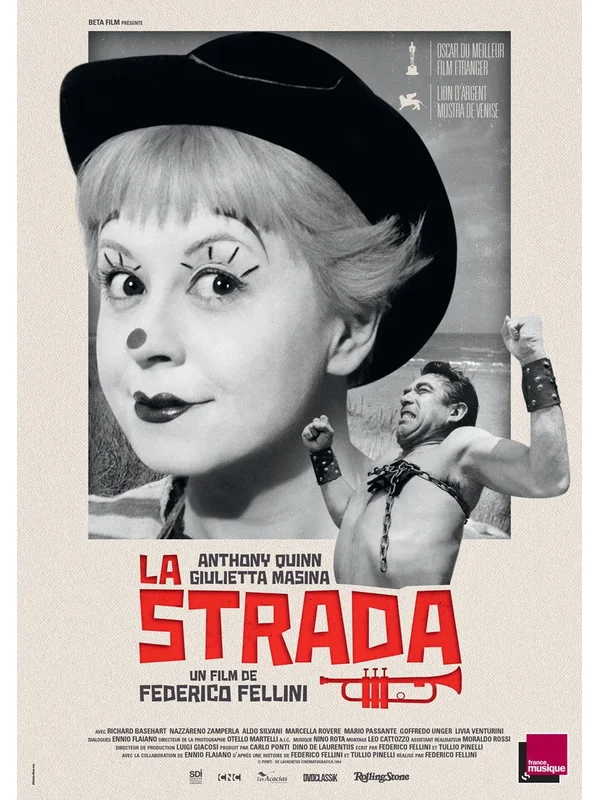
La Strada (1954)
Director: Federico Fellini.
Starring: Giulietta Masina (Gelsomina), Anthony Quinn (Zampanò), Richard Basehart (the Madman).
Synopsis: Gelsomina, a naive young woman, is sold by her mother to Zampanò, a brutal carnival owner, and follows him on the roads of a destitute Italy.
Why see it? A poetic and deeply moving fable, one of Fellini’s masterpieces, and the first film to win the Oscar for Best Foreign Language Film in competition.
Note: The producers wanted Silvana Mangano and Burt Lancaster, but Fellini insisted on casting his wife, Giulietta Masina. In Venice in 1954, where the film won a Silver Lion, Franco Zeffirelli—Visconti’s assistant—booed Fellini’s speech, and a brawl broke out. Music by Nino Rota.
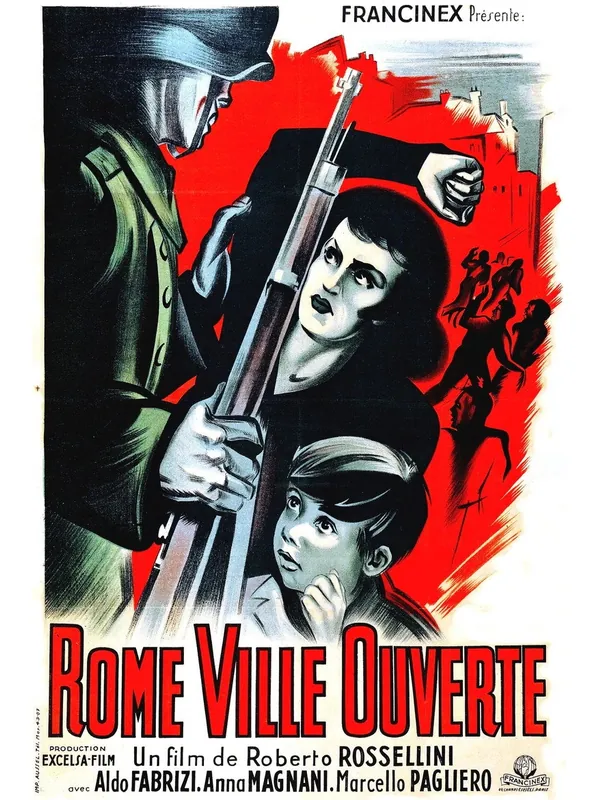
Rome, Open City (Roma città aperta) (1945)
Director: Roberto Rossellini.
Starring: Aldo Fabrizi (Don Pietro), Anna Magnani (Pina), Marcello Pagliero (Giorgio Manfredi).
Synopsis: During the Nazi occupation of Rome, members of the resistance and a priest fight at the risk of their lives.
Why watch it? The film that introduced neorealism to the world, one of the eleven winners of the Grand Prix at the first Cannes Film Festival in 1946.
Note: Filmed from January to June 1945, a few months after the liberation of Rome, on location: Cinecittà was unavailable. Due to a shortage of film stock, the crew pieced together rolls from different brands. The character of Don Pietro was inspired by two priests who were members of the Resistance, and Pina was based on Teresa Gullace, who was killed by the Nazis. The screenplay was written by a young Federico Fellini.
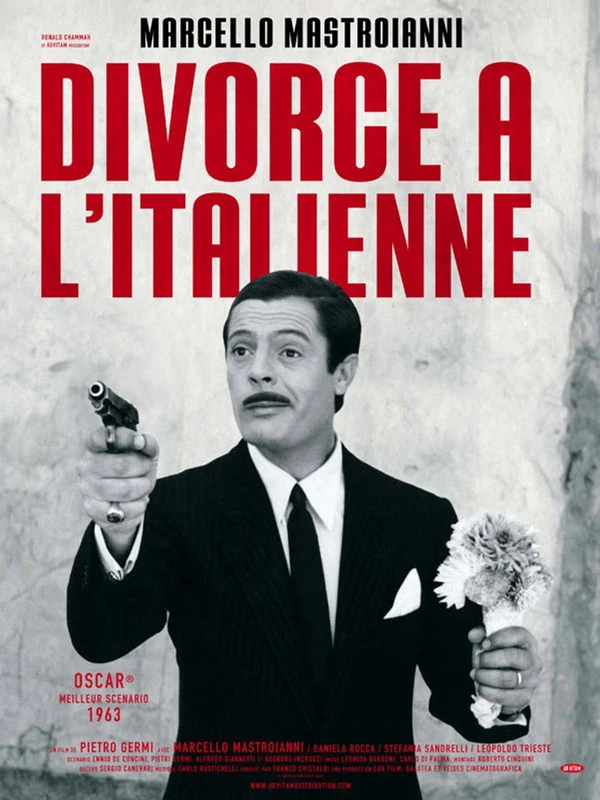
Divorce, Italian Style (Divorzio all’italiana) (1961)
Director: Pietro Germi.
Starring: Marcello Mastroianni (Baron Ferdinando Cefalù), Daniela Rocca (Rosalia), Stefania Sandrelli (Angela).
Synopsis: A Sicilian baron, in love with his young cousin, devises a plan to get rid of his wife with impunity.
Why see it? Italian-style comedy at its peak, an Oscar for Best Original Screenplay, and an irresistible Mastroianni.
Note: The term “Italian-style comedy” originated as a play on the film’s title. The film satirizes Article 587 of the Penal Code, which significantly reduced the penalty for “honor killings” and was not repealed until 1981, in an Italy where divorce did not exist until 1970. Mastroianni earned an Oscar nomination for Best Actor for his performance in the film.
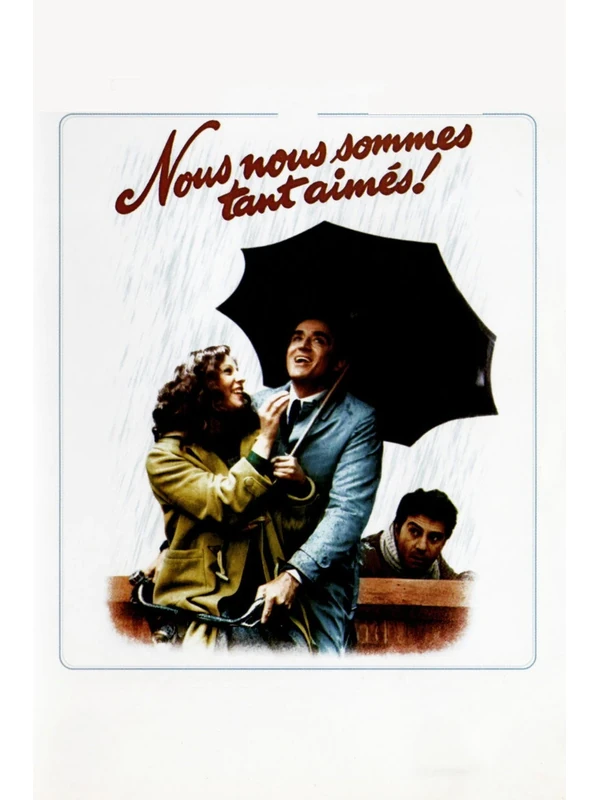
We Loved Each Other So Much (C’eravamo tanto amati) (1974)
Director: Ettore Scola.
Starring: Nino Manfredi (Antonio), Vittorio Gassman (Gianni), Stefania Sandrelli (Luciana), Stefano Satta Flores (Nicola).
Synopsis: Three friends, united in the Resistance, see their friendship and ideals put to the test by thirty years of Italian history.
Why see it? A tender and melancholic epic that pays homage to postwar Italian cinema.
Note: The past is filmed in black and white, while the present is in color. Fellini and Mastroianni play themselves in the scene shot at the Trevi Fountain. The film is dedicated to Vittorio De Sica, who died during the sound mixing process.
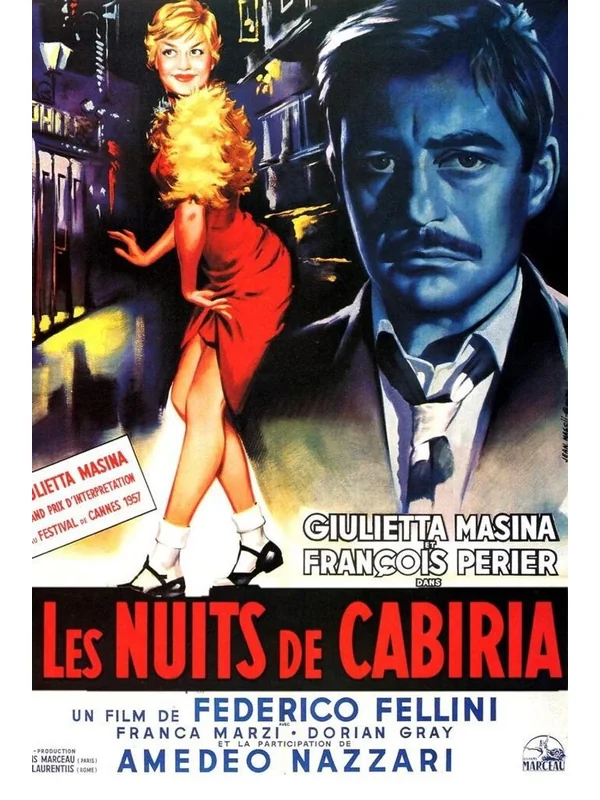
The Nights of Cabiria (Le notti di Cabiria) (1957)
Director: Federico Fellini.
Starring: Giulietta Masina (Cabiria), François Périer (Oscar), Amedeo Nazzari (Alberto Lazzari).
Synopsis: In Rome, a big-hearted, eternally optimistic prostitute goes from one encounter to the next, facing one disappointment after another, yet never giving up hope.
Why watch it? Giulietta Masina won the Best Actress Award at Cannes, it won the Oscar for Best Foreign Language Film, and it features a Fellini still drawing inspiration from neorealism.
Note: *Cabiria* originated from a brief appearance by the character in *The White Sheik*. Pier Paolo Pasolini worked on the dialogue. A seven-minute sequence, cut by censors, was not restored until 1998. Broadway adapted it into the musical *Sweet Charity* (1966), which was brought to the screen by Bob Fosse in 1969.
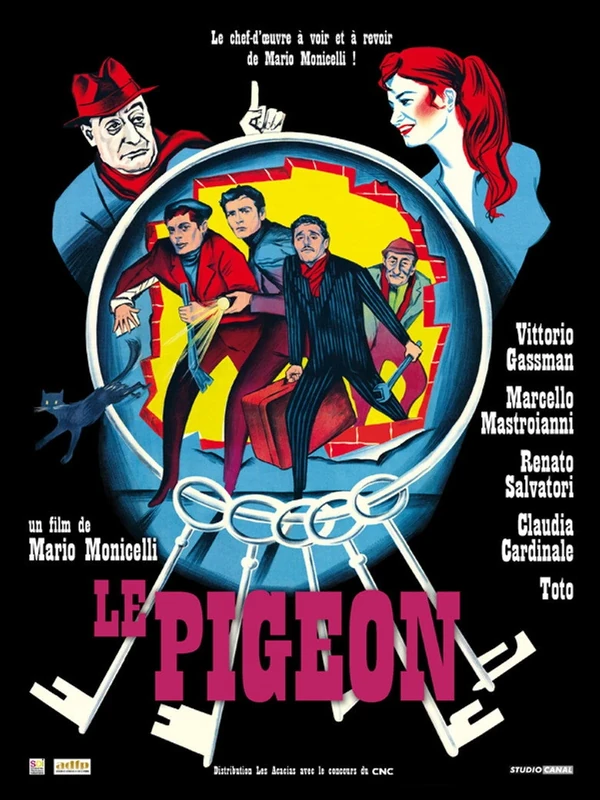
The Pigeon (I soliti ignoti) (1958)
Director: Mario Monicelli.
Starring: Vittorio Gassman (Peppe), Marcello Mastroianni (Tiberio), Renato Salvatori (Mario), Totò (Dante Cruciani), Claudia Cardinale (Carmelina).
Synopsis: A gang of small-time crooks plans to rob a pawnshop, but their clumsiness turns the whole thing into a comedy.
Why see it? A seminal work of Italian-style comedy—hilarious and heartwarming—starring Gassman, Mastroianni, and Totò.
Note: Monicelli set out to parody Jules Dassin’s *Du rififi chez les hommes *. Claudia Cardinale, who was not yet twenty years old, plays one of her first roles in the film. Nominated for an Oscar for Best Foreign Language Film in 1959, it inspired Louis Malle’s *Crackers* (1984) and the Russo brothers’ *Welcome to Collinwood* (2002).
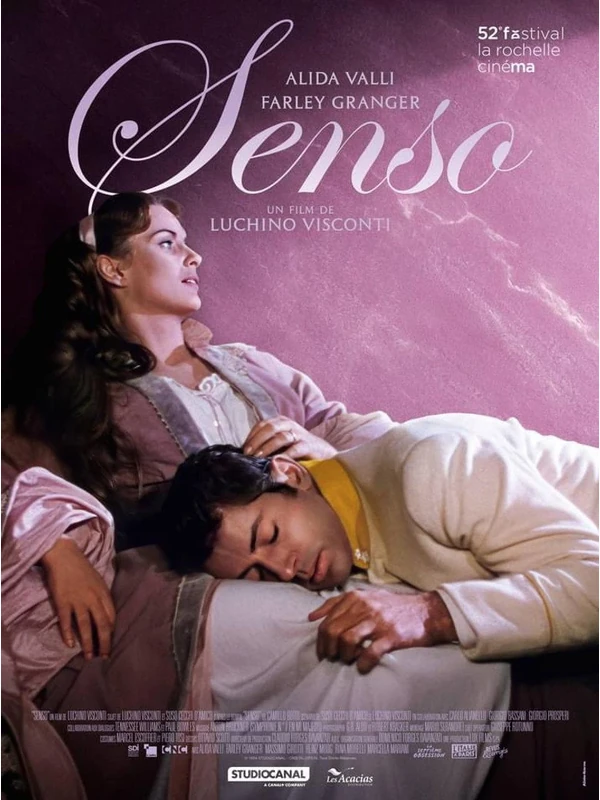
Senso (1954)
Director: Luchino Visconti.
Starring: Alida Valli (Countess Livia Serpieri), Farley Granger (Lieutenant Franz Mahler), Massimo Girotti (Roberto Ussoni).
Synopsis: In 1866, in the Austrian-occupied Veneto region, a countess is swept up in a destructive passion for a young enemy officer.
Why see it? Visconti’s first color film, a flamboyant melodrama of striking visual beauty.
Note: Based on a short story by Camillo Boito (1883). The film opens at La Fenice with a performance of Verdi’s *Il Trovatore *. Cinematographer G.R. Aldo died in an accident during filming. The censors imposed cuts and rejected the title Visconti had chosen, “Custoza,” named after an Italian defeat in 1866.
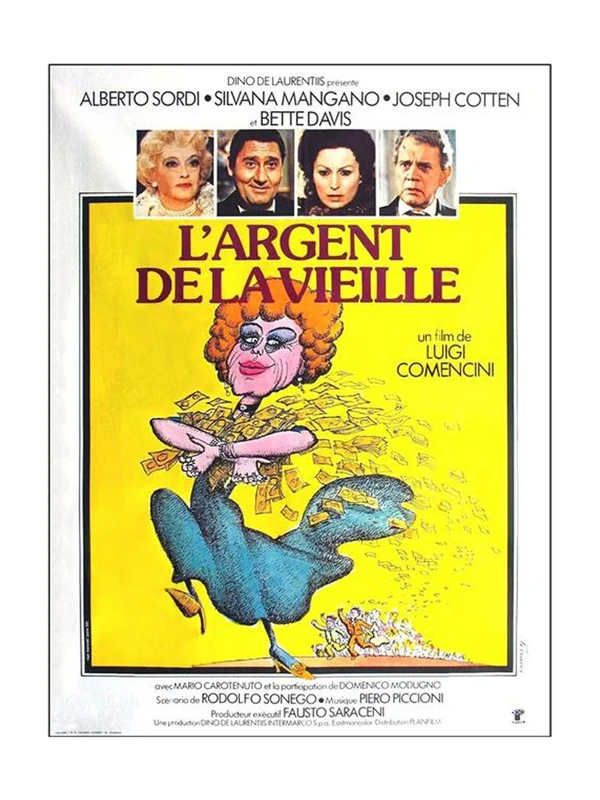
The Old Woman's Money (Lo scopone scientifico) (1972)
Director: Luigi Comencini.
Starring: Alberto Sordi (Peppino), Silvana Mangano (Antonia), Bette Davis (the American billionaire), Joseph Cotten (George).
Synopsis: Every year, a wealthy American woman plays cards against a poor couple from a slum in Rome who dream of ruining her.
Why see it? A scathing social comedy about money and class, starring Sordi, Mangano, and Bette Davis.
Note: The game mentioned in the original title is “scopone scientifico,” a variation of “scopa.” Bette Davis didn’t learn until she arrived on set that her lines would be filmed in Italian. Silvana Mangano won the David di Donatello Award for Best Actress for this role.
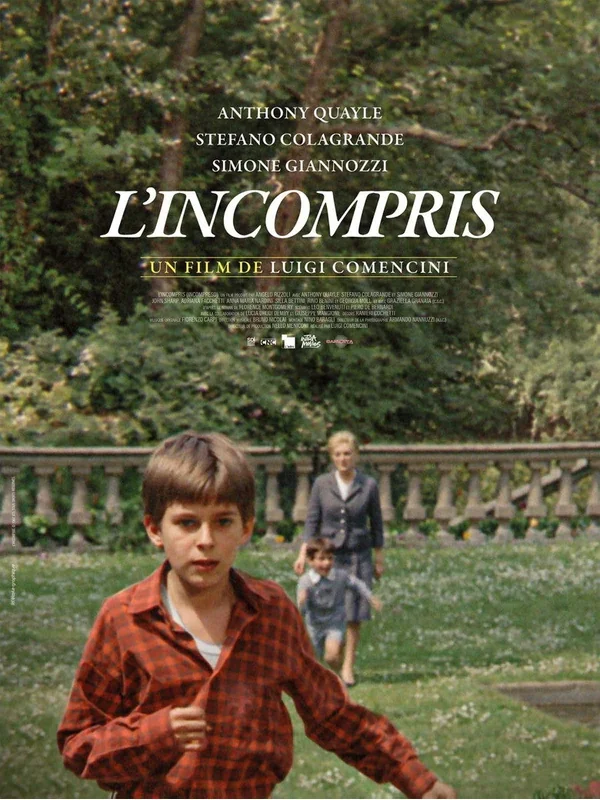
The Misunderstood (Incompreso) (1966)
Director: Luigi Comencini.
Starring: Anthony Quayle (Consul Duncombe), Stefano Colagrande (Andrea), Simone Giannozzi (Milo).
Synopsis: In Florence, after their mother’s death, a British consul struggles to recognize the grief of his eldest son, whom he believes to be indifferent.
Why watch it? One of the most beautiful films ever made about childhood and family misunderstandings.
Note: Based on the English novel by Florence Montgomery (1869). The film was very poorly received in competition at Cannes in 1967 but was reevaluated upon its re-release in 1978. According to critic Paolo Mereghetti, it marked the beginning of a new phase in Comencini’s career, one focused on childhood.
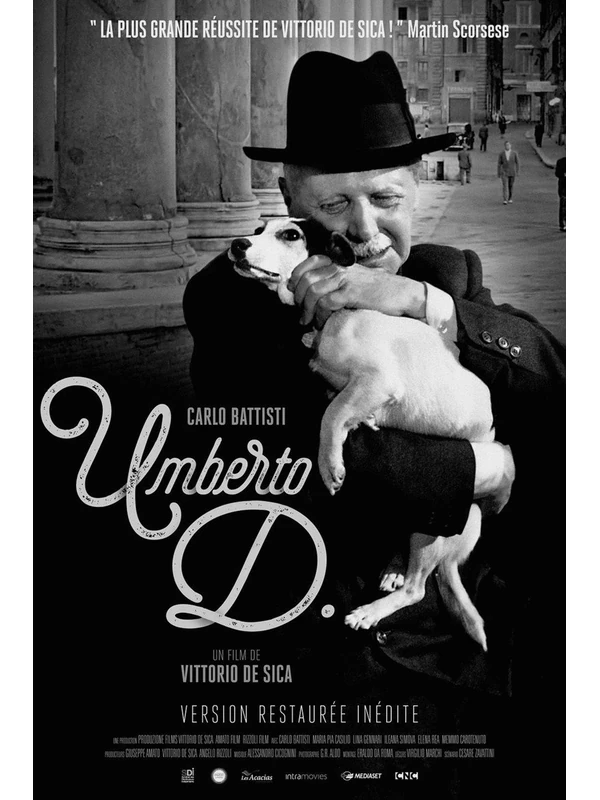
Umberto D. (1952)
Director: Vittorio De Sica.
Starring: Carlo Battisti (Umberto Domenico Ferrari), Maria Pia Casilio (Maria), Lina Gennari (the landlady).
Synopsis: An elderly retired civil servant, living alone with his dog, struggles against poverty and indifference to keep his room.
Why watch it? One of the last great films of neorealism, filled with heart-wrenching tenderness and dignity.
Note: Carlo Battisti was a professor of linguistics at the University of Florence; this was his only film role. Giulio Andreotti, who was then in charge of entertainment policy in the government, criticized De Sica for airing Italy’s dirty laundry in public. Ingmar Bergman said he had seen it a hundred times.
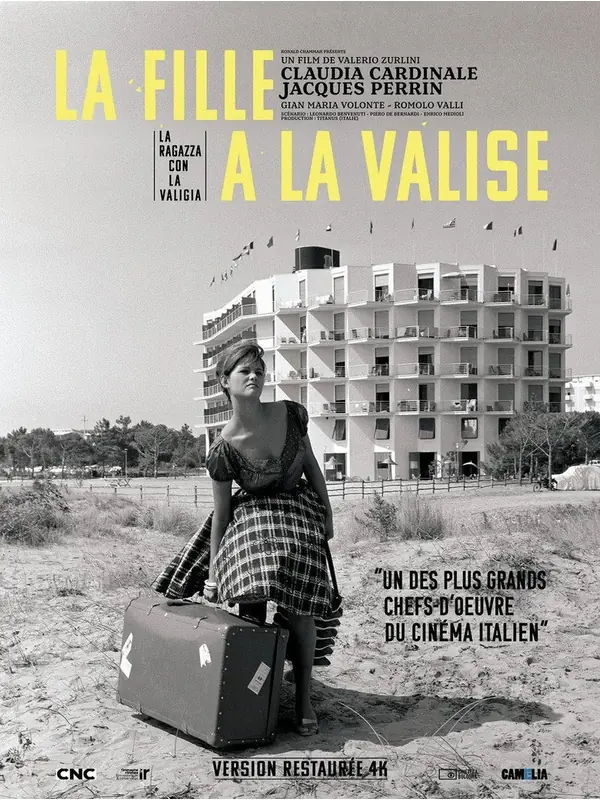
The Girl with the Suitcase (La ragazza con la valigia) (1961)
Director: Valerio Zurlini.
Starring: Claudia Cardinale (Aida), Jacques Perrin (Lorenzo), Corrado Pani (Marcello), Gian Maria Volonté (Piero).
Synopsis: After being abandoned by a womanizer, a young singer receives secret help from his younger brother, a sixteen-year-old boy who falls in love with her.
Why watch it? A tender melodrama carried by a radiant Claudia Cardinale.
Note: The film introduced Jacques Perrin to the public. Claudia Cardinale won a David di Donatello Award for her role in it in 1961. The following year, Zurlini won the Golden Lion at the Venice Film Festival for *Journal intime*, tied with Tarkovsky’s *Ivan’s Childhood *.
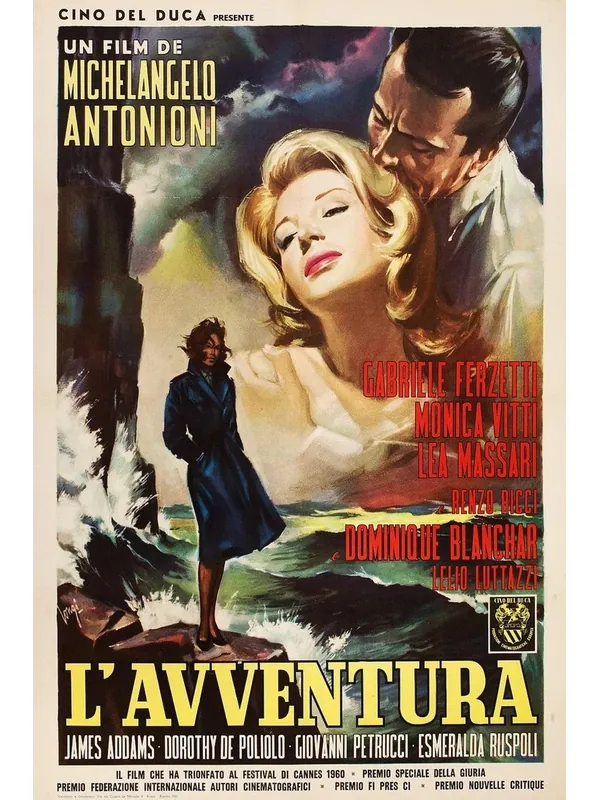
L’Avventura (1960)
Director: Michelangelo Antonioni.
Starring: Monica Vitti (Claudia), Gabriele Ferzetti (Sandro), Lea Massari (Anna).
Synopsis: During a cruise, a young woman disappears on an island; her lover and her best friend search for her, and then lose themselves in each other.
Why watch it? A revolution in cinematic language, a manifesto of modernity in film.
Note: After being booed at its screening in Cannes in 1960, the film was defended the next day in a statement by 35 filmmakers and critics, and went on to win the Jury Prize. In 1962, *Sight and Sound* ranked it second, behind *Citizen Kane*. It is the first installment of a trilogy that also includes *La Nuit * and *L’Éclipse*.
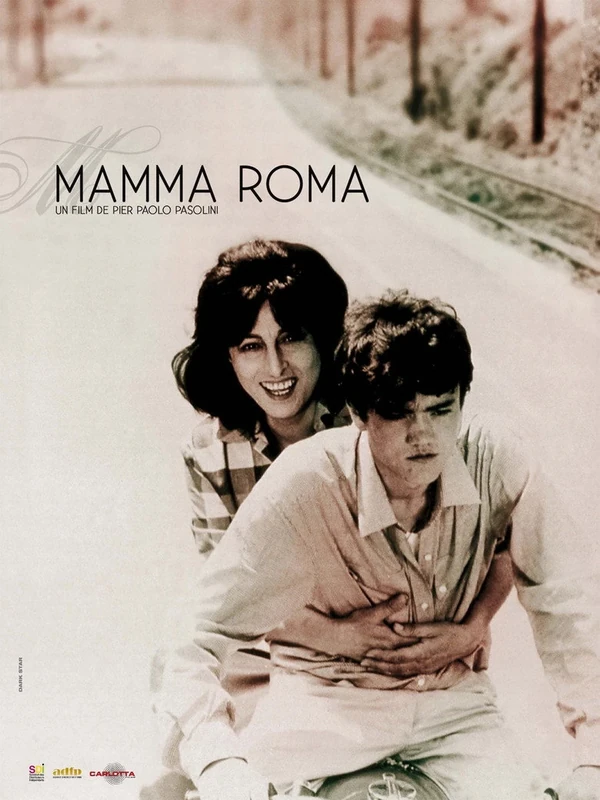
Mamma Roma (1962)
Director: Pier Paolo Pasolini.
Starring: Anna Magnani (Mamma Roma), Ettore Garofolo (Ettore), Franco Citti (Carmine).
Synopsis: A former prostitute tries to build a respectable life for her son in the suburbs of Rome, but her past catches up with her.
Why watch it? Anna Magnani shines in one of Pasolini’s greatest films.
Note: Premiered in Venice in 1962, the film led to a complaint against Pasolini for obscenity, which was dismissed. The final shot echoes the composition of Mantegna’s *The Dead Christ *. Music by Vivaldi; cinematography by Tonino Delli Colli.
Where should I start?
To explore neorealism: *Bicycle Thieves*, followed by *Rome, Open City*.
Just for laughs: *The Pigeon * and *Divorce, Italian Style*.
To explore Fellini's world: Start with *La Strada*, then *Nights of Cabiria*.
For a modern look: L’Avventura.
Frequently Asked Questions
What is Italian neorealism?
A movement that emerged at the end of World War II, from about 1943 to 1952. Its filmmakers shot on location, often with non-professional actors, and depicted the hardships of the postwar period. *Rome, Open City*, *The Bicycle Thief*, and *Umberto D.* are prime examples of this movement.
Where does the expression "Italian-style comedy" come from?
From the film *Divorce, Italian Style* by Pietro Germi (1961). The genre had, however, begun a few years earlier, with *The Pigeon* by Mario Monicelli (1958).
Which Italian film won the first Oscar for Best Foreign Language Film?
Federico Fellini’s *La Strada*, released in 1957, the first year this award was presented in competition. Previously, the Academy had awarded honorary Oscars, including one to *The Bicycle Thief* in 1950.
Why aren't *The Leopard* and *La Dolce Vita* included in this selection?
To avoid duplicates, each film appears on only one of our pages. Find *The Leopard* among our classic films and *La Dolce Vita* among our black-and-white films.
See also: black-and-white · classics · contemporary · Asian · contemporary French · horror · Chinese · French series
Programs offered at ESRA Paris
The school offers post-baccalaureate Programs in all three audiovisual fields. These Programs award a state-approved degree recognized by the French Ministry of Higher Education and Research.
Producer, Director, Editor
Audiovisual, Sound Systems, Music,
Radio, Video Games
Animation, 3D Compositing & VFX, Management & Production, Modeling