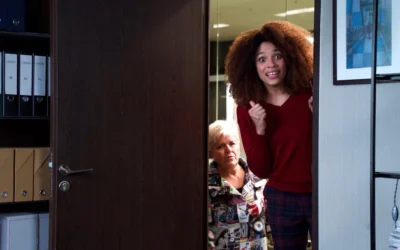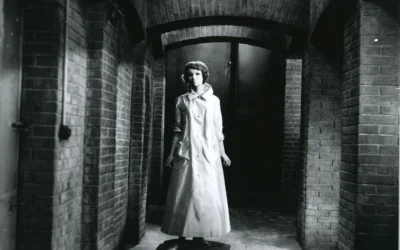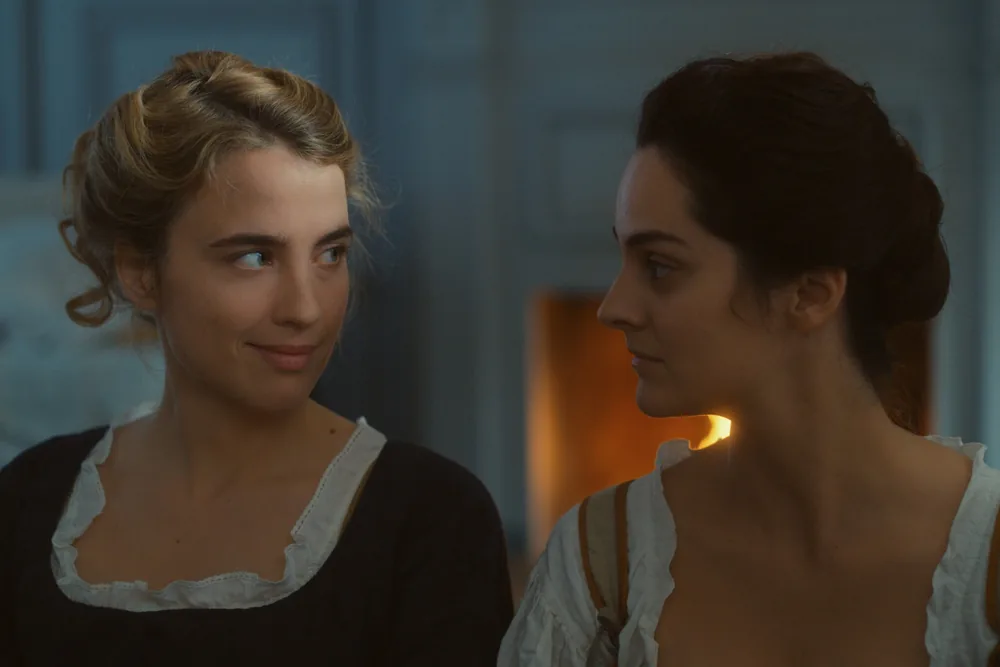
French cinema is constantly reinventing itself. From the Palme d’Or to genre films, (re)discover a selection of the most memorable contemporary French films—ones you should see at least once in your lifetime. Interested in directing or screenwriting? Explore our Film & Television Programs .
Three Key Points for Understanding Contemporary French Cinema
"New French Cinema" (1990s)
Critics thus refer to a generation that emerged around the 1990s: Arnaud Desplechin, Claire Denis, Cédric Klapisch, Mathieu Kassovitz, and François Ozon. Several of them attended La Fémis, the school that replaced IDHEC in 1986. Many cite Maurice Pialat as a greater influence than the French New Wave. *La Haine* (1995) is one of the defining films of this generation.
The Return of the Palme d’Or (since 2008)
After Maurice Pialat’s *Sous le soleil de Satan* in 1987, it wasn’t until Laurent Cantet’s *Entre les murs* in 2008 that a French film once again won the Palme d’Or. Notable films that followed include *Blue Is the Warmest Color* (2013), Jacques Audiard’s *Dheepan* (2015), Julia Ducournau’s *Titane* (2021), and *Anatomy of a Fall* (2023).
Genre Films Take Center Stage (2010–2020)
Horror and fantasy are making their mark on the major award lists. *Grave* (2016) introduced Julia Ducournau, who in 2021, with *Titane*, became the second woman to win the Palme d’Or, following Jane Campion in 1993. In 2024, *Le Règne animal*, a story of transformation, was the film with the most César Award nominations, with twelve.
Must-See Contemporary French Films
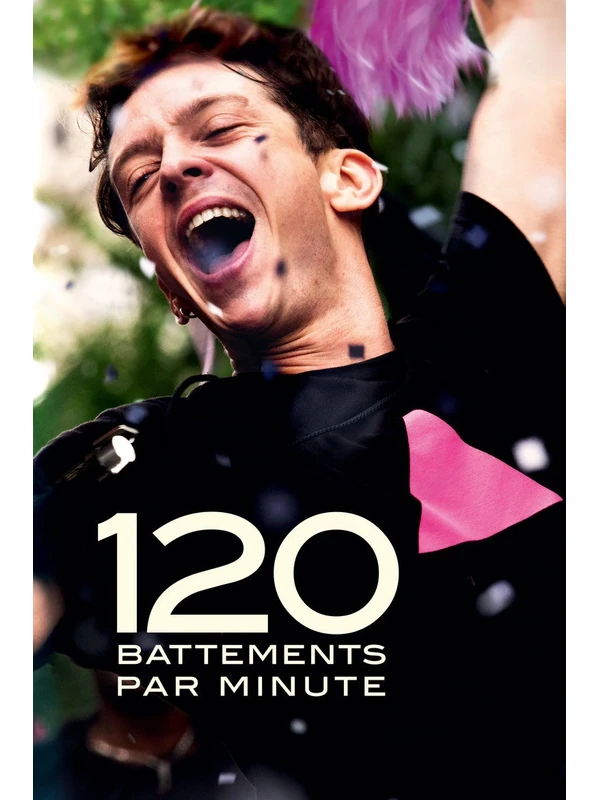
120 beats per minute (2017)
Director: Robin Campillo.
Starring: Nahuel Pérez Biscayart (Sean Dalmazo), Arnaud Valois (Nathan), Adèle Haenel (Sophie).
Synopsis: In the early 1990s, activists from Act Up-Paris fought against indifference toward AIDS.
Why see it? Winner of the Grand Prix at Cannes, this is a vibrant, political, and deeply moving film about commitment and love.
Note: Robin Campillo was himself an activist with ACT UP in the 1990s, as was his co-screenwriter, Philippe Mangeot. The title refers to the tempo of house music, which the filmmaker describes as the soundtrack of the AIDS era. Selected to represent France at the Oscars, the film was not among the nominees but drew more than 850,000 viewers in theaters.
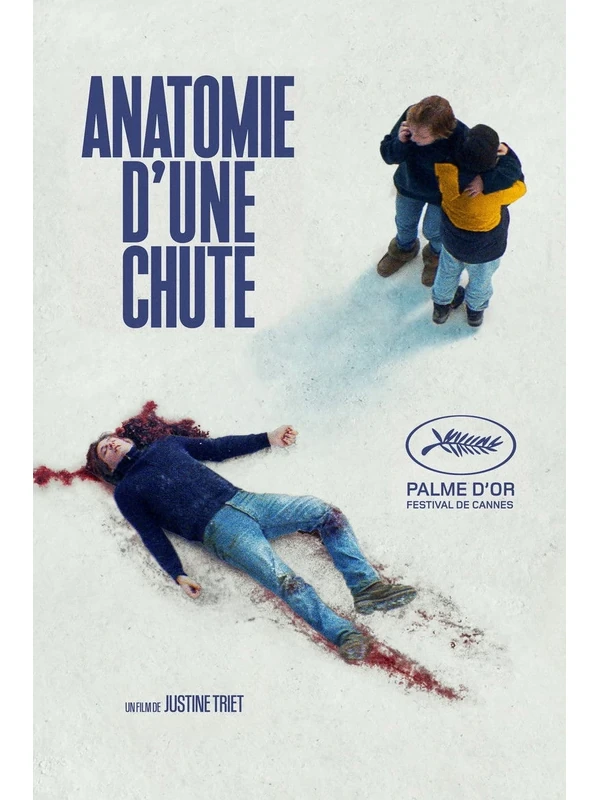
Anatomy of a Fall (2023)
Director: Justine Triet.
Starring: Sandra Hüller (Sandra Voyter), Swann Arlaud (Vincent Renzi, the lawyer), Milo Machado Graner (Daniel).
Synopsis: A writer stands trial for the death of her husband, who was found at the foot of their cabin; their visually impaired son is the only witness.
Why see it? Winner of the Palme d’Or, a dizzying legal thriller about truth and relationships.
Fun fact: Messi, the border collie who plays Snoop, Daniel’s guide dog, received the Palm Dog award at Cannes. In France, the committee responsible for selecting the nominee for the International Feature Film Oscar chose *La Passion de Dodin Bouffant* over it, by a vote of 4 to 3. The song that plays on a loop at the beginning of the film is an instrumental cover of 50 Cent’s “P.I.M.P.” by the Bacao Rhythm & Steel Band.
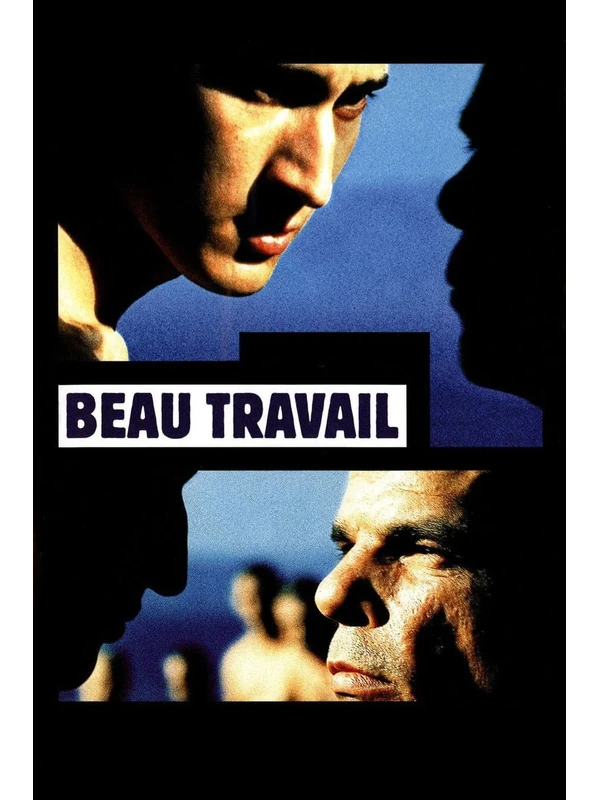
Great Work (1999)
Director: Claire Denis.
Starring: Denis Lavant (Chief Warrant Officer Galoup), Michel Subor (Commander Bruno Forestier), Grégoire Colin (Gilles Sentain).
Synopsis: Back in Marseille, a former Foreign Legionnaire reminisces about Djibouti: the discipline, desire, and jealousy that ruined his career.
Why see it? A masterpiece of filmmaking, with unparalleled visual and sensory beauty.
Note: Loosely based on Herman Melville’s short story *Billy Budd*, the film references the opera that Benjamin Britten adapted from it. Michel Subor reprises his role as Bruno Forestier, the character he played in Jean-Luc Godard’s *Le Petit Soldat*. Ranked seventh on Sight and Sound’s critics’ list in 2022, the film concludes with a dance solo improvised by Denis Lavant to Corona’s “The Rhythm of the Night.”
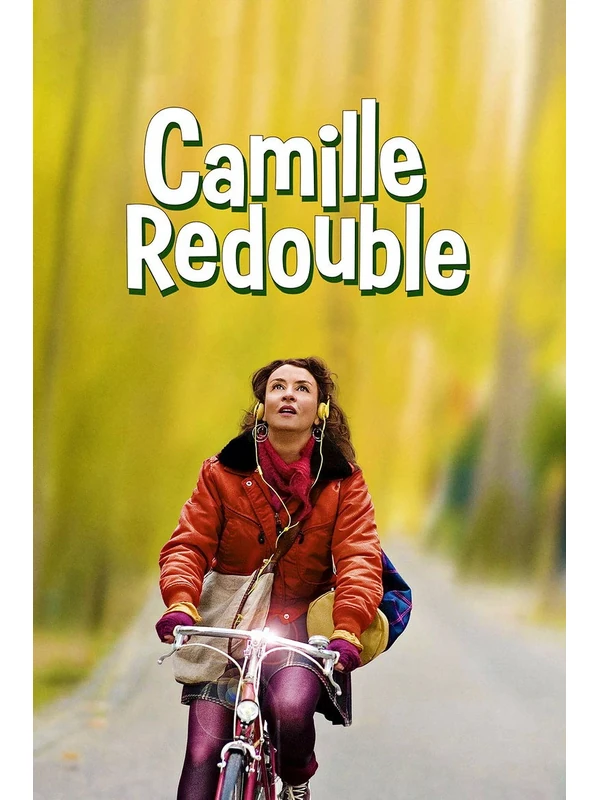
Camille Repeats a Grade (2012)
Director: Noémie Lvovsky.
Starring: Noémie Lvovsky (Camille Vaillant), Samir Guesmi (Éric), Yolande Moreau (Camille's mother).
Synopsis: A forty-year-old woman suddenly finds herself transported back to her teenage years, with the chance to relive it all.
Why watch it? A bittersweet and moving comedy about time and life choices.
Note: Noémie Lvovsky makes her acting debut in one of her own films, playing Camille at both age 40 and age 16. The film is inspired by Francis Ford Coppola’s *Peggy Sue Got Married*. Winner of the SACD Award at the Directors’ Fortnight in 2012, the film received thirteen César Award nominations in 2013 but did not win any.
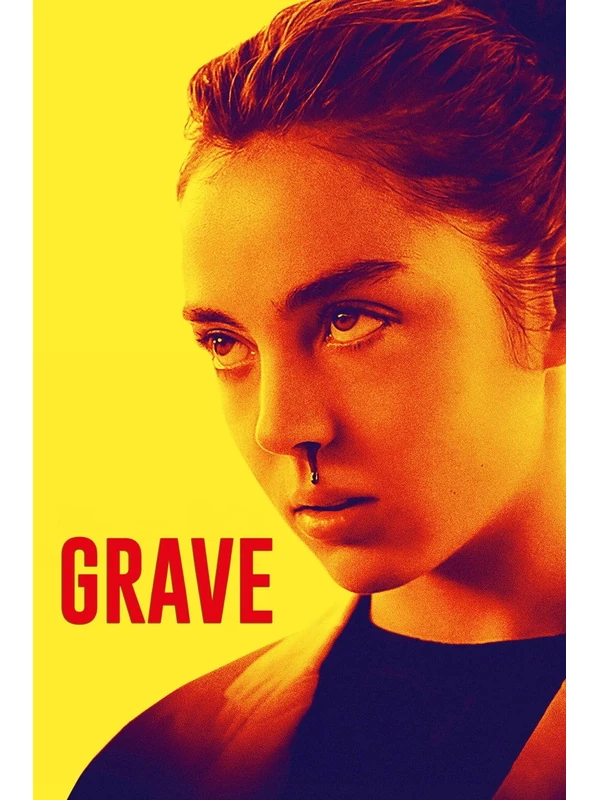
Grave (2016)
Director: Julia Ducournau.
Starring: Garance Marillier (Justine), Ella Rumpf (Alexia), Rabah Naït Oufella (Adrien).
Synopsis: A young vegetarian veterinary student discovers, during her hazing, a craving for flesh that consumes her.
Why watch it? The first groundbreaking film by a future Palme d’Or winner, blending coming-of-age and horror.
Note: The film was shot in Belgium, at the University of Liège’s veterinary school. At the 2016 Toronto Film Festival, audience members fainted during a midnight screening and had to be treated by emergency responders. It won the FIPRESCI Prize at Critics’ Week in Cannes, followed by the Louis-Delluc Prize for Best Debut Film in 2017.
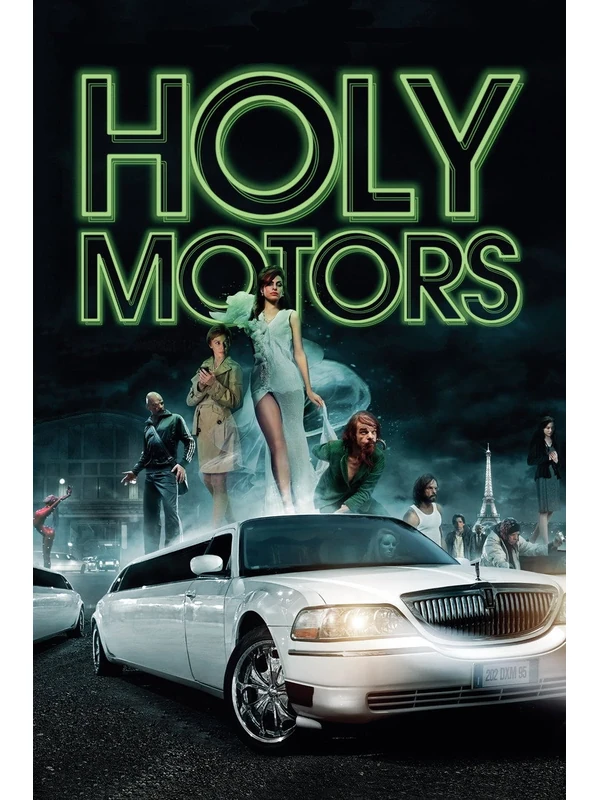
Holy Motors (2012)
Director: Leos Carax.
Starring: Denis Lavant (Monsieur Oscar), Édith Scob (Céline), Kylie Minogue (Eva Grace).
Synopsis: Over the course of a single day, an enigmatic man takes on a series of identities and roles as he moves from one meeting to the next throughout Paris.
Why see it? A wild and masterful film, a declaration of love for cinema and transformation.
Note: This is Leos Carax’s first feature film since *Pola X*, released thirteen years earlier; the filmmaker himself appears in the prologue as a sleeper. Denis Lavant reprises his role as Monsieur Merde, a character who first appeared in the anthology film *Tokyo!* (2008). In the final sequence, Édith Scob wears a white mask reminiscent of her role in Georges Franju’s *Eyes Without a Face*.
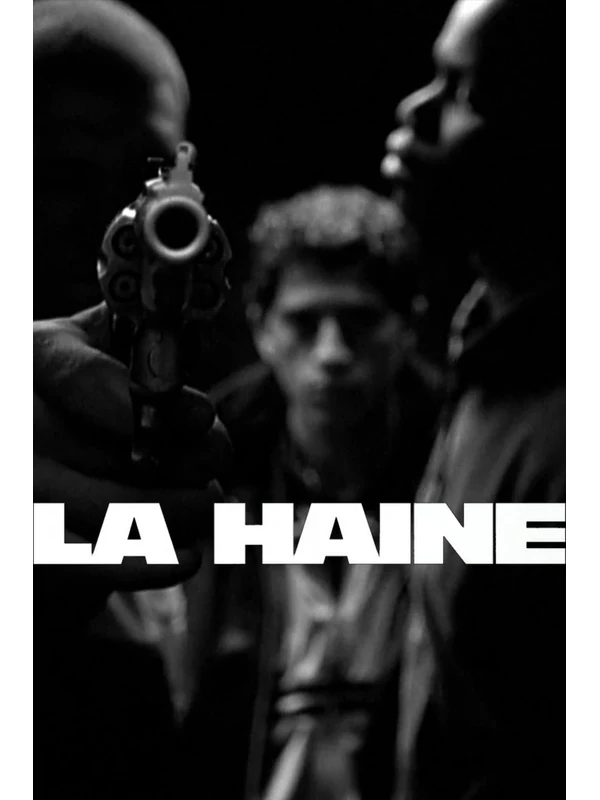
Hate (1995)
Director: Mathieu Kassovitz.
Starring: Vincent Cassel (Vinz), Hubert Koundé (Hubert), Saïd Taghmaoui (Saïd).
Synopsis: Twenty-four hours in the lives of three friends living in a housing project, in the aftermath of a police blunder.
Why see it? Winner of the Best Director Award at Cannes, a generational film that has achieved cult status.
Note: Mathieu Kassovitz drew inspiration from the death of Makomé M’Bowolé, a 17-year-old who was shot in the head in April 1993 at the Grandes-Carrières police station in Paris. Filming took place primarily in Chanteloup-les-Vignes, in the Yvelines department. The film was shot on color film and then converted to black and white.
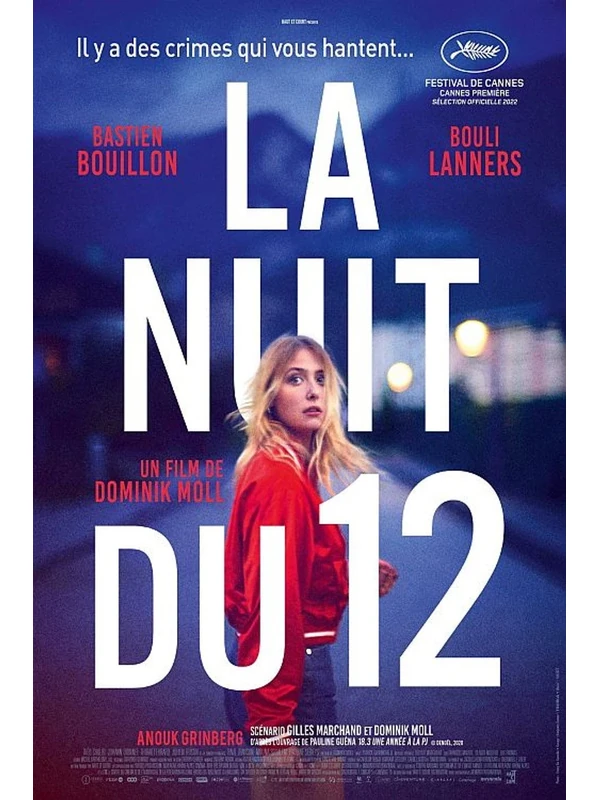
The Night of the 12th (2022)
Director: Dominik Moll.
Starring: Bastien Bouillon (Yohan Vivès), Bouli Lanners (Marceau), Anouk Grinberg (Judge Beltrame).
Synopsis: A detective is haunted by a case of femicide that he cannot solve.
Why watch it? A understated and haunting crime thriller that has won multiple César Awards.
Note: Based on *18.3. A Year with the Judicial Police*, a book written by Pauline Guéna after spending a year immersed in the judicial police. Right from the opening credits, the film makes it clear that the investigation into Clara’s murder will never be solved. It takes place between Grenoble and Saint-Jean-de-Maurienne—where it was filmed—and earned César Awards for both Bastien Bouillon and Bouli Lanners.
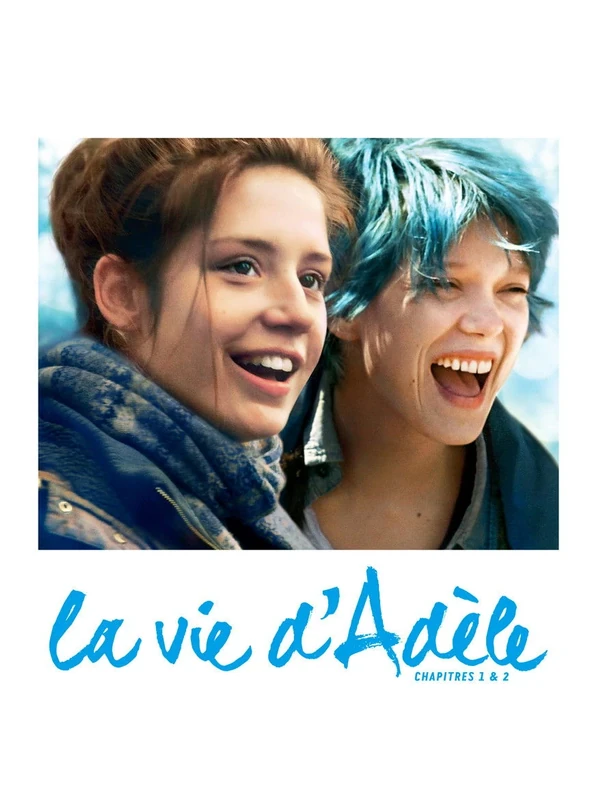
Blue Is the Warmest Color (2013)
Director: Abdellatif Kechiche.
Starring: Adèle Exarchopoulos (Adèle), Léa Seydoux (Emma), Salim Kechiouche (Samir).
Synopsis: The intense story of a young woman’s romantic passion, from the discovery of desire to the end of the relationship.
Why see it? The Palme d’Or was awarded—in an exceptional move—to both actresses and the director.
Note: Based on the graphic novel *Blue Is a Warm Color* by Jul Maroh (2010). Originally scheduled to last two and a half months, filming took five months, from March to August 2012, and the conditions on set were strongly criticized by the technical crew and the two actresses. The film runs three hours and also won the 2013 Louis-Delluc Prize.
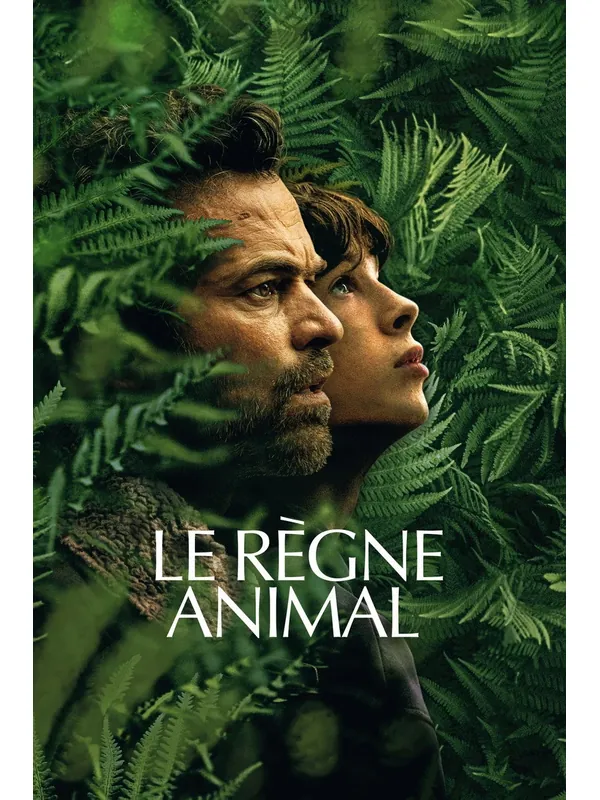
The Animal Kingdom (2023)
Director: Thomas Cailley.
Starring: Romain Duris (François), Paul Kircher (Émile), Adèle Exarchopoulos (Julia).
Synopsis: In a world where humans mutate into creatures, a father and his son search for the wife and mother who has been transformed.
Why see it? An ambitious and sensitive genre film that has been a hit with critics and audiences alike.
Note: The film opened the “Un Certain Regard” section at Cannes in 2023. The fires of summer 2022 destroyed part of the outdoor sets and extended filming by a month. With twelve nominations—one more than *Anatomy of a Fall*—it is the film with the most nominations at the 2024 César Awards; it has surpassed one million theater admissions.
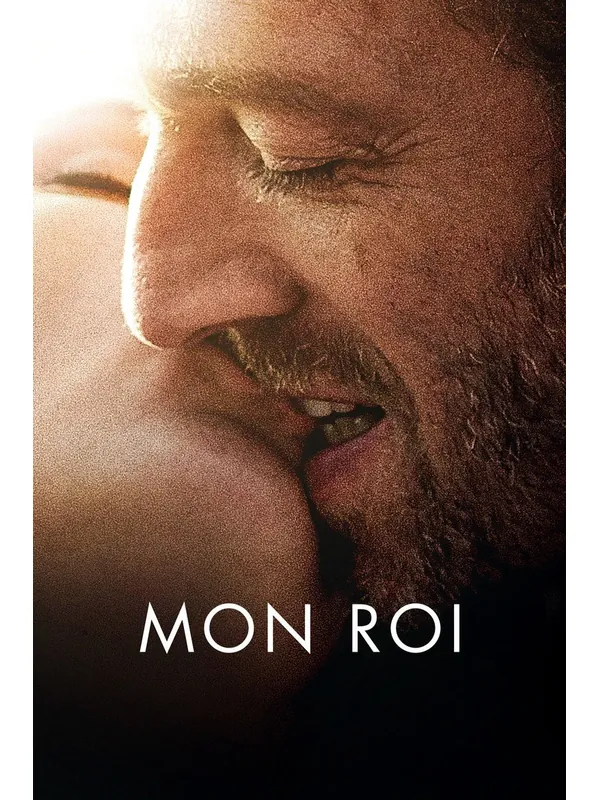
My King (2015)
Director: Maïwenn.
Starring: Emmanuelle Bercot (Tony), Vincent Cassel (Georgio), Louis Garrel (Solal).
Synopsis: While recovering from an accident, a woman relives her passionate and destructive relationship with an elusive man.
Why see it? Emmanuelle Bercot won the Best Actress Award at Cannes; it’s an intense melodrama.
Note: Emmanuelle Bercot shared her Best Actress award with Rooney Mara, who won for *Carol*. That same year, *La Tête haute*, a film she directed, opened the festival. Maïwenn wrote the role of Tony specifically for her.
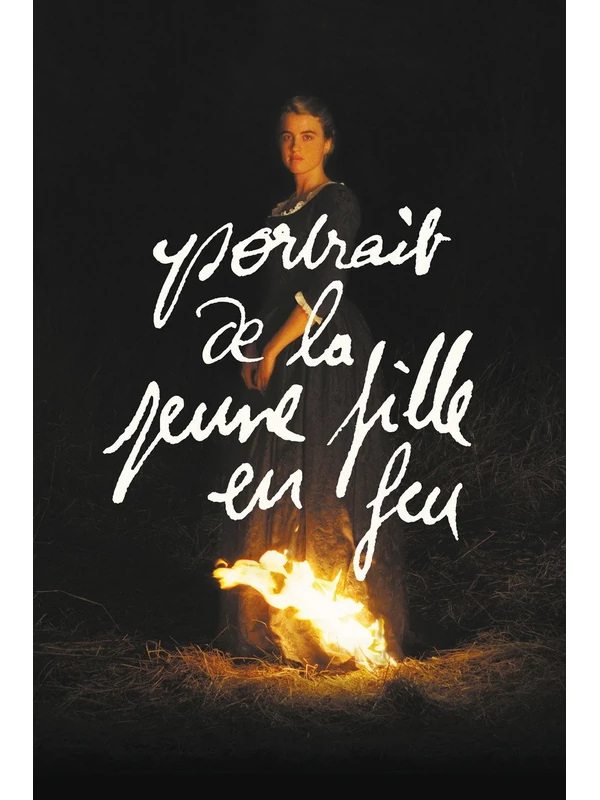
Portrait of the Girl on Fire (2019)
Director: Céline Sciamma.
Starring: Noémie Merlant (Marianne), Adèle Haenel (Héloïse), Luàna Bajrami (Sophie).
Synopsis: In the 18th century, a female painter must secretly paint the portrait of a young woman who is betrothed; a passion blossoms.
Why see it? Winner of the Best Screenplay Award at Cannes, this film is a work of understated beauty that explores the gaze and desire.
Note: The paintings and sketches of Marianne are the work of the painter Hélène Delmaire, whose hands are also visible on screen. Filmed over 38 days in Saint-Pierre-Quiberon and at a château in Seine-et-Marne, the film features almost no music, aside from Vivaldi and a choral piece composed by Para One and Arthur Simonini. It also won the Queer Palm, a first for a film directed by a woman.
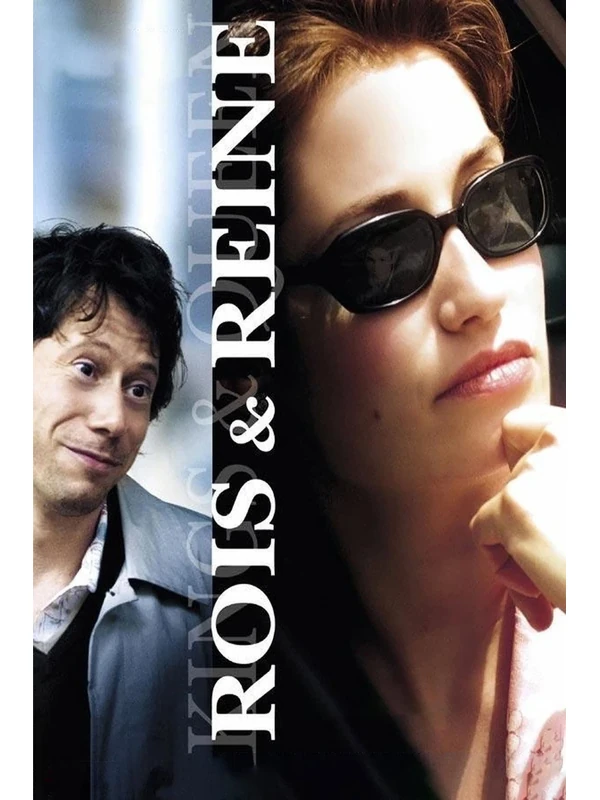
Kings and Queen (2004)
Director: Arnaud Desplechin.
Starring: Emmanuelle Devos (Nora Cotterelle), Mathieu Amalric (Ismaël Vuillard), Catherine Deneuve (Mrs. Vasset, the psychiatrist).
Synopsis: The intertwined fates of a woman dealing with her father’s illness and an ex-partner who has been institutionalized.
Why see it? A rich, sweeping epic—one of Desplechin’s greatest films.
Note: Screened in competition at the Venice Film Festival in 2004, the film won the Louis-Delluc Prize that same year. Maurice Garrel, who plays Nora’s father, was nominated for a César Award for Best Supporting Actor. Mathieu Amalric reprises his role as Ismaël Vuillard in *Les Fantômes d’Ismaël*, the opening film of the 2017 Cannes Film Festival.
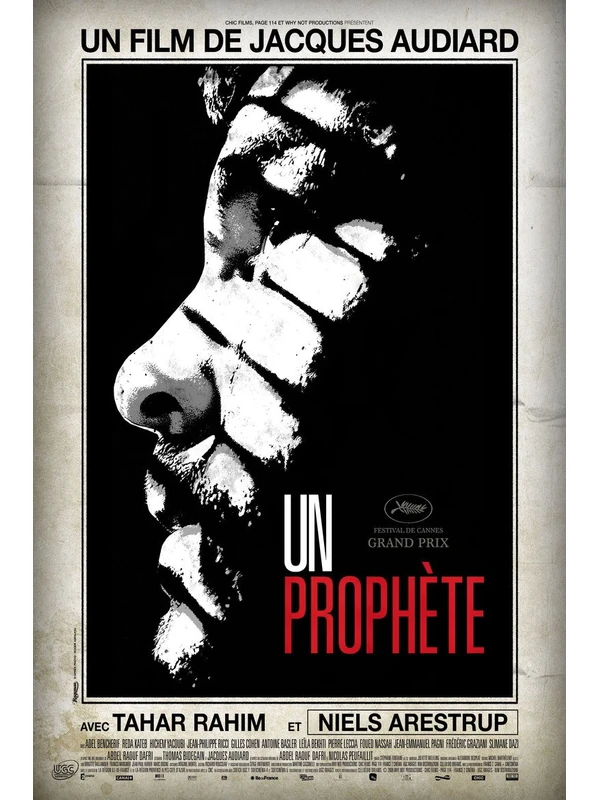
A Prophet (2009)
Director: Jacques Audiard.
Starring: Tahar Rahim (Malik El Djebena), Niels Arestrup (César Luciani), Adel Bencherif (Ryad).
Synopsis: An illiterate young man is sent to prison and, year after year, rises through the ranks of organized crime.
Why see it? Grand Prix winner at Cannes, a masterful prison drama, and Tahar Rahim’s breakthrough performance.
Note: Tahar Rahim is the first actor to win both the César Award for Best Actor and the César Award for Most Promising Actor for the same role. Jacques Audiard hired former inmates as consultants and extras. The film was also nominated for the Oscar for Best Foreign Language Film in 2010.
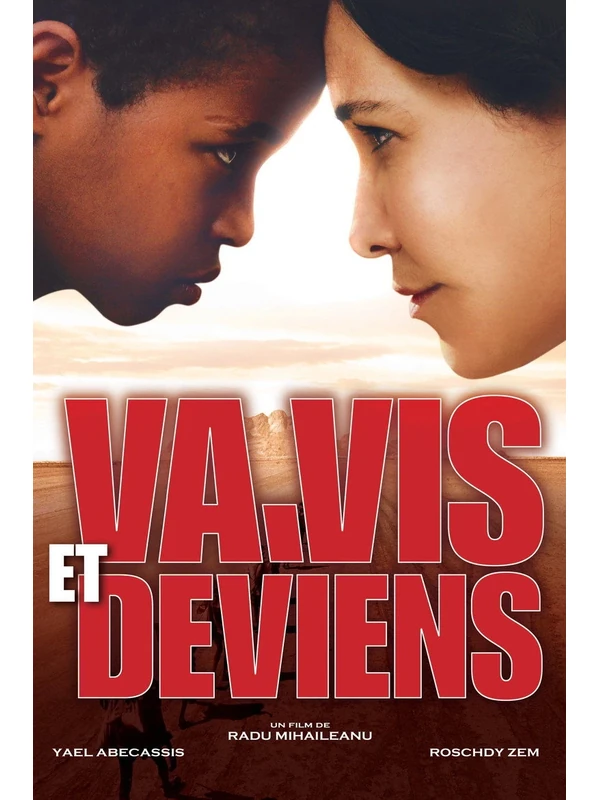
Go, Live, and Become (2005)
Director: Radu Mihaileanu.
Starring: Yaël Abecassis (Yaël Harrari), Roschdy Zem (Yoram Harrari), Sirak M. Sabahat (adult Schlomo).
Synopsis: To escape a refugee camp, a non-Jewish Ethiopian child is passed off as a Jewish orphan and taken to Israel, where he grows up with a secret.
Why see it? A deeply moving humanist epic about exile and identity, winner of a César Award.
Note: The story begins with Operation Moses, which in 1984 transported Ethiopian Jews who had taken refuge in Sudan to Israel. Three actors take turns playing the role of Schlomo: as a child, a teenager, and an adult. At the 2005 Berlinale, the film won the Audience Award in the Panorama section and the Ecumenical Jury Prize.
Where should I start?
At the Cannes Film Festival: *Anatomy of a Fall*, Palme d'Or, followed by *A Prophet*, Grand Prix.
A cult classic: *La Haine*.
For genre films: *Grave*, followed by *Le Règne animal*.
For more daring arthouse cinema: *Beau travail*, followed by *Holy Motors*.
Frequently Asked Questions
<em>Anatomie d'une chute</em> a-t-il remporté un Oscar ?
Yes, the award for Best Original Screenplay in 2024, won by Justine Triet and Arthur Harari. The film was nominated in five categories, including Best Picture, while France had chosen *La Passion de Dodin Bouffant* to compete for the Oscar for Best International Feature Film.
How many female directors have won the Palme d'Or?
Three. Jane Campion in 1993 for *The Piano*, tied with Chen Kaige’s *Farewell My Concubine *; Julia Ducournau in 2021 for *Titane*; and Justine Triet in 2023 for *Anatomy of a Fall*.
<em>La Haine</em> est-il tiré d'une histoire vraie ?
Partly. Mathieu Kassovitz drew inspiration from the death of Makomé M’Bowolé, a 17-year-old who was killed by a police officer while in custody in Paris in 1993. The story of Vinz, Hubert, and Saïd, however, is fictional.
Why aren't some highly anticipated movies included in this selection?
To avoid duplicates, each film appears on only one of our pages. *La Cérémonie* by Claude Chabrol (1995) is not included in this selection; you can find it in our classic films section.
See also: black-and-white · classics · contemporary · Asian · Italian · horror · Chinese · French series
Programs offered at ESRA Paris
The school offers post-baccalaureate Programs in all three audiovisual fields. These Programs award a state-approved degree recognized by the French Ministry of Higher Education and Research.
Producer, Director, Editor
Audiovisual, Sound Systems, Music,
Radio, Video Games
Animation, 3D Compositing & VFX, Management & Production, Modeling