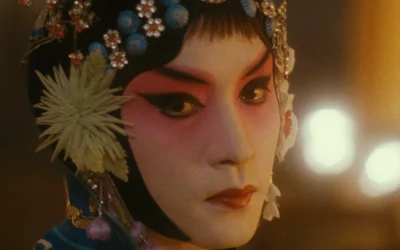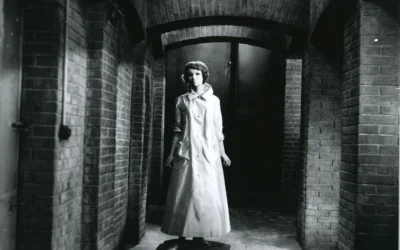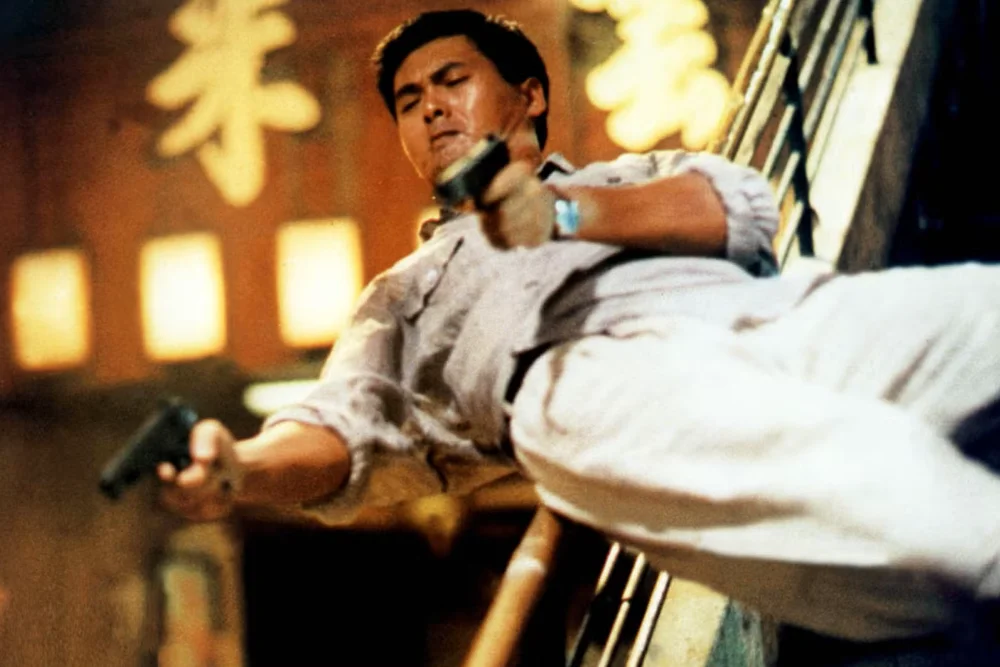
Reignite your passion for cinema by (re)discovering the great classics from Asia. Settle in comfortably with a bowl of popcorn, and let yourself be swept away by these must-see films. Here’s a selection of cult classics you should see at least once in your life. And to explore further, check out our Cinema & Television Programs .
Three Key Points for Understanding Asian Cinema
Film Festivals Discover Asia (1950s)
The Golden Lion awarded to *Rashomon* in Venice in 1951 brought Japanese cinema to the world’s attention. Teinosuke Kinugasa’s *The Gate of Hell* won the Grand Prix at Cannes in 1954. Representing India, Satyajit Ray won the Human Document Award at Cannes for *The Lament of the Path* (1956), followed by the Golden Lion for its sequel, *The Invincible* (1957).
Hong Kong, the Capital of Crime Fiction (1980s–1990s)
John Woo’s *The Killer* (1986) set the standard for “heroic bloodshed”: choreographed shootouts, gangsters bound by honor and brotherhood. Along with Ringo Lam—whose *City on Fire* inspired Quentin Tarantino’s *Reservoir Dogs* —Woo had a lasting influence on Hollywood, where he went to work after *Hard Boiled*. At the same time, Wong Kar-wai pioneered a different kind of Hong Kong cinema—one that was intimate and sensory.
The Rise of South Korean Cinema (Since the Late 1990s)
A new generation is emerging, led by Lee Chang-dong, Bong Joon-ho, and Park Chan-wook, whose film *Old Boy* won the Grand Prix at Cannes in 2004. In 2019, Bong Joon-ho’s *Parasite* earned South Korea its first Palme d’Or. In 2020, it became the first foreign-language film to win the Oscar for Best Picture.
Must-see Asian films
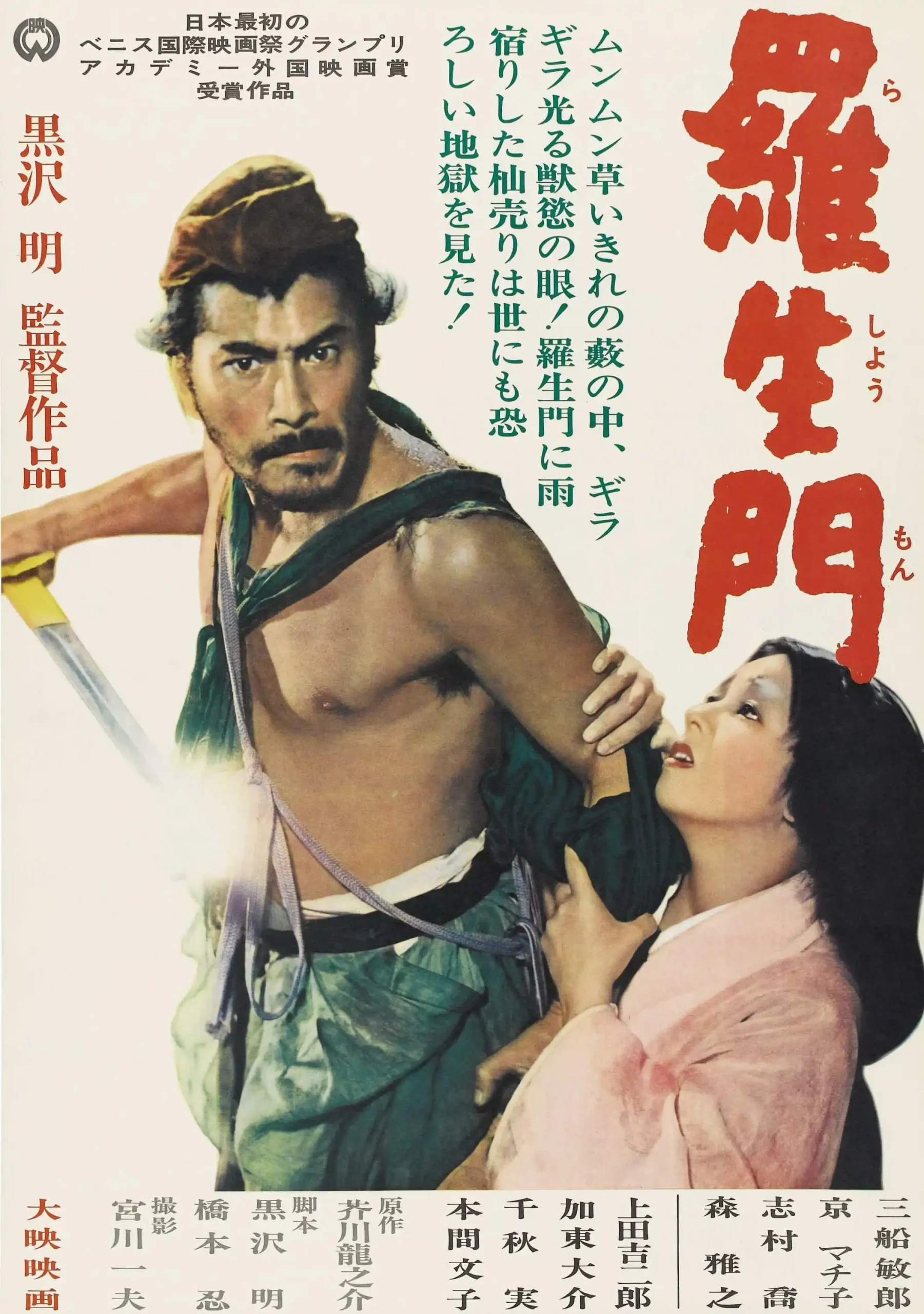
Rashômon (1950)
Director: Akira Kurosawa.
Starring: Toshirō Mifune (Tajōmaru, the bandit), Machiko Kyō (Masago, the wife), Masayuki Mori (Takehiro Kanazawa, the samurai).
Synopsis: After a murder in the woods, several witnesses give conflicting accounts of the events, blurring the line between truth and lies.
Why watch it? A reflection on the subjectivity of truth, winner of the Golden Lion at the Venice Film Festival in 1951, which brought Japanese cinema to the world’s attention.
Note: Based on two short stories by Ryūnosuke Akutagawa: “In the Thicket” for the plot, and “Rashōmon” for the title and setting. Cinematographer Kazuo Miyagawa dared to film the sun head-on—which was taboo at the time—and the rain was tinted with black ink to make it visible on screen. Daiei Studios felt the film was not representative of Japanese cinema; it was the Italian Giuliana Stramigioli who recommended it for Venice.
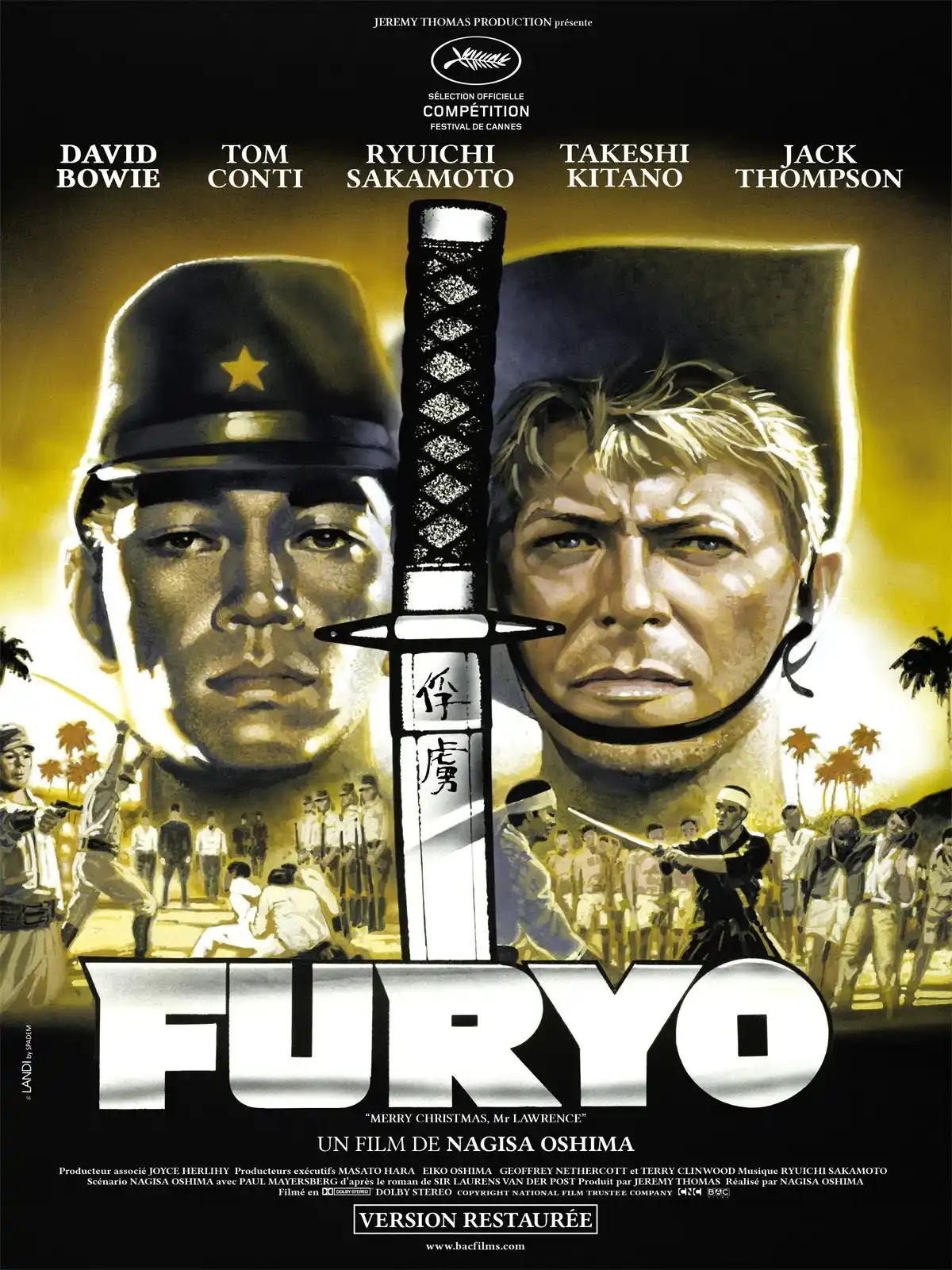
Furyo (Merry Christmas, Mr. Lawrence) (1983)
Director: Nagisa Oshima.
Starring: David Bowie (Major Jack Celliers), Tom Conti (Lieutenant Colonel John Lawrence), Ryuichi Sakamoto (Captain Yonoi), Takeshi Kitano (Sergeant Hara).
Synopsis: In a Japanese camp during World War II, British prisoners and their guards clash in a cultural clash.
Why watch it? An intense drama about honor and understanding between enemies, featuring iconic music by Ryuichi Sakamoto.
Note: Nagisa Oshima chose David Bowie after seeing him on stage on Broadway in *The Elephant Man*. This was Ryuichi Sakamoto’s first leading role and first film score; the theme, sung by David Sylvian, became the song “Forbidden Colours.” The film also introduced Takeshi Kitano—then known as a television comedian—to the big screen.
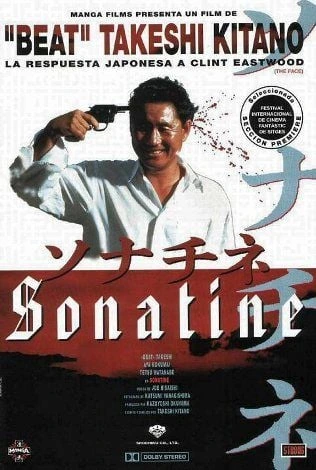
Sonatine (1993)
Director: Takeshi Kitano.
Starring: Takeshi Kitano (Murakawa), Aya Kokumai (Miyuki), Tetsu Watanabe (Uechi).
Synopsis: A disillusioned yakuza, sent to resolve a conflict in Okinawa, experiences a moment of respite before the inevitable tragedy.
Why watch it? A contemplative, stylized crime thriller that blends raw violence, humor, and melancholy.
Note: Takeshi Kitano wrote, directed, and starred in the film. Although it was snubbed by Japanese audiences, it gained recognition abroad, particularly after being selected for the “Un Certain Regard” section at the 1993 Cannes Film Festival. The music was composed by Joe Hisaishi, who also composed the scores for Hayao Miyazaki’s films.
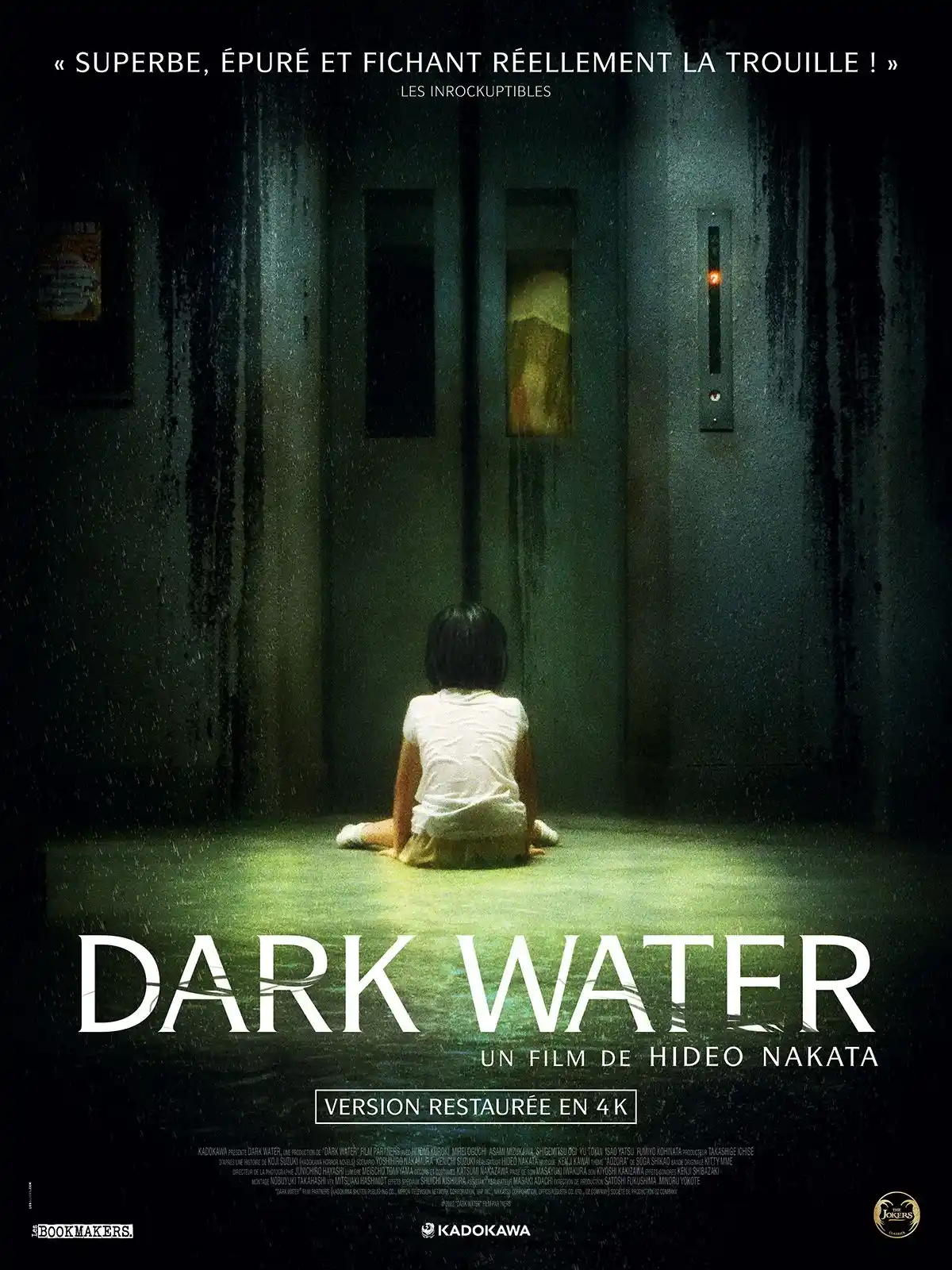
Dark Water (Honogurai mizu no soko kara) (2002)
Director: Hideo Nakata.
Starring: Hitomi Kuroki (Yoshimi Matsubara), Rio Kanno (Ikuko, age six), Asami Mizukawa (Ikuko, age sixteen).
Synopsis: A mother going through a divorce and her daughter move into a dilapidated apartment building where a disturbing water stain keeps spreading.
Why watch it? A masterpiece of J-horror, blending a sense of unease with melancholy, directed by Hideo Nakata, the director of *Ring*.
Note: Based on a short story by Kōji Suzuki, author of the novel *Ring*, which appeared in 1996 in a collection that gave the film its original title. Winner of the Grand Prix at the Gérardmer Film Festival in 2003. Walter Salles directed an American remake in 2005, starring Jennifer Connelly.
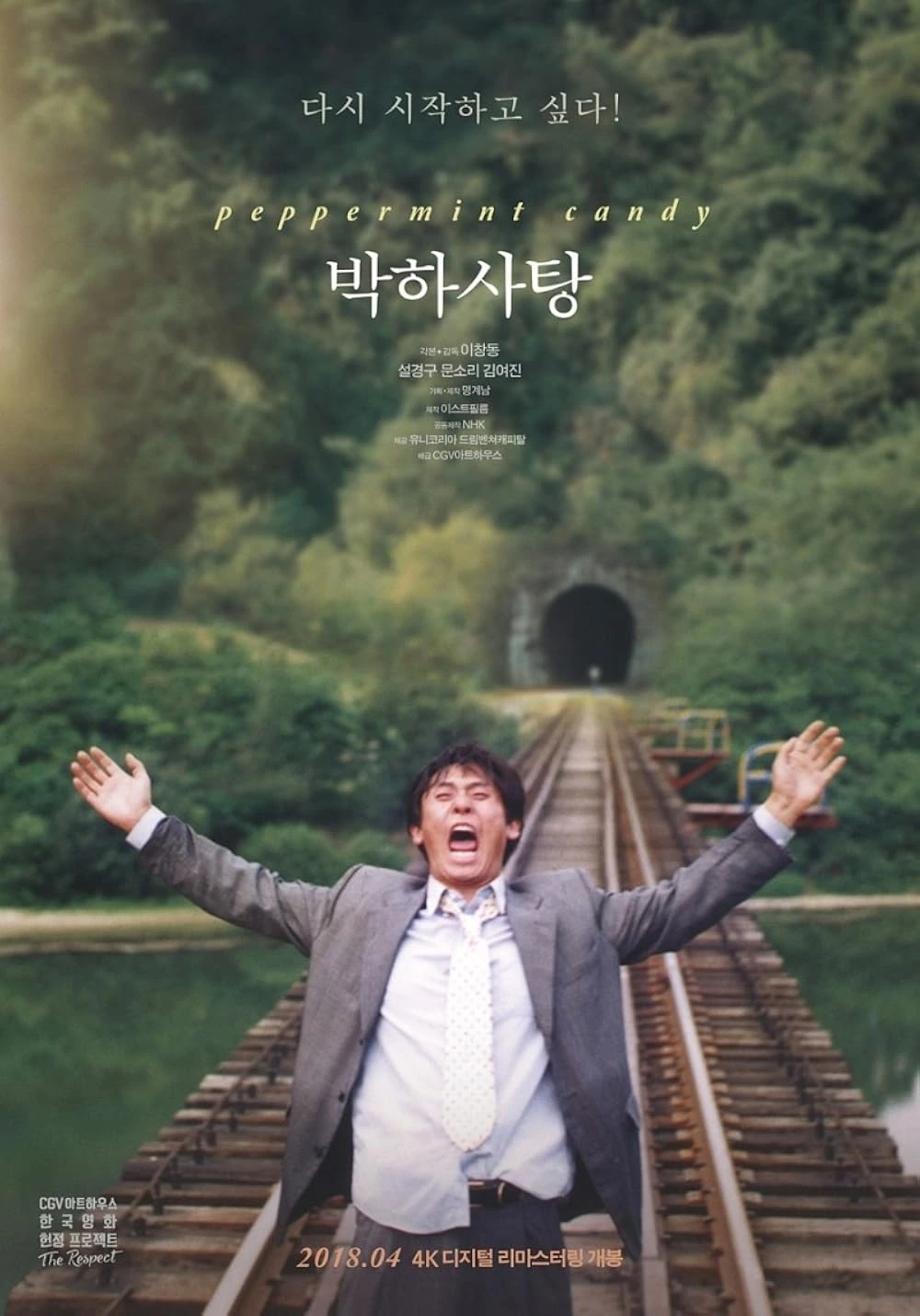
Peppermint Candy (1999)
Director: Lee Chang-dong.
Starring: Sol Kyung-gu (Kim Young-ho), Moon So-ri (Yun Sun-im), Kim Yeo-jin (Hong-ja).
Synopsis: A man looks back on the stages of his life in reverse, revealing the personal and historical wounds that led him to despair.
Why see it? A powerful drama about memory, fate, and the weight of history on the individual.
Note: The film traces twenty years of South Korean history across seven chapters, from 1999 to 1979: the Asian financial crisis, the years of dictatorship, and the Gwangju Massacre. The film opened the Busan International Film Festival in 1999 and was screened at the Directors’ Fortnight at Cannes in 2000. Sol Kyung-gu and Moon So-ri reunited in *Oasis* (2002), Lee Chang-dong’s next film.
Want to work behind the camera? ESRA offers a three-year film program for students who have completed high school. Come discover the school at our open house events or learn more about the ESRA Film program.
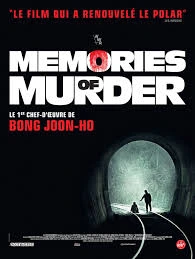
Memories of Murder (2003)
Director: Bong Joon-ho.
Starring: Song Kang-ho (Detective Park Doo-man), Kim Sang-kyung (Detective Seo Tae-yoon), Kim Roi-ha (Detective Cho Yong-koo).
Synopsis: In 1980s Korea, two police officers with contrasting approaches investigate a series of unsolved murders.
Why watch it? A gripping and deeply human crime thriller that blends suspense, social commentary, and the dread of failure.
Note: Adapted from a play by Kim Kwang-lim (1996), which was itself inspired by the serial murders committed in Hwaseong between 1986 and 1991. The film drew more than five million viewers in South Korea. In 2019, using DNA evidence, the police identified the killer, Lee Choon-jae, who was already serving a life sentence for another murder; he confessed to the crimes.
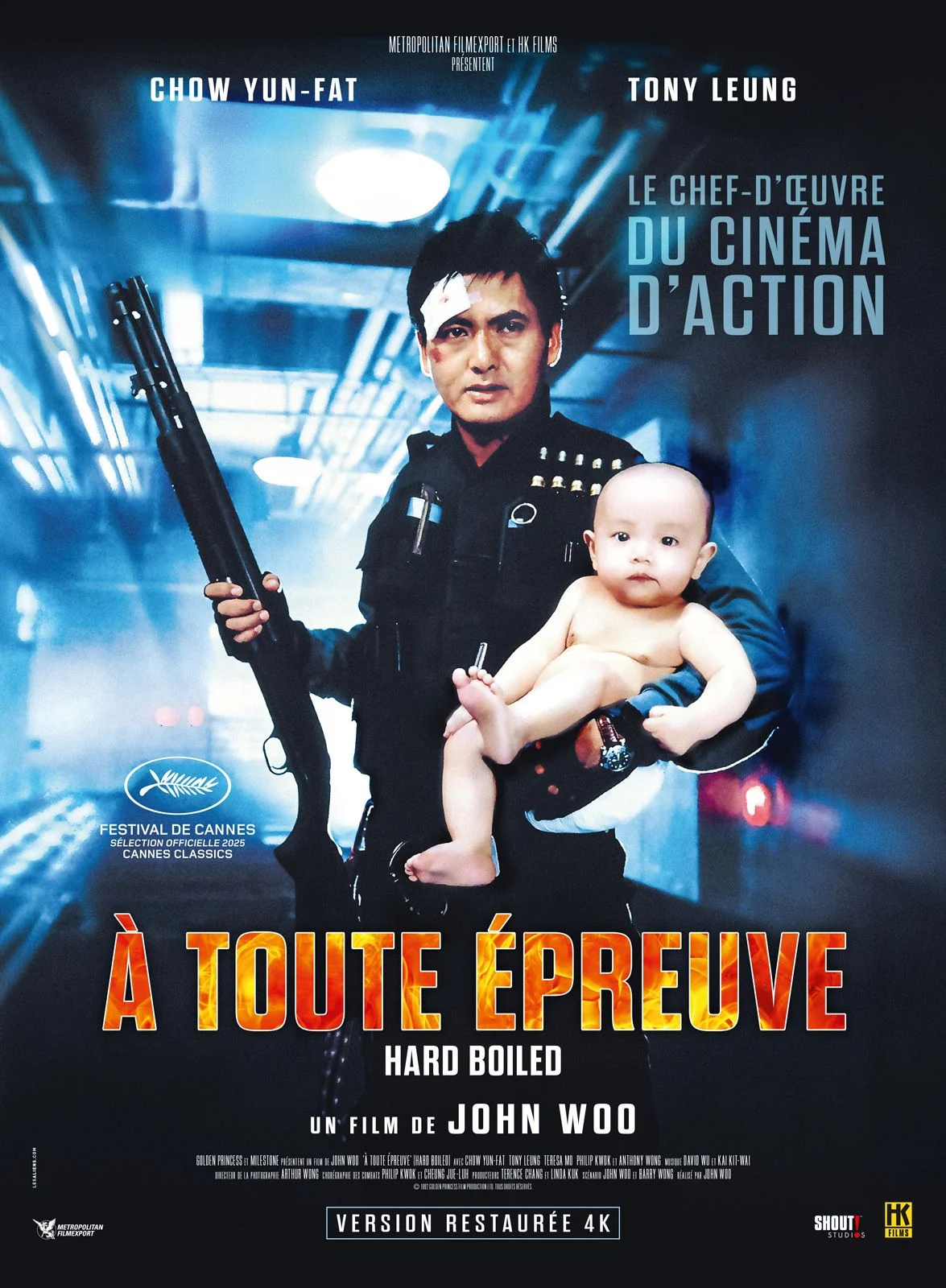
Hard Boiled (1992)
Director: John Woo.
Starring: Chow Yun-fat (Inspector “Tequila” Yuen), Tony Leung Chiu-wai (Alan, an undercover cop), Anthony Wong (Johnny Wong).
Synopsis: A fearless police officer takes on a network of arms traffickers, sparking a bloody battle in the streets of Hong Kong.
Why watch it? A masterpiece of Hong Kong action cinema, masterfully directed, and John Woo’s last film before he moved to Hollywood.
Fun fact: The opening shootout was filmed in an old tea house in Hong Kong, which was demolished right after filming wrapped. In the first draft of the screenplay, Tony Leung’s character was a psychopathic killer who poisoned baby food. John Woo makes a cameo appearance as a bartender.
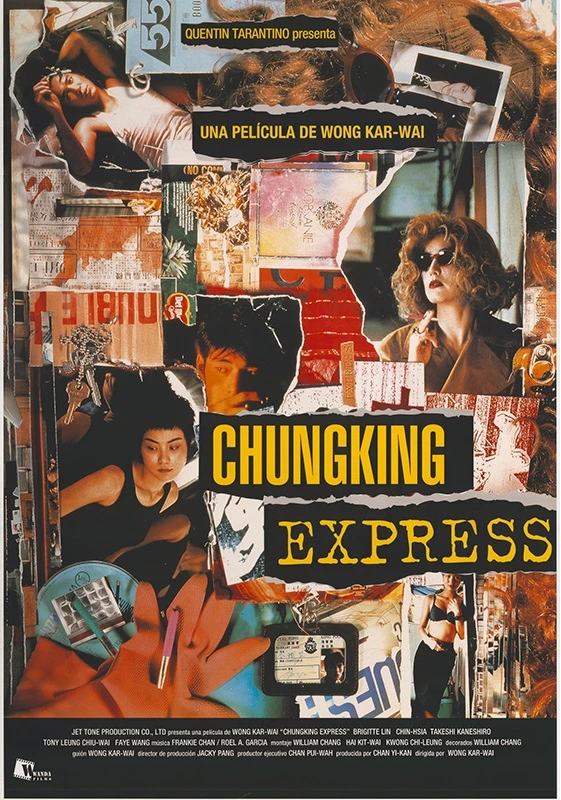
Chungking Express (1994)
Director: Wong Kar-wai.
Starring: Takeshi Kaneshiro (Police Officer No. 223), Tony Leung Chiu-wai (Police Officer No. 663), Faye Wong (Faye), Brigitte Lin (the woman with the blonde wig).
Synopsis: Two lonely police officers wander through Hong Kong, each dealing with a breakup and unexpected new encounters.
Why see it? A poetic and vibrant film that captures loneliness, love, and the serendipity of city life.
Note: Wong Kar-wai shot the film quickly and on a low budget during a break in post-production on *Ashes of Time*. A third story, which was ultimately scrapped, would become *Fallen Angels* (1995). In the United States, it was released in 1996 through Rolling Thunder, Quentin Tarantino’s distribution company.
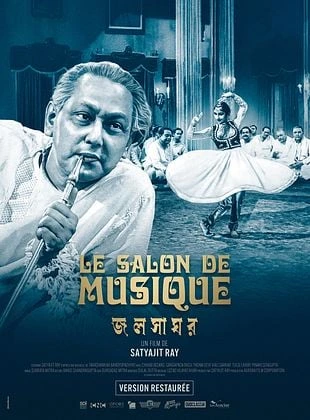
The Music Room (Jalsaghar) (1958)
Director: Satyajit Ray.
Starring: Chhabi Biswas (Biswambhar Roy), Gangapada Basu (Mahim Ganguly), Padma Devi (Mahamaya, his wife).
Synopsis: A fallen Bengali aristocrat devotes his last remaining resources to organizing concerts, refusing to accept that his world has come to an end.
Why see it? A melancholic film about decline, pride, and the power of music.
Note: After the failure of *The Invincible*, Satyajit Ray sought a box-office hit: he adapted a popular short story by Tarashankar Bandyopadhyay and brought together some of the biggest names in Indian classical music, including Ustad Vilayat Khan as composer, the singer Begum Akhtar, and Bismillah Khan on the shehnai. Filming took place at the Nimtita Palace in West Bengal, but the drawing room—deemed too modest—was reconstructed in a studio in Calcutta. The film was not released in France until 1981.
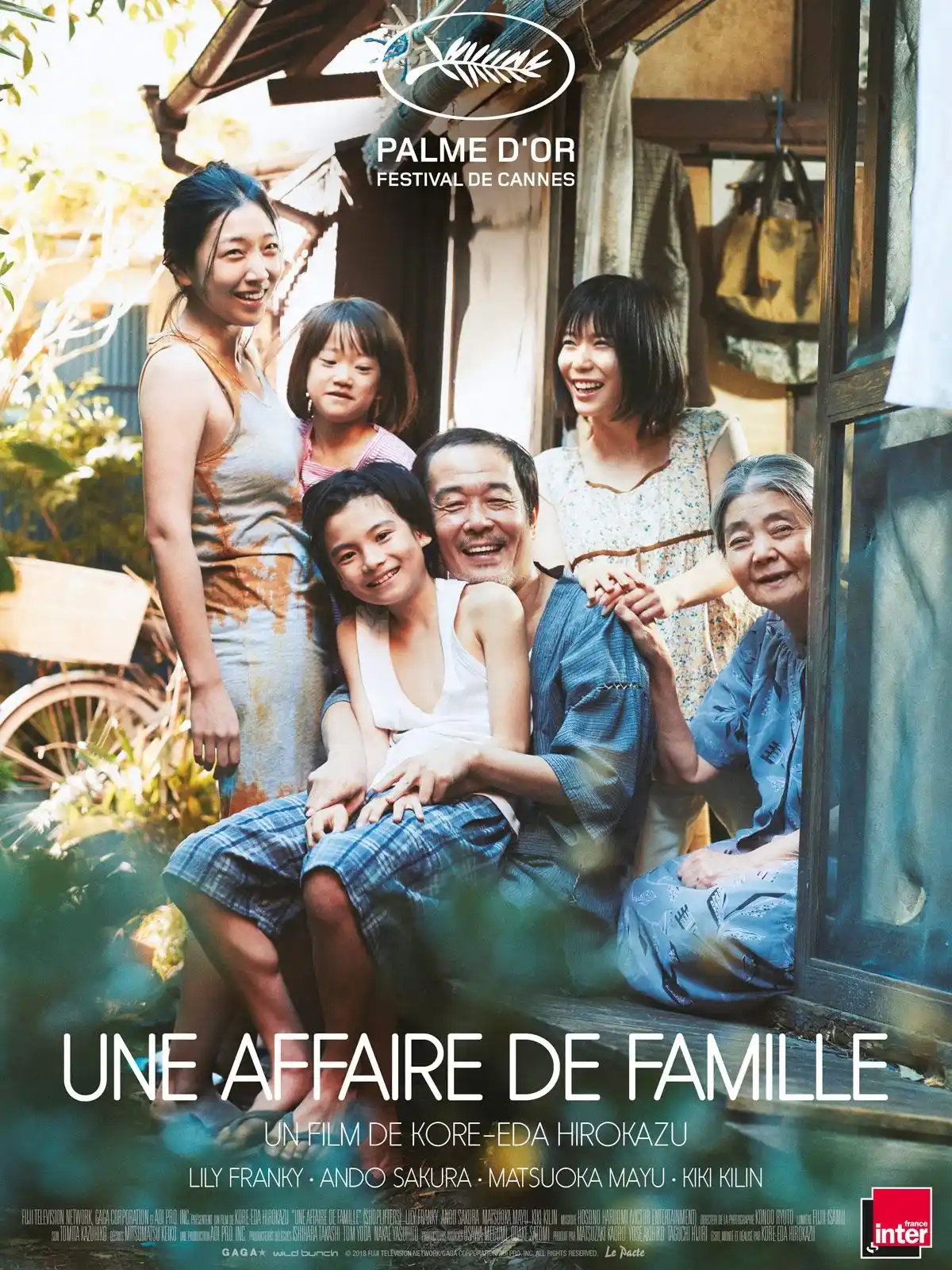
A Family Affair (Manbiki kazoku) (2018)
Director: Hirokazu Kore-eda.
Starring: Lily Franky (Osamu Shibata), Sakura Andō (Nobuyo Shibata), Kirin Kiki (Hatsue Shibata).
Synopsis: A family that makes a living through petty theft takes in a little girl abandoned by her parents, upsetting the fragile balance of their daily lives.
Why see it? Winner of the 2018 Palme d’Or, a poignant drama that explores the bonds of blood and the meaning of family.
Note: This is the first Japanese film to win the Palme d’Or since Shōhei Imamura’s *The Eel* (1997). Kirin Kiki, a frequent collaborator with Kore-eda who passed away in September 2018, plays one of her final roles in the film. The film was also nominated for the Oscar for Best International Feature Film in 2019.
Where should I start?
To discover the classics: *Rashômon*, followed by *The Music Room*.
For South Korean cinema: *Memories of Murder*, followed by *Peppermint Candy*.
For Hong Kong: *In the Line of Fire* for action, *Chungking Express* for romance.
For today's Japan: *A Family Affair*, followed by *Dark Water* for a little thrill.
Frequently Asked Questions
What was the first Asian film to win the Oscar for Best Picture?
"Parasite" by South Korean director Bong Joon-ho, released in 2020, a few months after it won the Palme d’Or. It is also the first foreign-language film to win in this category. By the same director, see "Memories of Murder " (2003).
What is the Rashomon effect?
The term used to describe situations in which several people give conflicting accounts of the same event. It comes from Akira Kurosawa’s *Rashômon* (1950), in which the bandit, the wife, the dead samurai (through the voice of a medium), and a woodcutter each recount the crime in their own way.
What is J-horror?
Japanese horror cinema, which sparked a global craze in the late 1990s with Hideo Nakata’s *Ring* (1998). It favors suggestion over gory effects and draws on traditional ghost stories, known as *kaidan*. *Dark Water*, also by Nakata, is a masterpiece of the genre; Hollywood made a remake of it in 2005.
Which Japanese films have won the Palme d'Or?
Four since the Palme d’Or was established in 1955: Akira Kurosawa’s *Kagemusha* (1980), Shōhei Imamura’s *The Ballad of Narayama* (1983) and *The Eel* (1997), and Hirokazu Kore-eda’s *Shoplifters* (2018). Before that, Teinosuke Kinugasa’s *The Gate of Hell* had won the Grand Prix in 1954.
Why aren't some highly anticipated movies included in this selection?
To avoid duplicates, each film appears on only one of our pages. Wong Kar-wai’s *Farewell My Concubine*, *Infernal Affairs*, and *Happy Together* are not included in this selection; you can find them in our Chinese films section. Kaneto Shindo’s *Onibaba* and Na Hong-jin’s *The Strangers* are in our horror films section.
See also: black-and-white · classics · contemporary · Italian · contemporary French · horror · Chinese · French series
Programs offered at ESRA Paris
The school offers post-baccalaureate Programs in all three audiovisual fields. These Programs award a state-approved degree recognized by the French Ministry of Higher Education and Research.
Producer, Director, Editor
Audiovisual, Sound Systems, Music,
Radio, Video Games
Animation, 3D Compositing & VFX, Management & Production, Modeling