Contemporary cinema is constantly reinventing itself, transcending borders and genres. (Re)discover a selection of the most memorable international films from the past thirty years—films you should see at least once in your lifetime. And if they inspire you to create something of your own, check out our Film & Television Programs .
Three Key Points for Understanding Contemporary Cinema
American Independent Cinema (Late 1980s–1990s)
In 1989, *Sex, Lies, and Videotape* by 26-year-old Steven Soderbergh won the Audience Award at Robert Redford’s film festival in Utah, followed by the Palme d’Or. That festival, renamed Sundance in 1991, also launched the career of Quentin Tarantino. Distributed by Miramax, *Pulp Fiction* became the studio’s first film to gross over $100 million in North America in 1994.
Dogma 95
On March 13, 1995, in Paris, Lars von Trier and Thomas Vinterberg issued a manifesto in the form of a “vow of chastity”: filming on location, handheld camera, no added music. *Festen* (1998) was the first official film to follow these guidelines. *Breaking the Waves*, shot shortly afterward, used a handheld camera but did not follow all the rules.
The Rise of Independent Studios (2010s–2020s)
Founded in 2012 by Daniel Katz, David Fenkel, and John Hodges, the A24 studio has become a leading force in American auteur cinema. Its first production, *Moonlight*, won the Oscar for Best Picture in 2017. *Everything Everywhere All at Once* followed suit in 2023, winning a total of seven Oscars.
Must-see contemporary films

*The Piano* (1993)
Director: Jane Campion.
Starring: Holly Hunter (Ada McGrath), Harvey Keitel (George Baines), Sam Neill (Alisdair Stewart), Anna Paquin (Flora).
Synopsis: A young woman who cannot speak moves to New Zealand with her daughter and finds in her piano a way to express a forbidden passion.
Why see it? The first Palme d’Or awarded to a female director; a spellbinding and sensual drama about love, freedom, and the power of art.
Note: The Palme d’Or was shared with Chen Kaige’s *Farewell My Concubine *. Anna Paquin won the Oscar for Best Supporting Actress at age 11; only Tatum O’Neal had won it at a younger age. Holly Hunter took piano lessons so she could play the pieces composed by Michael Nyman herself.

Pulp Fiction (1994)
Director: Quentin Tarantino.
Starring: John Travolta (Vincent Vega), Samuel L. Jackson (Jules Winnfield), Uma Thurman (Mia Wallace), Bruce Willis (Butch Coolidge).
Synopsis: The intertwined fates of gangsters, a boxer, and a pair of robbers become entangled in a whirlwind of violence and dark humor.
Why watch it? A Palme d’Or winner and cult classic with a unique style that revolutionized 1990s cinema with its fragmented narrative.
Note: The film won the Palme d’Or, awarded by a jury chaired by Clint Eastwood. Made on a budget of approximately $8 million, it was the first film distributed by Miramax to gross over $100 million in North America. Nominated for seven Oscars, it won only the award for Best Original Screenplay, which it shared with Roger Avary.

Breaking the Waves (1996)
Director: Lars von Trier.
Starring: Emily Watson (Bess McNeill), Stellan Skarsgård (Jan Nyman), Katrin Cartlidge (Dodo McNeill).
Synopsis: A deeply religious young woman devotes herself body and soul to caring for her husband, who was left paralyzed after an accident.
Why see it? A radical and deeply moving drama about faith, unconditional love, and redemption—winner of the Grand Prix at Cannes.
Note: This was Emily Watson’s first film role; she was cast after Helena Bonham Carter dropped out and was immediately nominated for an Oscar for Best Actress. Filmed entirely with a handheld camera in western Scotland and in a studio in Denmark, the film is divided into chapters separated by digital paintings by artist Per Kirkeby. It opens the “Heart of Gold” trilogy, which also includes *The Idiots * and *Dancer in the Dark*.
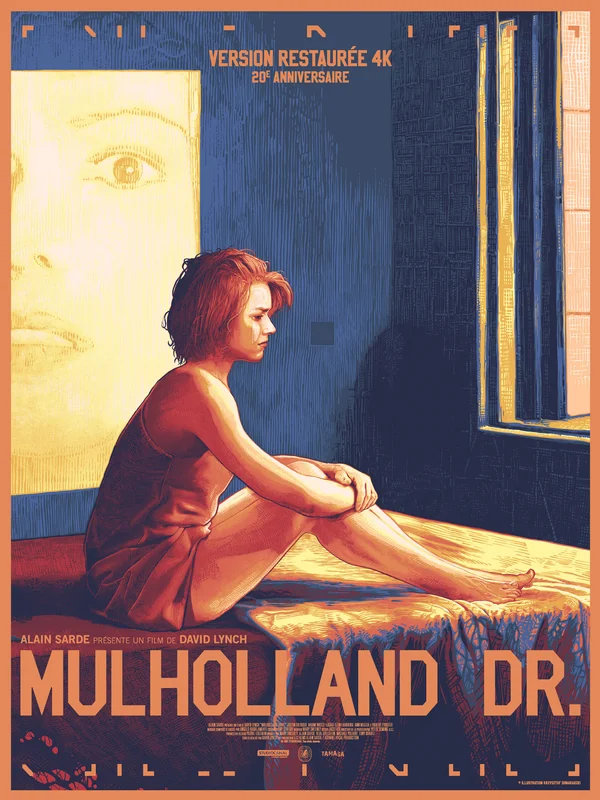
Mulholland Drive (2001)
Director: David Lynch.
Starring: Naomi Watts (Betty Elms / Diane Selwyn), Laura Harring (Rita / Camilla Rhodes), Justin Theroux (Adam Kesher).
Synopsis: A young woman wakes up with amnesia after a car accident on Mulholland Drive, above Los Angeles. Betty, an aspiring actress who has just arrived in Hollywood, takes her in and helps her recover her identity. Meanwhile, a director is forced to work with an actress chosen by producers he doesn’t know. The storylines intertwine, then the film takes a sudden turn, and everything we thought we understood takes on a new meaning.
Why watch it? Because it’s the film that has had the greatest impact on cinema this century, and critics around the world agree: it was named the best film of the 2000s by *Cahiers du cinéma*, ranked first in the BBC’s poll on the 21st century, and eighth of all time in *Sight and Sound*’s 2022 ranking. For a student, it’s a masterclass in itself: the narrative structure, which requires the viewer to rewind the film once the credits have rolled; the sound design and music by Angelo Badalamenti; the direction of the actors, featuring the breakout performance of Naomi Watts; and the most lucid portrait of Hollywood ever filmed from the inside. It also shows that a project can be reborn from failure: originating from a TV pilot rejected by ABC, it became a feature film thanks to French funding.
Note: Originally filmed in 1999 as a pilot for an ABC series, which turned it down. StudioCanal financed the additional scenes that turned it into a feature film. Winner of the Best Director Award at the 2001 Cannes Film Festival, tied with Joel Coen for *The Barber*. Nominated for the 2002 Academy Award for Best Director. Winner of the 2002 César Award for Best Foreign Film. Runtime: 2 hours 26 minutes.
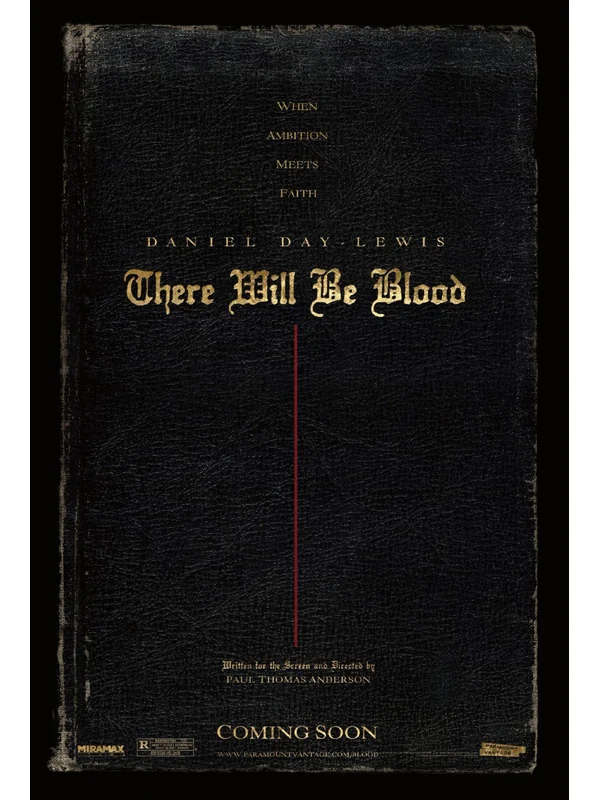
There Will Be Blood (2007)
Director: Paul Thomas Anderson.
Starring: Daniel Day-Lewis (Daniel Plainview), Paul Dano (Paul and Eli Sunday), Dillon Freasier (H.W. Plainview as a child).
Synopsis: In the early 20th century, an oil prospector builds a fortune in California, destroying whatever remains of his humanity.
Why see it? A dark portrait of capitalism, carried by a phenomenal Daniel Day-Lewis, winner of the Oscar for Best Actor.
Note: Loosely adapted from Upton Sinclair’s novel *Oil! * (1927). Hired to play Paul Sunday, Paul Dano also took on the role of his twin, Eli, two weeks after filming began, with only four days to prepare. The film was shot in Marfa, Texas, at the same time as *No Country for Old Men*: smoke from a test burn on a derrick caused the Coen brothers to lose a day of filming.
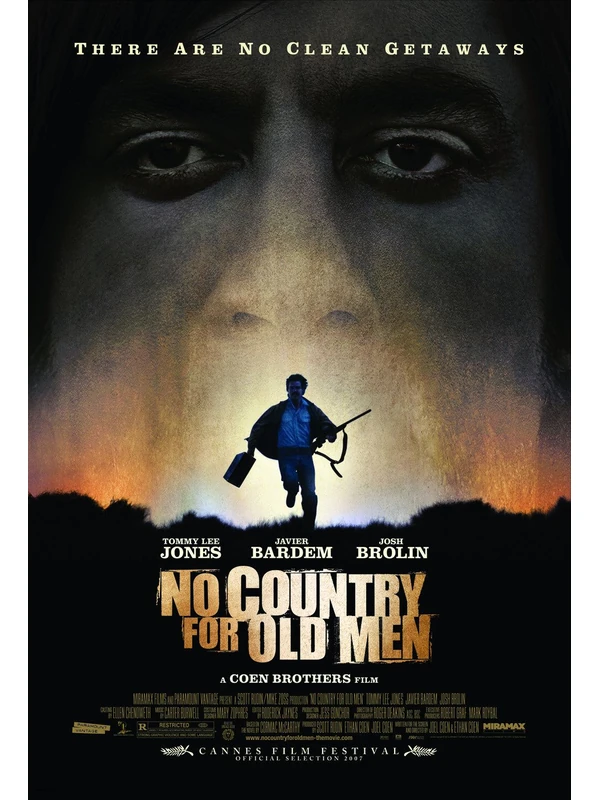
No Country for Old Men (2007)
Directors: Joel and Ethan Coen.
Starring: Josh Brolin (Llewelyn Moss), Javier Bardem (Anton Chigurh), Tommy Lee Jones (Sheriff Ed Tom Bell).
Synopsis: A hunter stumbles upon a suitcase full of cash abandoned near the scene of a massacre; a methodical killer sets out to hunt him down.
Why watch it? A gritty, relentless thriller, Oscar winner for Best Picture, and a meditation on evil and chance.
Note: Based on the novel by Cormac McCarthy (2005). Javier Bardem became the first Spanish actor to win an Oscar. Carter Burwell’s score lasts only about fifteen minutes, part of which is featured during the end credits. The Coen brothers, who edit their own films, were nominated for editing under their shared pseudonym, Roderick Jaynes.

Gomorrah (2008)
Director: Matteo Garrone.
Starring: Toni Servillo (Franco), Gianfelice Imparato (Don Ciro), Salvatore Abruzzese (Totò).
Synopsis: In Naples, several lives intertwine at the heart of the Camorra, the mafia that is corroding Italian society.
Why watch it? A realistic and hard-hitting film that lays bare the inner workings of organized crime.
Note: Adapted from Roberto Saviano’s investigative book, published in Italy in 2006; the author has been living under police protection since October of that year. Filmed in the suburbs of Naples, particularly in Scampia, with many non-professional actors. Several of them were later arrested for crimes linked to the Camorra.
Want to work behind the camera? ESRA offers a three-year film program for students who have completed high school. Come discover the school at our open house events or learn more about the ESRA Film program.

The Social Network (2010)
Director: David Fincher.
Starring: Jesse Eisenberg (Mark Zuckerberg), Andrew Garfield (Eduardo Saverin), Justin Timberlake (Sean Parker).
Synopsis: As a Harvard student, Mark Zuckerberg creates Facebook and watches as his invention changes the world while ruining his friendships.
Why see it? A fascinating story about ambition, power, and the dark side of the digital revolution.
Note: Screenplay by Aaron Sorkin, based on Ben Mezrich’s *The Accidental Billionaires* (2009). The opening scene between Zuckerberg and his girlfriend took 99 takes. Armie Hammer plays both Winklevoss twins: his face was digitally superimposed onto that of his body double, Josh Pence.

Drive (2011)
Director: Nicolas Winding Refn.
Starring: Ryan Gosling (the driver), Carey Mulligan (Irene), Albert Brooks (Bernie Rose), Bryan Cranston (Shannon).
Synopsis: A movie stuntman leads a double life as a driver for criminals, until a chance encounter turns his life upside down.
Why see it? A stylized and spellbinding crime thriller that blends violence, romance, and a hypnotic aesthetic; winner of the Best Director Award at Cannes.
Note: Based on the novel by James Sallis (2005). For the first time, Ryan Gosling was free to choose his own director and selected Nicolas Winding Refn. The soundtrack combines music by Cliff Martinez, who was brought on board at the last minute, with electronic tracks such as “Nightcall” by Kavinsky and “A Real Hero” by College.
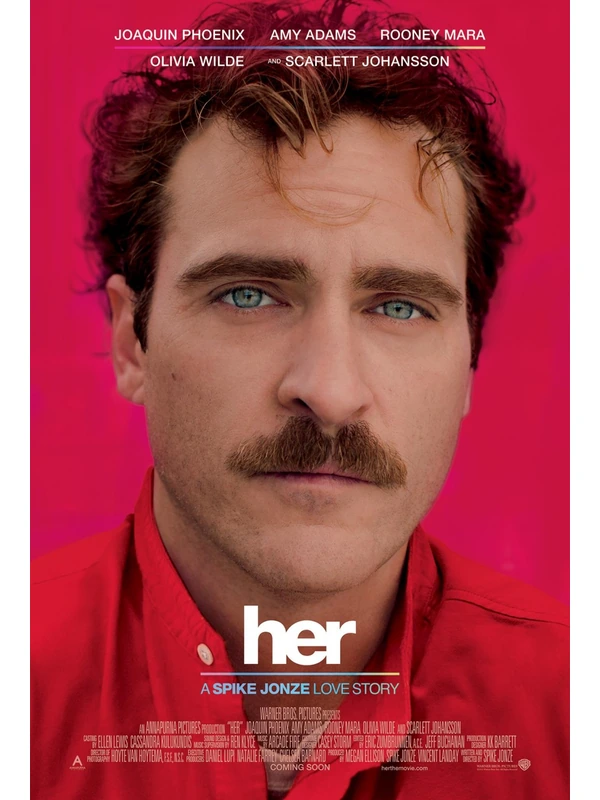
Her (2013)
Director: Spike Jonze.
Starring: Joaquin Phoenix (Theodore Twombly), Scarlett Johansson (Samantha (voice)), Amy Adams (Amy).
Synopsis: In the near future, a lonely man falls in love with an operating system that has a sensitive voice and intelligence.
Why watch it? Oscar winner for Best Original Screenplay, a melancholic and visionary sci-fi romance.
Note: This was the first screenplay written solely by Spike Jonze, inspired by an article on a website where users could chat via instant messaging with an artificial intelligence. Samantha Morton originally provided the voice for Samantha, before being replaced by Scarlett Johansson during post-production; this voice-only role earned Johansson the Best Actress Award at the Rome Film Festival. The futuristic Los Angeles was partially filmed in Shanghai.
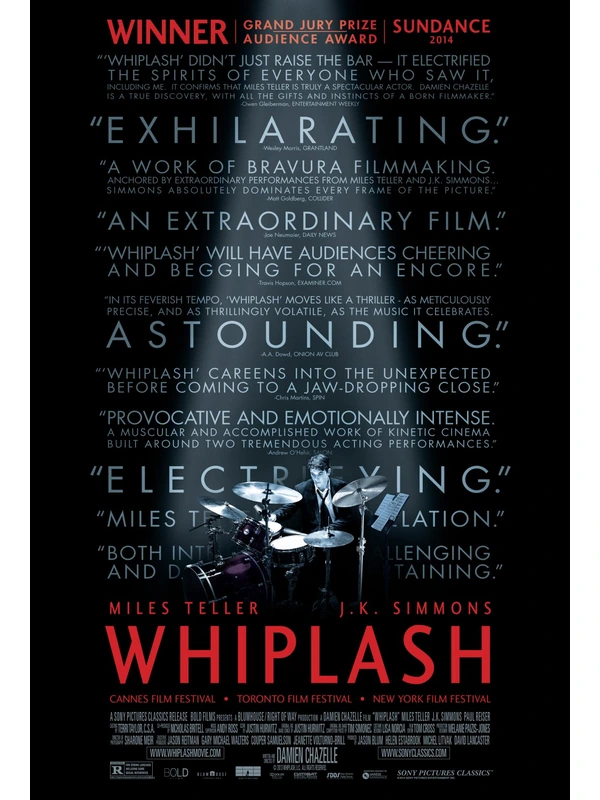
Whiplash (2014)
Director: Damien Chazelle.
Starring: Miles Teller (Andrew Neiman), J. K. Simmons (Terence Fletcher), Paul Reiser (Jim Neiman).
Synopsis: A gifted young jazz drummer submits to the tyrannical methods of a teacher who will stop at nothing to bring out his genius.
Why see it? Three Oscars; an electrifying and harrowing behind-closed-doors drama about excellence and its dark side.
Note: Before the feature film, Damien Chazelle adapted fifteen pages of his screenplay into a short film, already starring J. K. Simmons: the short film won an award at Sundance in 2013 and helped secure funding for the feature film. A year later, *Whiplash*, made on a budget of $3.3 million, won the Grand Jury Prize and the Audience Award at Sundance. The title is taken from a song by Hank Levy featured in the film.
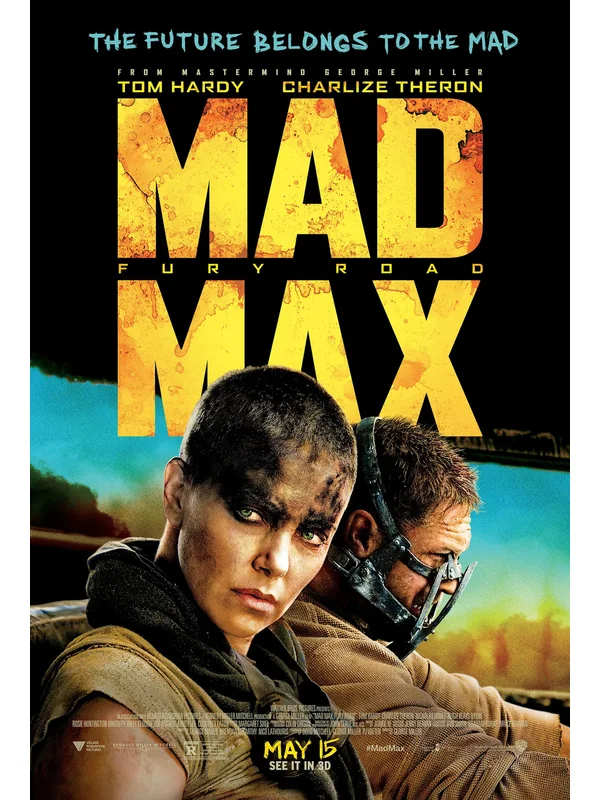
Mad Max: Fury Road (2015)
Director: George Miller.
Starring: Tom Hardy (Max Rockatansky), Charlize Theron (Furiosa), Nicholas Hoult (Nux), Hugh Keays-Byrne (Immortan Joe).
Synopsis: In a post-apocalyptic desert, a warrior and a survivor flee from a tyrant leading a convoy racing at full speed.
Why watch it? The pinnacle of action films, a mechanically choreographed spectacle of wild ingenuity, and six technical Oscars.
Note: As early as 1987, George Miller envisioned a *Mad Max* consisting almost entirely of chase scenes; filming didn’t begin until 2012 in Namibia because heavy rains had caused the Broken Hill desert in Australia to bloom. According to Miller, 90% of the effects were achieved on set, without CGI. His wife, Margaret Sixel, edited the film from 480 hours of raw footage.
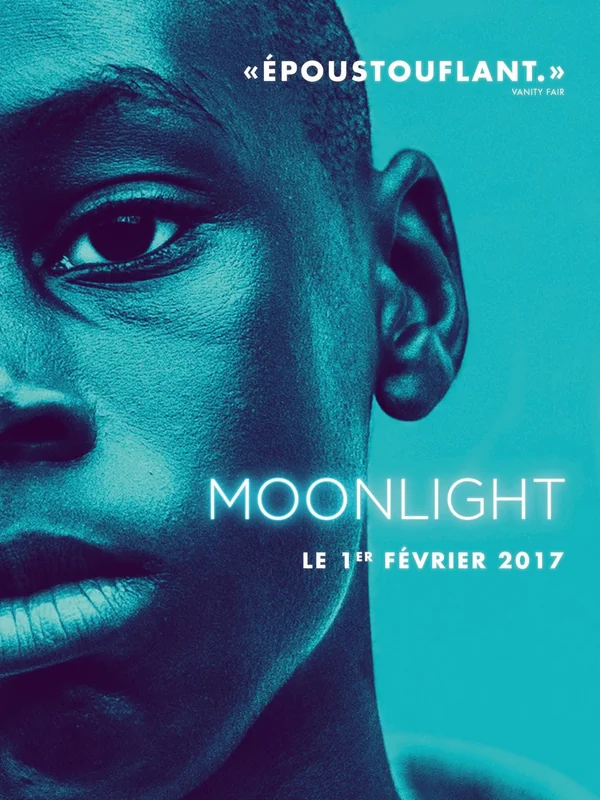
Moonlight (2016)
Director: Barry Jenkins.
Starring: Trevante Rhodes (adult Chiron), Mahershala Ali (Juan), Naomie Harris (Paula).
Synopsis: Across three stages of life, a young Black man from Miami searches for his identity, caught between silence, desire, and the violence of the world.
Why see it? Winner of the Oscar for Best Picture, an intimate story of rare delicacy and beauty.
Note: Based on an unpublished play by Tarell Alvin McCraney, *In Moonlight Black Boys Look Blue*. Filmed in 25 days in Liberty City, a neighborhood in Miami, for approximately $1.5 million; Barry Jenkins kept the three actors playing Chiron apart from one another until the end of filming. At the Oscars, *La La Land* was initially announced by mistake: *Moonlight* became the first LGBT film to win Best Picture, and Mahershala Ali became the first Muslim actor to win an Oscar.

Us (2019)
Director: Jordan Peele.
Starring: Lupita Nyong’o (Adelaide Wilson / Red), Winston Duke (Gabe Wilson), Elisabeth Moss (Kitty Tyler).
Synopsis: While on vacation, a family is confronted by their evil doubles, who emerge from the darkness to relentlessly hunt them down.
Why watch it? An original and chilling horror thriller about identity, fear, and social divisions.
Note: With $71.1 million, it set the record for the best opening weekend in history for an original horror film not based on an existing work. The film references Jeremiah 11:11 and alludes to the 1986 Hands Across America human chain. For Red’s raspy voice, Lupita Nyong’o drew inspiration from spasmodic dysphonia, a choice for which she was criticized by advocacy groups; she has since apologized.
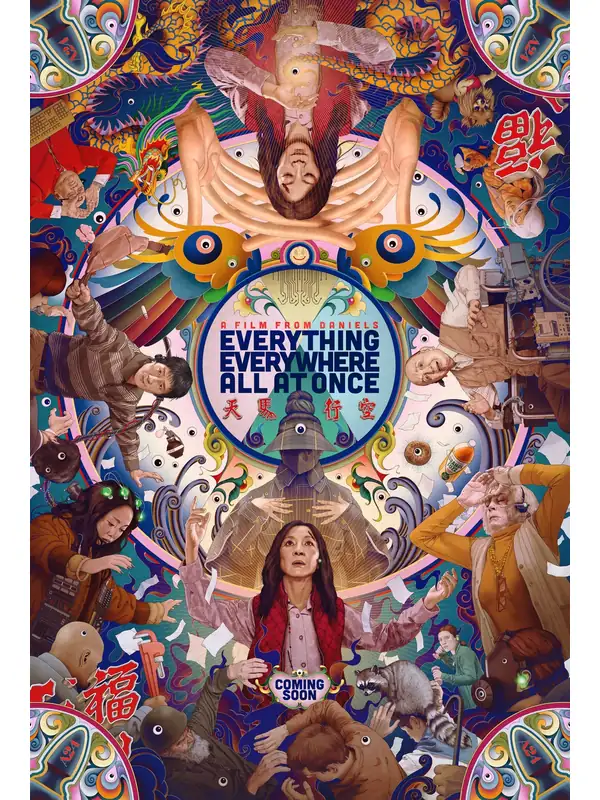
Everything Everywhere All at Once (2022)
Directors: Daniel Kwan and Daniel Scheinert.
Starring: Michelle Yeoh (Evelyn Wang), Ke Huy Quan (Waymond Wang), Stephanie Hsu (Joy Wang / Jobu Tupaki), Jamie Lee Curtis (Deirdre Beaubeirdre).
Synopsis: An overwhelmed laundromat manager discovers that she must save the multiverse by exploring the lives she could have lived.
Why see it? Seven Oscars—a wild and dizzying film that’s at once a comedy, an action movie, and a family drama.
Note: The screenplay was originally written for Jackie Chan, before the lead role was recast as a woman. Michelle Yeoh is the first Asian actress to win the Oscar for Best Actress. Ke Huy Quan, who played Half-Moon in *Indiana Jones and the Temple of Doom*, returned to the big screen twenty years after giving up acting and won the Oscar for Best Supporting Actor.
Where should I start?
To (re)discover the 1990s: *Pulp Fiction*, followed by *The Piano Lesson*.
For thriller fans: *No Country for Old Men * and *Drive*.
For a great action movie: *Mad Max: Fury Road*.
For the films with the most Oscars: *Everything Everywhere All at Once * with seven Oscars, followed by *Moonlight*.
Frequently Asked Questions
Who was the first woman to win the Palme d'Or?
Jane Campion, in 1993, for *The Piano*, tied with Chen Kaige’s *Farewell My Concubine *. Since then, only Julia Ducournau (*Titane*, 2021) and Justine Triet (*Anatomy of a Fall*, 2023) have followed in her footsteps.
Did *Pulp Fiction* win the Oscar for Best Picture?
No. Nominated seven times in 1995, *Pulp Fiction* won only the Oscar for Best Original Screenplay. The award for Best Picture went to *Forrest Gump* that year.
Why was *La La Land* announced instead of *Moonlight* at the 2017 Oscars?
Warren Beatty had been given the wrong envelope—the one for Best Actress. Faye Dunaway read out the title “La La Land” before the mistake was corrected on stage in favor of “Moonlight.”
Which movie from this list won the most Oscars?
"Everything Everywhere All at Once" won seven awards in 2023, including three of the four acting awards. " Mad Max: Fury Road " won six, all in technical categories.
Why aren't some highly anticipated movies included in this selection?
To avoid duplication, each film appears on only one of our pages. *Anatomy of a Fall* and *A Family Affair*, two recent Palme d’Or winners, are not included in this selection: you can find them in our contemporary French films and Asian films sections.
See also: black-and-white · classics · Asian · Italian · contemporary French · horror · Chinese · French series
Programs offered at ESRA Paris
The school offers post-baccalaureate Programs in all three audiovisual fields. These Programs award a state-approved degree recognized by the French Ministry of Higher Education and Research.
Producer, Director, Editor
Audiovisual, Sound Systems, Music,
Radio, Video Games
Animation, 3D Compositing & VFX, Management & Production, Modeling