Thrills guaranteed. From Gothic horror to the most modern genre films, (re)discover a selection of the most memorable horror films in the history of cinema—films you should see at least once in your life… if you dare. Want to learn how to create tension and fear on screen? Check out our Film & Television Programs .
Three Key Points for Understanding Horror Films
The Origins (1896–1931)
Georges Méliès filmed *Le Manoir du diable* in 1896, a three-minute short film often cited as the first horror film. German Expressionism then produced the genre’s first major works, *The Cabinet of Dr. Caligari* (1920) and *Nosferatu* (1922). In 1931, Universal launched its monster movie series with *Dracula* and *Frankenstein*.
The Golden Age of European Gothic (1957–1975)
In England, Hammer Films produced the color version of *Frankenstein Escapes* (1957), starring Peter Cushing and Christopher Lee. In Italy, Mario Bava directed *The Mask of the Demon* (1960), then laid the groundwork for the giallo genre with *The Girl Who Knew Too Much* (1963). Dario Argento took this bloody thriller to its peak with *Deep Red* (1975).
Modern Horror (since 1968)
George A. Romero’s *Night of the Living Dead* and Roman Polanski’s *Rosemary’s Baby*, both released in 1968, instilled fear in the modern world. *The Exorcist* (1973) became the first horror film to be nominated for an Oscar for Best Picture, and John Carpenter’s *Halloween* (1978) launched the slasher film craze.
Must-See Horror Movies
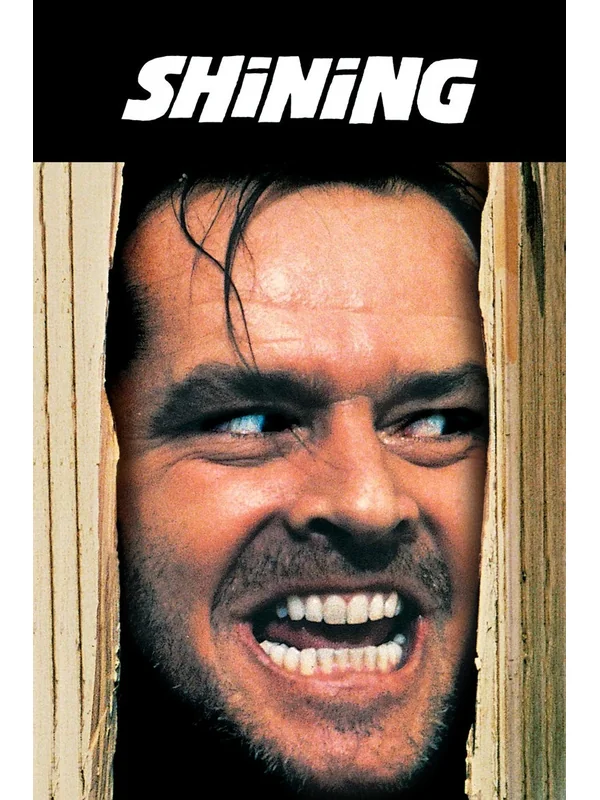
The Shining (1980)
Director: Stanley Kubrick.
Starring: Jack Nicholson (Jack Torrance), Shelley Duvall (Wendy Torrance), Danny Lloyd (Danny Torrance).
Synopsis: A writer who serves as the caretaker of a remote hotel during the winter gradually descends into madness, while his son senses the malevolent presences in the building.
Why watch it? The ultimate horror film, a chilling, labyrinthine nightmare—one of Kubrick’s greatest works.
Note: The exterior shots of the Overlook Hotel were filmed at Timberline Lodge on Mount Hood in Oregon; the interiors were reconstructed at Elstree Studios, north of London. Kubrick had a version of the typewritten page produced for each major language: in the French version, Jack types endlessly, “A ‘Here you go’ is better than two ‘You’ll get it.’” Stephen King criticized the liberties taken with his novel and wrote a more faithful adaptation himself, a miniseries that aired in 1997.
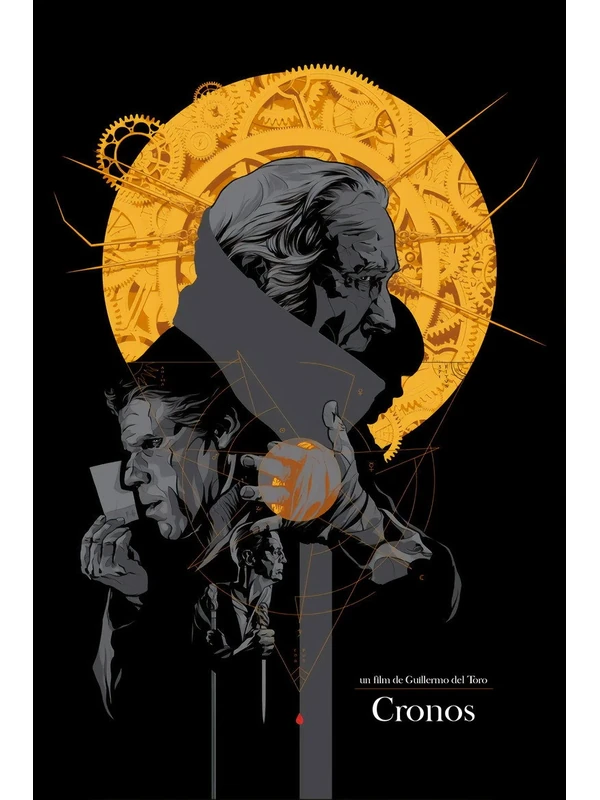
Cronos (1993)
Director: Guillermo del Toro.
Starring: Federico Luppi (Jesús Gris), Ron Perlman (Angel de la Guardia), Claudio Brook (Dieter de la Guardia).
Synopsis: An antique dealer discovers an ancient device that grants eternal life—at the cost of a newfound thirst.
Why watch it? The future Oscar winner’s spellbinding debut feature film, a fantastical and melancholic tale.
Note: To finance the film, Guillermo del Toro started his own special makeup effects company. This was his first collaboration with Ron Perlman, who would later play Hellboy. The film won nine Ariel Awards—the Mexican equivalent of the Oscars—and went on to win the Grand Prize at Critics’ Week in Cannes.
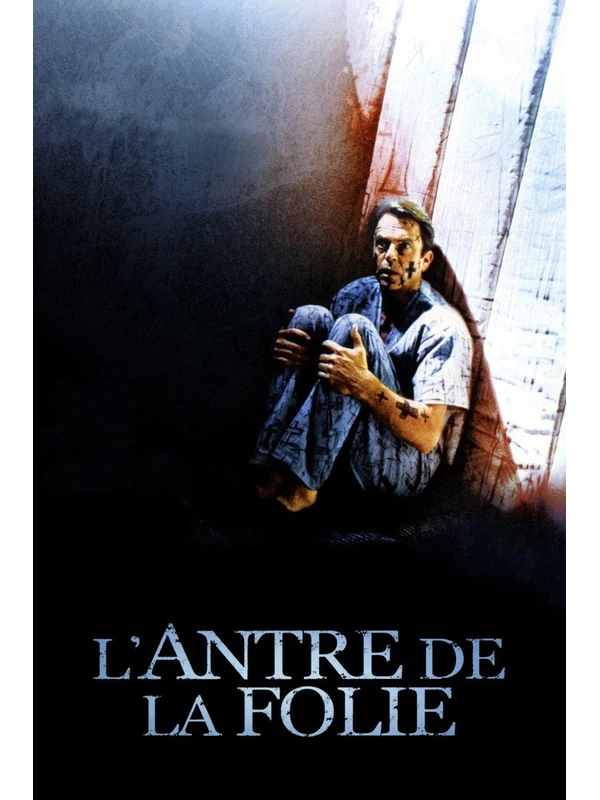
In the Mouth of Madness (1994)
Director: John Carpenter.
Starring: Sam Neill (John Trent), Jürgen Prochnow (Sutter Cane), Julie Carmen (Linda Styles).
Synopsis: An investigator searches for a missing horror best-selling author and finds himself plunged into a nightmare where fiction and reality blur.
Why watch it? A Lovecraftian nightmare—one of Carpenter’s wildest and most underrated films.
Note: The final installment of Carpenter’s “Apocalypse trilogy,” following *The Thing* (1982) and *Prince of Darkness* (1987). Unable to secure Metallica’s “Enter Sandman” for the credits, Carpenter wrote a theme in the same vein, performed on guitar by Dave Davies of The Kinks. Although a box-office flop, the film still made it into Cahiers du cinéma’s top 10 list for 1995.
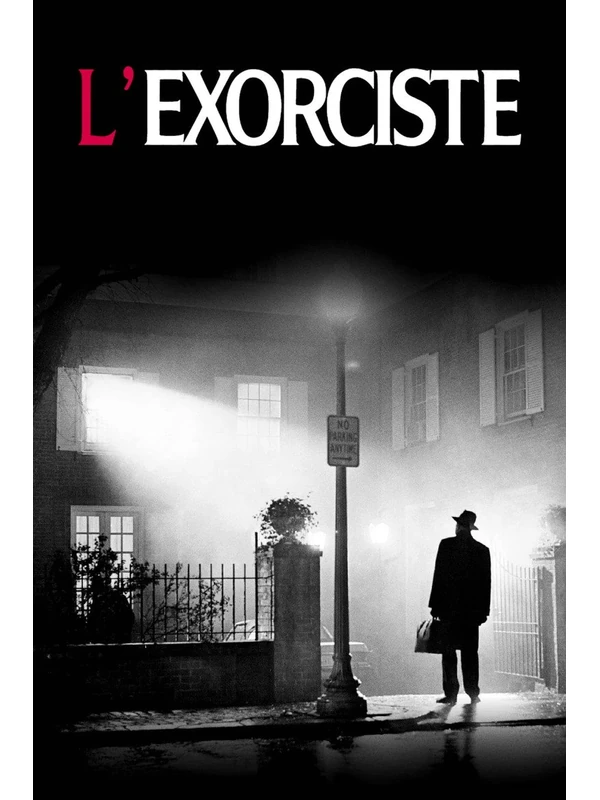
The Exorcist (1973)
Director: William Friedkin.
Starring: Ellen Burstyn (Chris MacNeil), Linda Blair (Regan MacNeil), Max von Sydow (Father Merrin).
Synopsis: An actress's daughter is possessed by a demonic entity; two priests attempt an exorcism.
Why watch it? The most influential horror film in history, unmatched in its ability to terrify.
Fun fact: The first horror film to be nominated for an Oscar for Best Picture, with a total of ten nominations. To make the actors’ breath visible, the set for Regan’s bedroom was cooled to -29 °C. The demon’s voice belongs to actress Mercedes McCambridge, who was initially omitted from the credits.
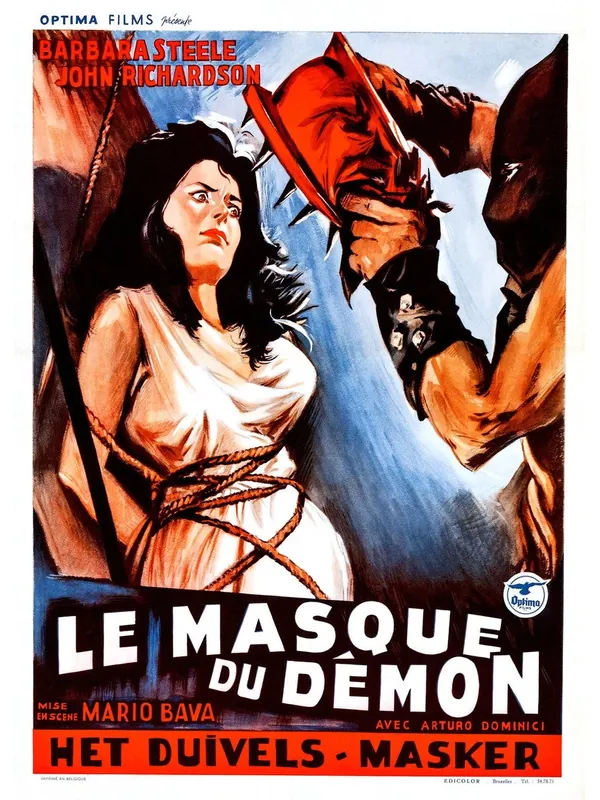
The Mask of the Demon (La maschera del demonio) (1960)
Director: Mario Bava.
Starring: Barbara Steele (Asa and Katia Vajda), John Richardson (Dr. Andrej Gorobec), Andrea Checchi (Dr. Kruvajan).
Synopsis: A tortured witch returns from the dead to take revenge on the descendants of her tormentors.
Why see it? A seminal Gothic masterpiece of mesmerizing visual beauty.
Note: Renowned cinematographer Mario Bava, at age 46, made his official directorial debut with this film, loosely based on Gogol’s short story *Vij* (1835). Deemed too violent, the film was denied a visa in the United Kingdom, where it was not released until 1968, in a cut version. It turned Barbara Steele into a horror icon, and Tim Burton drew inspiration from it for *Sleepy Hollow*.
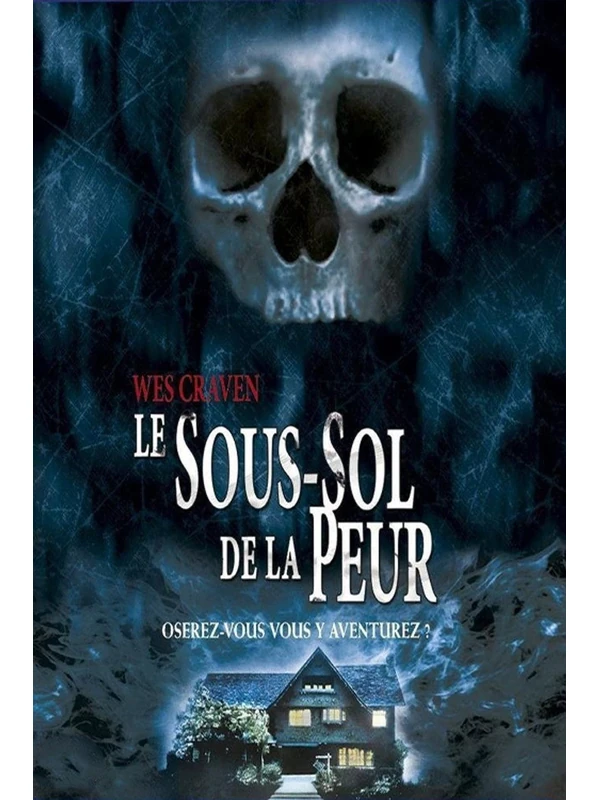
The People Under the Stairs (1991)
Director: Wes Craven.
Starring: Brandon Adams (Poindexter “Fool” Williams), Everett McGill (“Daddy”), Wendy Robie (“Mommy”).
Synopsis: A child from the ghetto breaks into the home of some monstrous homeowners who are holding children captive in their basement.
Why see it? A fierce and political urban tale—one of Craven’s most delightful films.
Note: Wes Craven drew inspiration from a real-life incident in Los Angeles in the late 1970s: burglars had inadvertently led the police to children who had been locked up by their parents. The couple who locked the children away is played by Everett McGill and Wendy Robie, who had already played husband and wife in *Twin Peaks*. Released just after Halloween 1991, the film topped the U.S. box office in its opening weekend.
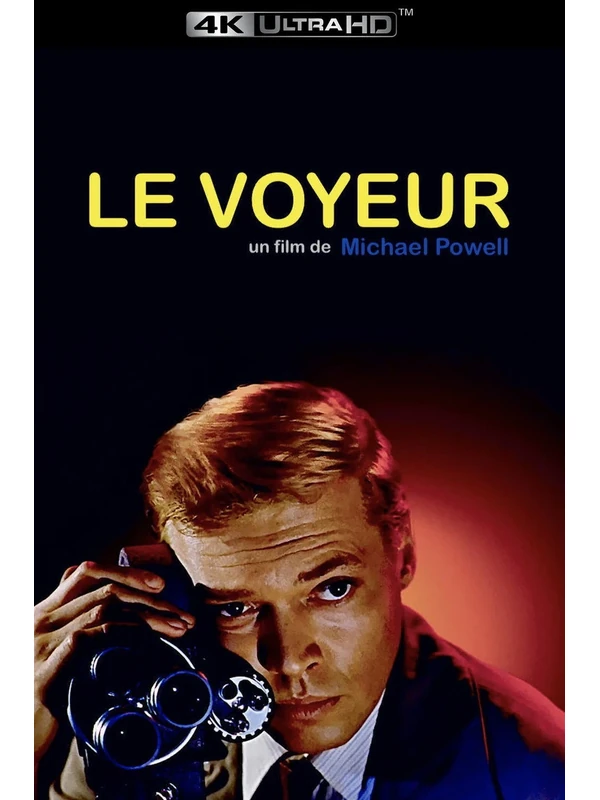
The Peeping Tom (1960)
Director: Michael Powell.
Starring: Carl Boehm (Karlheinz Böhm) (Mark Lewis), Anna Massey (Helen Stephens), Moira Shearer (Vivian).
Synopsis: A shy camera assistant films the agony of the women he murders, in order to capture the very expression of fear.
Why watch it? A film that was maligned upon its release, it has since become a mind-bending exploration of the gaze and cinema.
Note: Screenwriter Leo Marks had been a cryptographer during World War II. Michael Powell plays Mark’s father himself in the home movies, and his son Columba plays Mark as a child. Released in London two months before *Psycho*, the film was savaged by British critics and derailed Powell’s career in England; Martin Scorsese helped restore his reputation in the late 1970s.
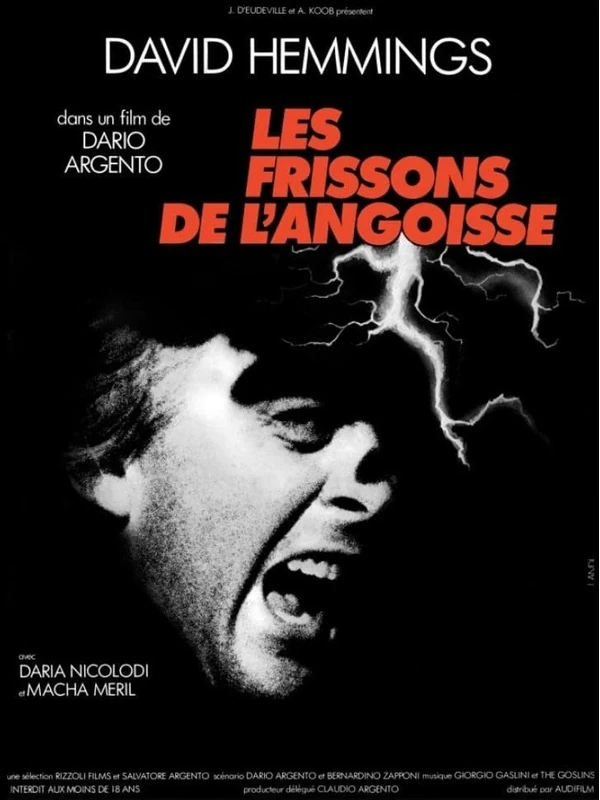
Deep Red (Profondo rosso) (1975)
Director: Dario Argento.
Starring: David Hemmings (Marcus Daly), Daria Nicolodi (Gianna Brezzi), Gabriele Lavia (Carlo).
Synopsis: After witnessing a murder, a pianist launches his own investigation and comes dangerously close to an elusive killer.
Why watch it? Giallo at its best, with flamboyant visuals and a soundtrack by Goblin.
Note: After initially considering Pink Floyd, Dario Argento entrusted most of the film’s score to the progressive rock band Goblin. The killer’s black-gloved hands, shown in close-up, are Argento’s own. The “villa of the screaming child” is Villa Scott in Turin, where most of the film was shot.
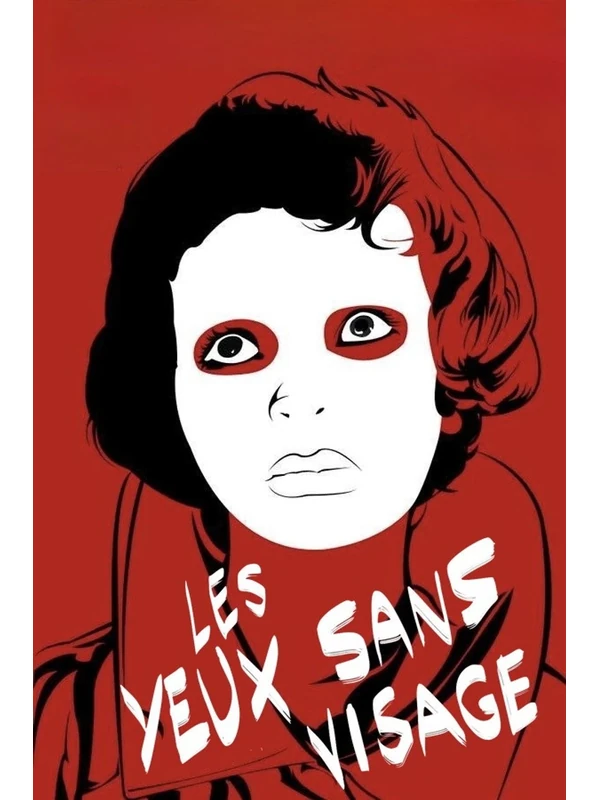
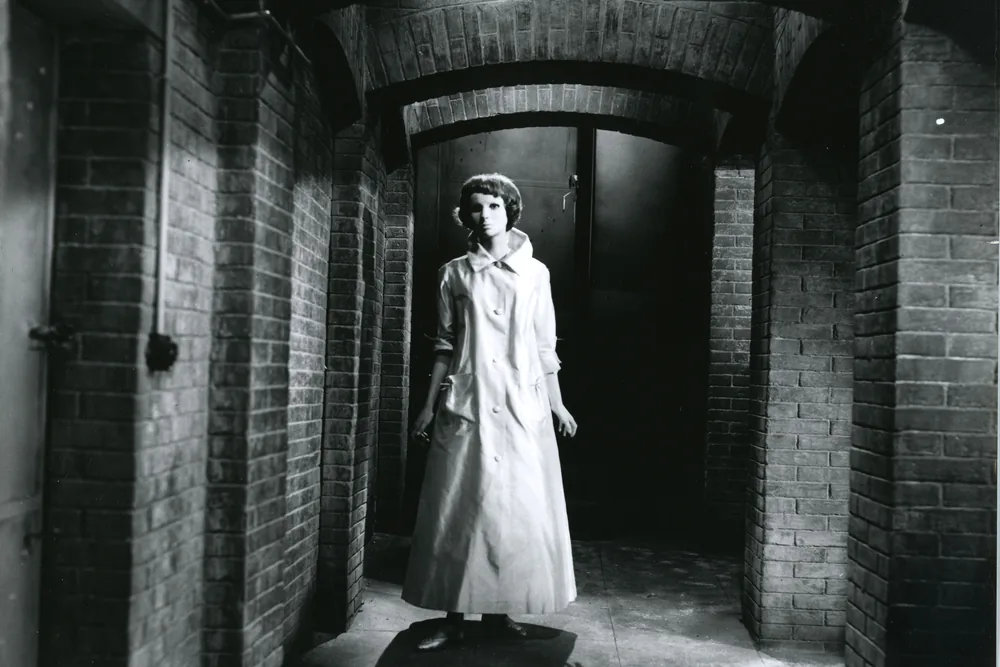
Eyes Without a Face (1960)
Director: Georges Franju.
Starring: Pierre Brasseur (Dr. Génessier), Édith Scob (Christiane), Alida Valli (Louise).
Synopsis: A surgeon abducts young women in an attempt to give his disfigured daughter a new face.
Why watch it? A horror poem of strange gentleness and unique formal elegance.
Note: Based on a novel by Jean Redon, adapted with Boileau-Narcejac and Claude Sautet; music by Maurice Jarre. The producer asked Franju to tone down the gore for French censors, spare the animals for British censors, and avoid the mad scientist trope for German censors. At the 1960 Edinburgh Film Festival, seven audience members fainted; Pedro Almodóvar recalled this incident in *La piel que habito* (2011).
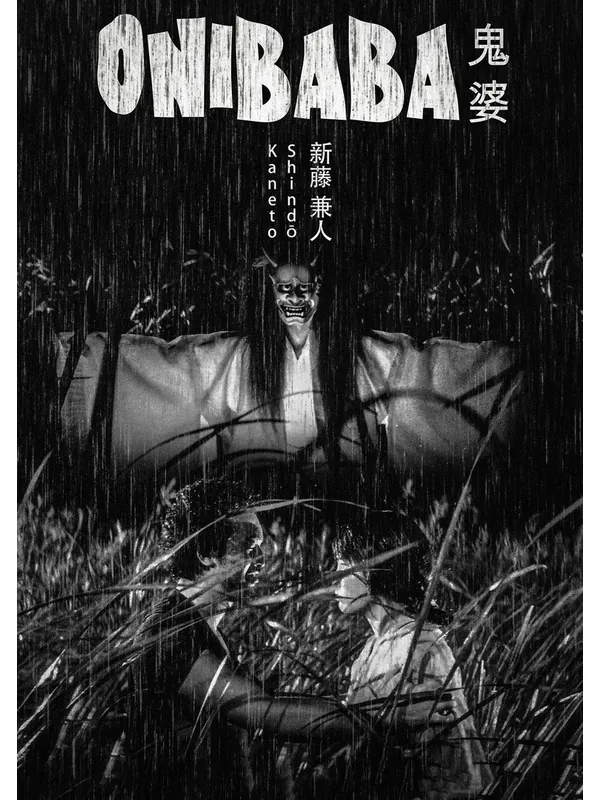
Onibaba (1964)
Director: Kaneto Shindo.
Starring: Nobuko Otowa (the old woman), Jitsuko Yoshimura (the young woman), Kei Satō (Hachi).
Synopsis: In war-torn medieval Japan, two women survive by killing stray samurai; a demonic mask will shatter their pact.
Why see it? An erotic and macabre fable with striking visual power.
Note: Kaneto Shindo drew inspiration from a Buddhist parable: a demon mask, worn to frighten a young woman, remains stuck to the face of the person who put it on. Nobuko Otowa, the filmmaker’s favorite actress, would later become his wife. Hikaru Hayashi’s score blends taiko drums and jazz.
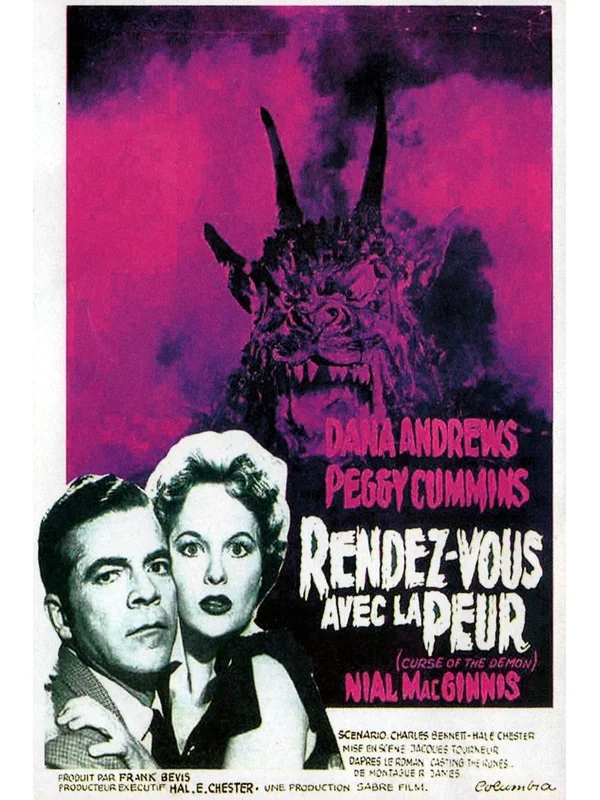
Night of the Demon (1957)
Director: Jacques Tourneur.
Starring: Dana Andrews (John Holden), Peggy Cummins (Joanna Harrington), Niall MacGinnis (Julian Karswell).
Synopsis: A skeptical psychologist investigates a satanic cult and finds himself under the threat of a curse.
Why see it? A masterpiece of fantasy from the master of suggestion and shadow.
Note: Based on the short story “Casting the Runes” by M. R. James (1911). Tourneur wanted the demon to remain invisible; producer Hal E. Chester insisted on shots of the creature. Kate Bush opens her song “Hounds of Love” with a line from the film: “It’s in the trees! It’s coming!”
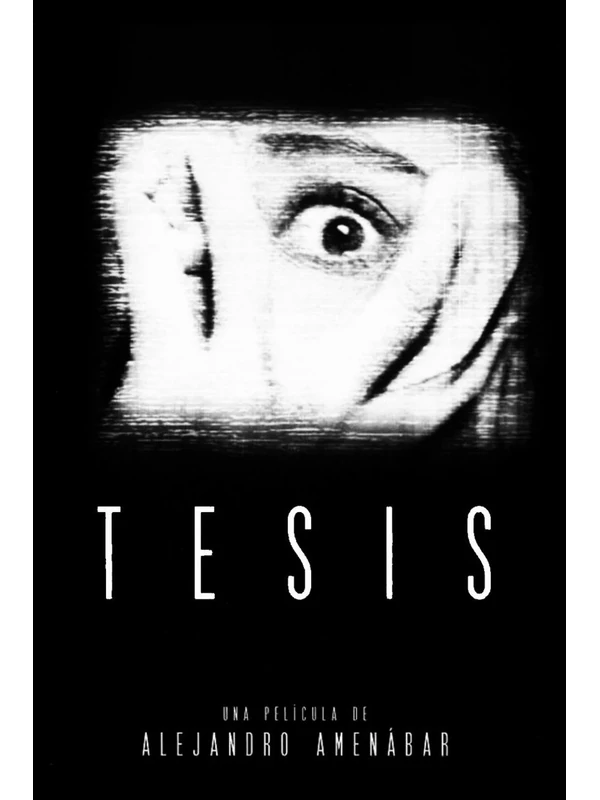
Thesis (1996)
Director: Alejandro Amenábar.
Starring: Ana Torrent (Ángela), Fele Martínez (Chema), Eduardo Noriega (Bosco).
Synopsis: A film student researching violence on screen discovers the existence of snuff movies right in her own college.
Why see it? A tense and chilling thriller—Amenábar’s masterful debut film.
Fun fact: Alejandro Amenábar was 23 years old and had not yet finished his studies when he shot the film in the summer of 1995, largely on the campus of his own department—the Department of Information Sciences at the Complutense University of Madrid. The character Professor Castro is named after a professor who had failed him. The film won seven Goya Awards, including Best Picture.
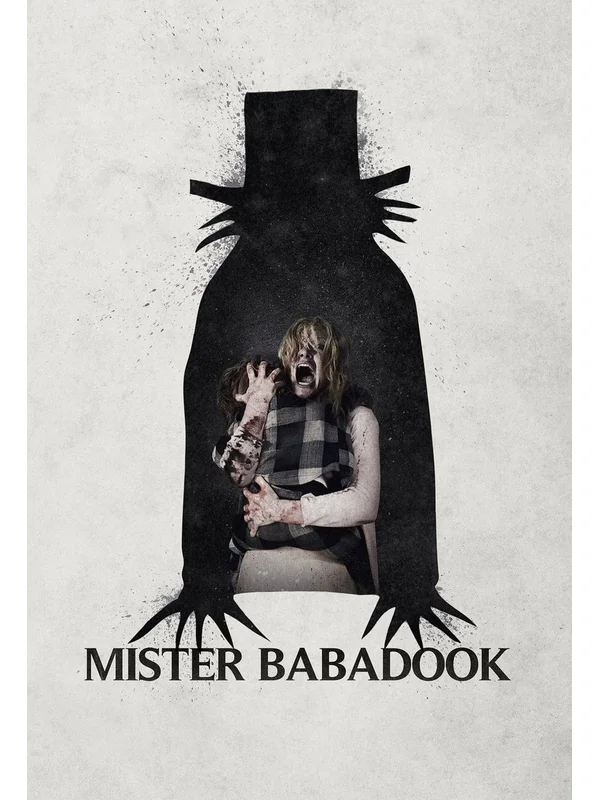
Mister Babadook (The Babadook) (2014)
Director: Jennifer Kent.
Starring: Essie Davis (Amelia), Noah Wiseman (Samuel), Hayley McElhinney (Claire).
Synopsis: A widowed mother and her young son are haunted by a creature from a children's book that has appeared in their home.
Why watch it? A remarkable psychological horror film in which the monster serves as a metaphor for grief.
Note: Jennifer Kent expands upon her short film *Monster* (2005) in this feature; a Kickstarter campaign helped fund part of the sets and special effects. At the 2014 Gérardmer Film Festival, it won four awards, including the Jury Prize and the Audience Award. William Friedkin, the director of *The Exorcist*, said he had never seen a more terrifying film.
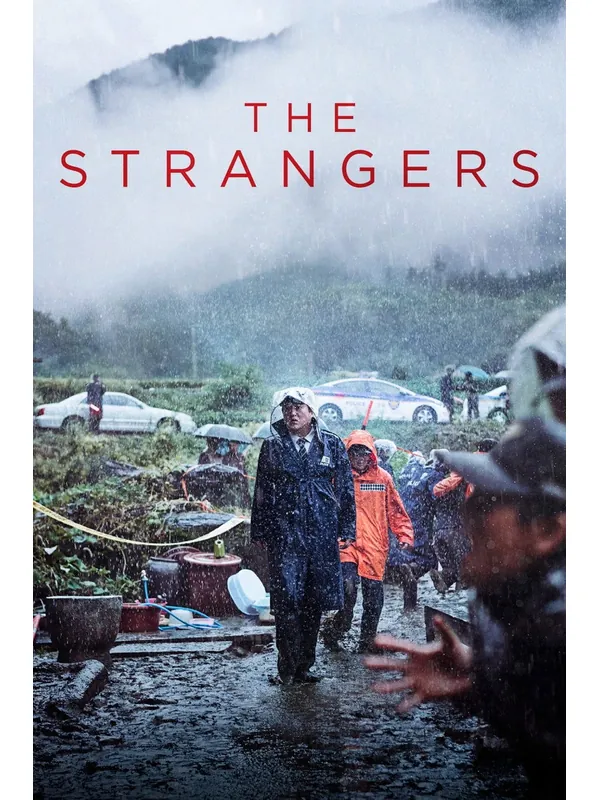
The Strangers (Goksung) (2016)
Director: Na Hong-jin.
Starring: Kwak Do-won (Jong-goo), Hwang Jung-min (Il-gwang, the shaman), Jun Kunimura (the Japanese stranger).
Synopsis: In a Korean village, a series of unexplained murders coincides with the arrival of a stranger; a police officer investigates while his daughter falls ill.
Why watch it? A vast, deranged horror epic that blends crime thriller, possession, and a tale of evil.
Note: Screened out of competition at the 2016 Cannes Film Festival. The foreigner is played by Japanese actor Jun Kunimura, who portrayed Boss Tanaka in *Kill Bill* and won the Blue Dragon Award for Best Supporting Actor for this role. The Korean title is written with characters that mean “cry of lamentation,” hence the English title *The Wailing*, and is pronounced like Gokseong, the region where the story takes place and where the director’s grandmother was from.
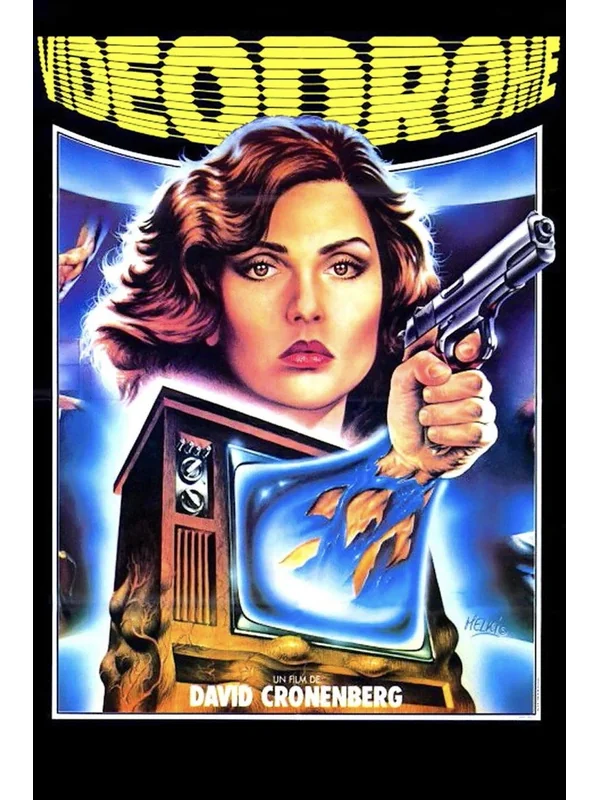
Videodrome (1983)
Director: David Cronenberg.
Starring: James Woods (Max Renn), Debbie Harry (Nicki Brand), Sonja Smits (Bianca O’Blivion).
Synopsis: The head of a cable network discovers a show featuring real torture that corrupts his body and mind.
Why watch it? A manifesto of the “new flesh,” a hallucinatory prophecy about images and the media.
Note: Professor Brian O’Blivion is based on Marshall McLuhan, the Toronto-based media theorist. The makeup effects were created by Rick Baker. The film was poorly received at test screenings and was a box-office flop before becoming a cult classic.
Where should I start?
For the must-see classics: *The Exorcist*, followed by *The Shining*.
For Italian Gothic and giallo films: *The Mask of the Demon*, followed by *The Shivers of Anxiety*.
For films that evoke fear: *Rendezvous with Fear * and *Eyes Without a Face*.
For today's horror: *Mister Babadook*, followed by *The Strangers*.
Frequently Asked Questions
What was the first horror movie?
Georges Méliès’s *The Devil’s Manor* (1896), a three-minute film, is often cited as the first; however, it was intended more to amaze than to frighten. The first feature-length films that were truly scary came from German Expressionism, with *The Cabinet of Dr. Caligari* (1920) and *Nosferatu* (1922).
Has a horror movie ever won an Oscar?
*The Exorcist* was the first horror film to be nominated for the Oscar for Best Picture, in 1974. It won two Oscars, for Best Adapted Screenplay and Best Sound. The Best Picture winner that comes closest to the horror genre is *The Silence of the Lambs* (1992), a thriller that straddles the line between horror and other genres.
What is a giallo?
An Italian thriller—often gory—centered on a mysterious killer with gloved hands. The word means “yellow”: it comes from the covers of the detective novels published by Mondadori starting in 1929. Mario Bava laid the groundwork for the genre in the 1960s; Dario Argento’s *Deep Red* (1975) is one of its pinnacles.
What is body horror?
A horror genre based on the transformation or degradation of the body. David Cronenberg is its leading figure: in *Videodrome* (1983), the images contaminate the very flesh of the protagonist. Guillermo del Toro’s *Cronos* also explores this metamorphosis.
Why aren't some highly anticipated movies included in this selection?
To avoid duplicates, each film appears on only one of our pages. *The Thing*, *Nosferatu*, *Grave*, *Dark Water*, and *Us* are not included in this selection: you can find them in our classic films, black-and-white films, contemporary French films, Asian films, and contemporary films sections.
See also: black-and-white · classics · contemporary · Asian · contemporary French · Italian · Chinese · French series
Programs offered at ESRA Paris
The school offers post-baccalaureate Programs in all three audiovisual fields. These Programs award a state-approved degree recognized by the French Ministry of Higher Education and Research.
Producer, Director, Editor
Audiovisual, Sound Systems, Music,
Radio, Video Games
Animation, 3D Compositing & VFX, Management & Production, Modeling