Reignite your passion for cinema by (re)discovering the great classics of Chinese cinema, from mainland China to Hong Kong and Taiwan. Settle in comfortably with a bowl of popcorn, and let yourself be swept away by these must-see films. Here’s a selection of fifteen cult Chinese films you should see at least once in your life. And if these masterpieces inspire you to get behind the camera, check out our Film & Television Programs .
Three Key Points for Understanding Chinese Cinema
Wu xia, the chivalric film (since the late 1920s)
Its heroes are wandering knights who right wrongs with swords and martial arts. The genre emerged in cinema in the late 1920s, then enjoyed its golden age in Hong Kong in the 1960s and 1970s, with the Shaw Brothers: King Hu’s *The Golden Swallow* (1966), followed by Chang Cheh’s *One-Armed Swordsman* (1967), the first film to gross over one million Hong Kong dollars at the local box office. Ang Lee’s *Crouching Tiger, Hidden Dragon* (2000) popularized the genre in the West.
The New Waves of Hong Kong and Taiwan (1979–1987)
In Hong Kong, a new generation emerged in 1979 with Tsui Hark’s *The Butterfly Murders * and Ann Hui’s *The Secret *. In Taiwan, the anthology film *In Our Time * (1982)—which included a segment directed by Edward Yang—launched the New Taiwanese Cinema, a movement also spearheaded by Hou Hsiao-hsien. The 1987 manifesto marked the end of this era; two years later, Hou’s *City of Sadness* won the Golden Lion at Venice.
The fifth and sixth generations (since 1982)
Graduates of the Beijing Film Academy in 1982, Chen Kaige and Zhang Yimou ushered in a new era of Chinese cinema: *Yellow Earth* (1984), directed by Chen and shot by Zhang, followed by *Red Sorghum*, Zhang’s debut film and winner of the Golden Bear in 1988. The next generation, known as the “sixth generation,” often shot on low budgets and later in digital format; Jia Zhangke is its leading figure, having won the Golden Lion in 2006 for *Still Life*.
Must-See Chinese Movies
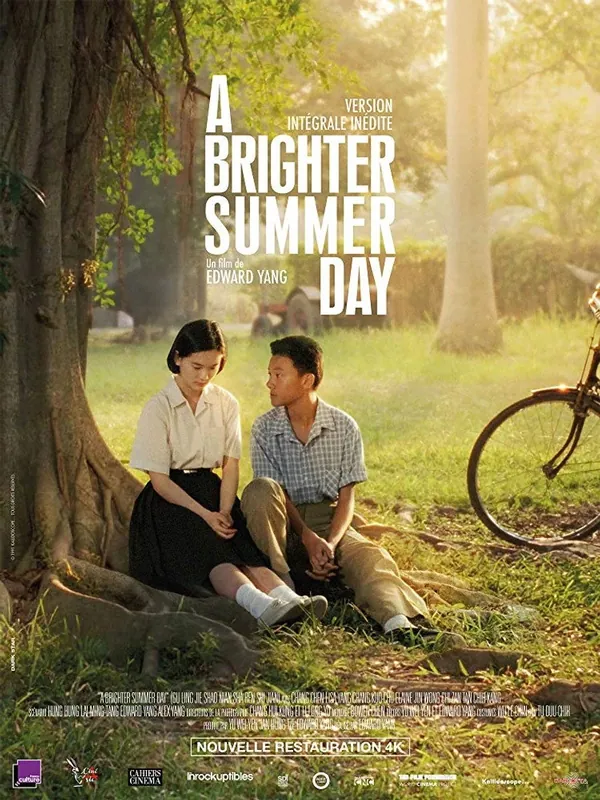
A Brighter Summer Day (1991)
Director: Edward Yang.
Starring: Chang Chen (Xiao Si’r), Lisa Yang (Ming), Chang Kuo-chu (Si’r’s father).
Synopsis: In 1960s Taiwan, a teenager searching for his identity gradually slips into a life of crime with the gangs at his night school.
Why see it? An epic saga of the Taiwanese New Wave and the absolute pinnacle of Edward Yang’s filmography.
Note: Chang Chen’s first role: his real-life father, Chang Kuo-chu, also plays his father on screen. The Chinese title refers to a news story that occurred at Edward Yang’s middle school when he was about 13 years old: the murder of a young girl by a 14-year-old boy. The English title comes from a line in Elvis Presley’s “Are You Lonesome Tonight?” The film runs nearly four hours and ranks 78th on the 2022 Sight and Sound list.
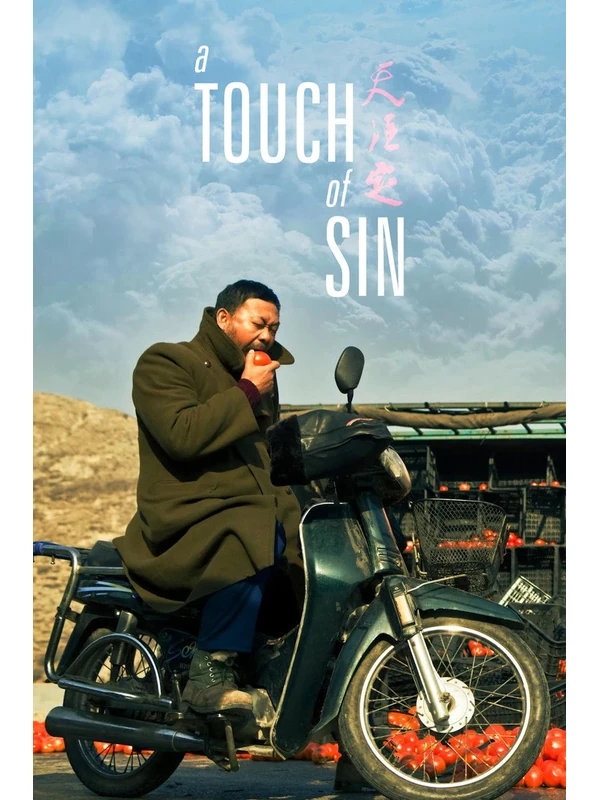
A Touch of Sin (2013)
Director: Jia Zhangke.
Starring: Jiang Wu (Dahai), Wang Baoqiang (Zhou San), Zhao Tao (Xiao Yu).
Synopsis: Four stories, inspired by real events, paint a portrait of contemporary China, where violence is a response to inequality and corruption.
Why see it? Winner of the Best Screenplay Award at Cannes, a brutal and masterful examination of modern-day China.
Note: The English title is a nod to King Hu’s *A Touch of Zen *. Each story is based on a real-life incident: the 2001 Hu Wenhai killings, Zhou Kehua’s deadly robberies, the 2009 Deng Yujiao case, and the wave of suicides at Foxconn. Although initially approved, the film’s release in China has been postponed indefinitely.
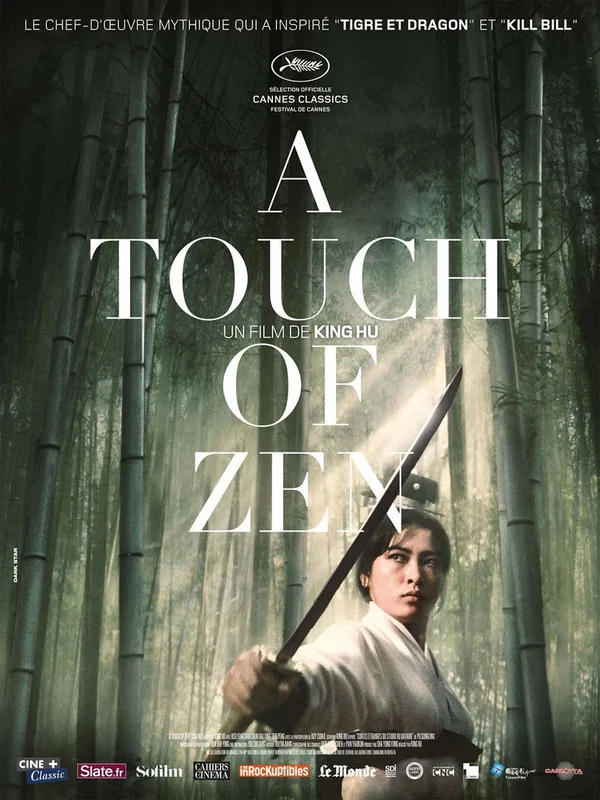
A Touch of Zen (1971)
Director: King Hu.
Starring: Hsu Feng (Yang Huizhen), Shih Chun (Gu Shengzhai), Roy Chiao (Monk Huiyuan).
Synopsis: A shy scholar finds himself caught up in the escape of a young noblewoman being hunted by the imperial police in a legendary China.
Why see it? A masterpiece of wuxia cinema, winner of the Technical Grand Prize at Cannes, with a formal beauty that has influenced the entire genre.
Note: Adapted from a story in Pu Songling’s *Strange Tales *. Filming took more than three years. In Taiwan, the film was released in two parts, in 1970 and 1971, and remained in theaters for only one week. The first wu xia film to win an award at a major international film festival, it was restored in 4K and screened at Cannes Classics in 2015.
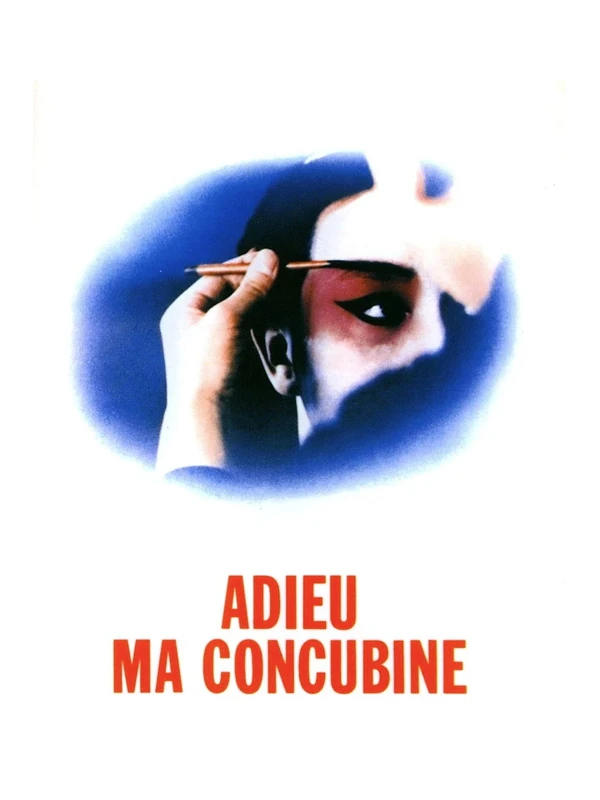
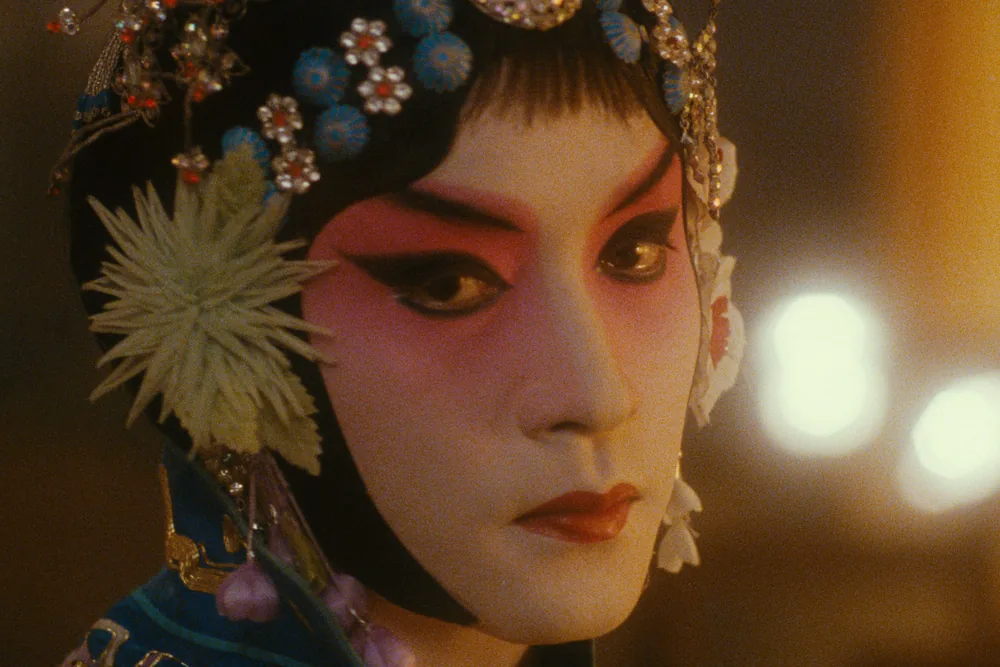
Farewell, My Concubine (1993)
Director: Chen Kaige.
Starring: Leslie Cheung (Cheng Dieyi), Zhang Fengyi (Duan Xiaolou), Gong Li (Juxian).
Synopsis: Over the course of half a century of Chinese history, two Peking Opera actors see their friendship and their feelings put to the test by political upheavals.
Why see it? Winner of the Palme d’Or, a sumptuous and heart-wrenching epic—one of the great films of Chinese cinema.
Note: Based on the novel by Lilian Lee, who co-wrote the screenplay. Leslie Cheung, a Cantonese-speaking actor, is largely dubbed in Mandarin by Yang Lixin. Withdrawn from Chinese theaters in August 1993, the film was re-released there in September, shortened by 14 minutes and with a toned-down ending. To date, it remains the only Chinese-language film to have won the Palme d’Or.
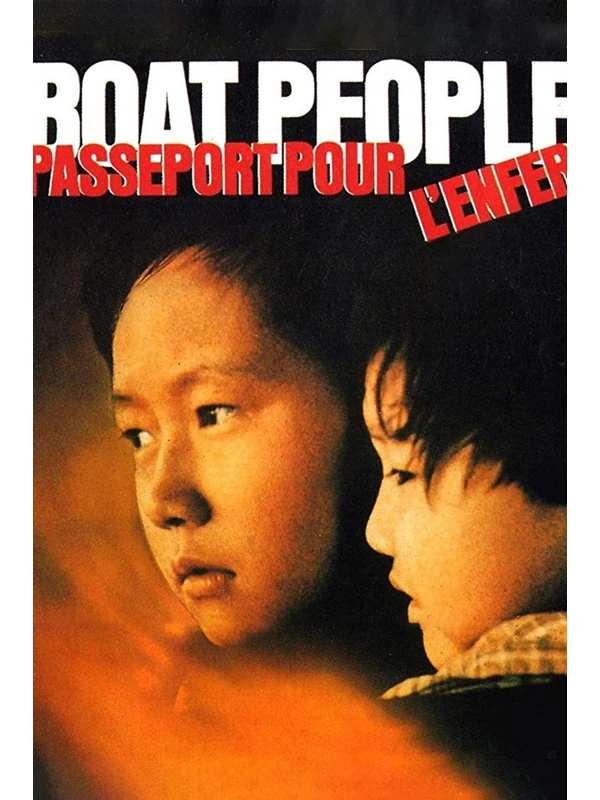
Boat People (1982)
Director: Ann Hui.
Starring: George Lam (Shiomi Akutagawa), Season Ma (Cam Nuong), Andy Lau (To Minh).
Synopsis: A Japanese photojournalist discovers the reality of postwar Vietnam and the tragic fate of those trying to flee.
Why watch it? A groundbreaking film from the Hong Kong New Wave, a humanistic and political work by Ann Hui.
Note: The final installment of Ann Hui’s Vietnamese trilogy. Filmed on the Chinese island of Hainan, it was banned in Taiwan, where it wasn’t shown until 2023. Andy Lau plays one of his first roles in the film. The film won five Hong Kong Film Awards in 1983, including Best Picture and Best Director.
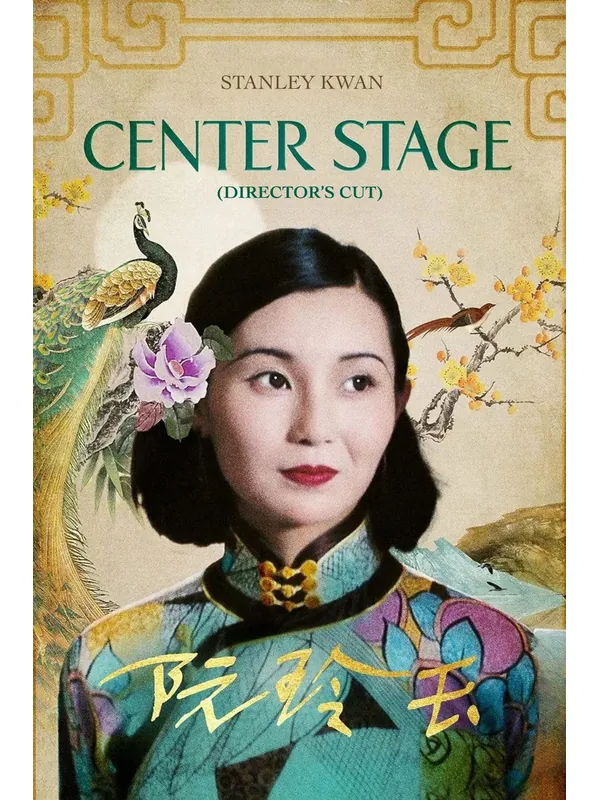
Center Stage (1991)
Director: Stanley Kwan.
Starring: Maggie Cheung (Ruan Lingyu), Tony Leung Ka-fai (Cai Chusheng), Chin Han (Tang Jishan).
Synopsis: The life and career of Ruan Lingyu, the tragic star of 1930s Chinese silent cinema, who died at the age of twenty-four.
Why see it? A dizzying biopic starring Maggie Cheung, a Berlin Film Festival award winner, and a reflection on cinema and memory.
Note: The film interweaves reenactments, clips from Ruan Lingyu’s films, interviews with witnesses, and scenes showing Stanley Kwan preparing Maggie Cheung for the role. Nicknamed the “Chinese Garbo,” Ruan Lingyu committed suicide in 1935 under pressure from the tabloid press. Maggie Cheung also won the Golden Horse Award for Best Actress for this role.
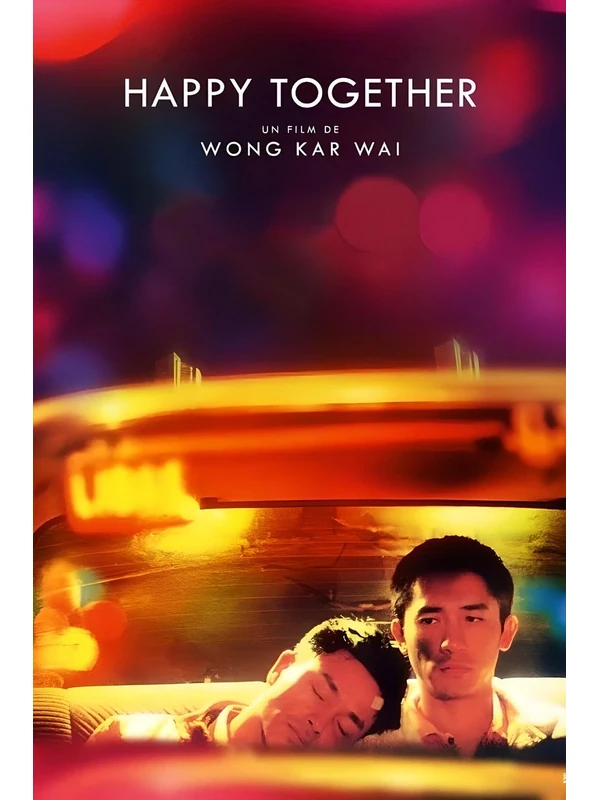
Happy Together (1997)
Director: Wong Kar-wai.
Starring: Leslie Cheung (Ho Po-wing), Tony Leung Chiu-wai (Lai Yiu-fai), Chang Chen (Chang).
Synopsis: In Buenos Aires, a Hong Kong couple goes through a tumultuous breakup and reconciliation amid a passionate, breathless romance.
Why see it? Winner of the Best Director Award at Cannes, a sensory and heart-wrenching melodrama, Wong Kar-wai’s masterpiece.
Note: Filmed in Argentina over the course of about four months, beginning in August 1996; the documentary *Buenos Aires Zero Degree* (1999) offers a behind-the-scenes look. The English title is taken from a song by The Turtles (1967). The song “Cucurrucucú paloma,” performed by Caetano Veloso, would later appear in Barry Jenkins’ *Moonlight *. Tony Leung won the Hong Kong Film Award for Best Actor for this role.
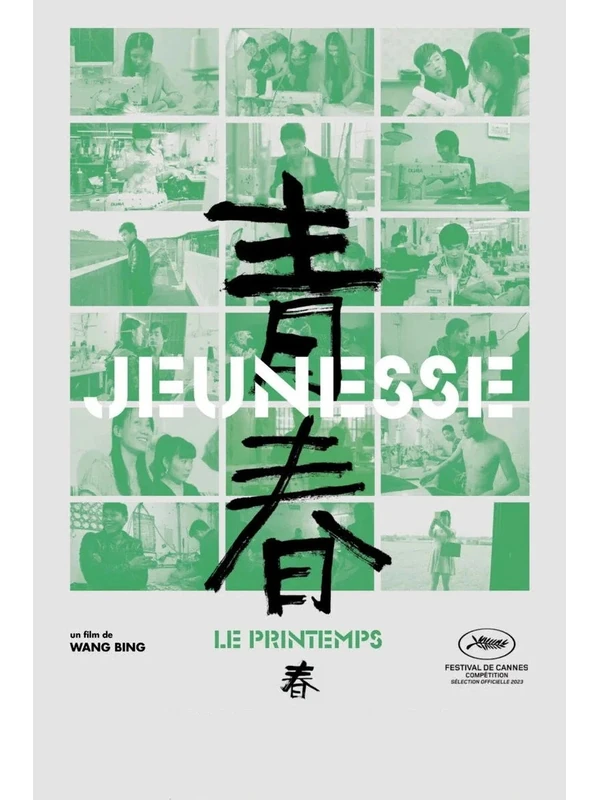
Youth (Spring) (2023)
Director: Wang Bing.
Synopsis: In the textile factories of Zhili, young workers from the countryside work, fall in love, and dream to the rhythm of the sewing machines.
Why watch it? The first installment of a documentary trilogy, presented in competition at Cannes in 2023, offering a political and deeply moving look at working-class China.
Note: Filmed from 2014 to 2019 in Zhili, a city in Zhejiang that has become a major center for the garment industry, located about 150 km from Shanghai. This is Wang Bing’s first film to be in competition at Cannes, and it runs 3 hours and 32 minutes. The trilogy continues in 2024 with *Youth* (*The Torments*), screened at Locarno, and *Youth* (*Return to the Homeland*), in competition at Venice.
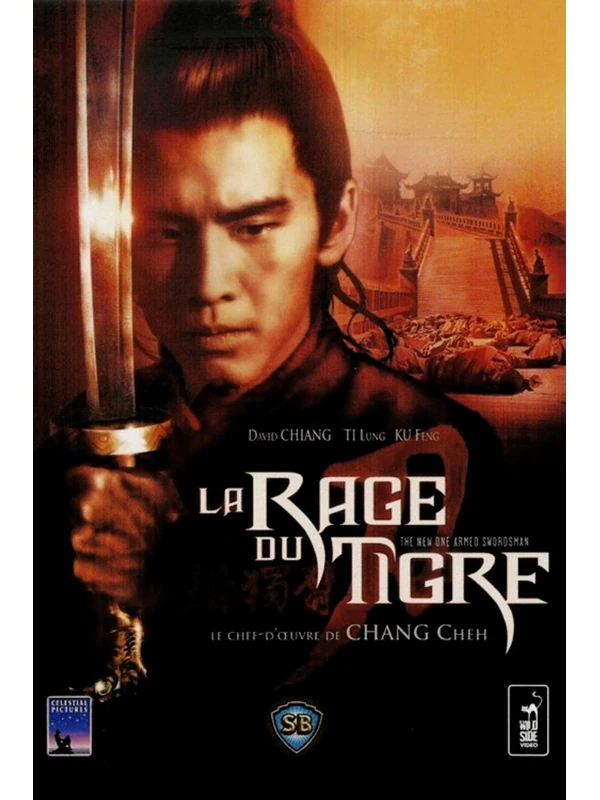
The Tiger's Rage (1971)
Director: Chang Cheh.
Starring: David Chiang (Lei Li), Ti Lung (Feng Junjie), Ku Feng (Long Yizhi).
Synopsis: A swordsman who cut off his own arm after losing a duel takes on—despite his disability—a clan of assassins and their master in a relentless quest for revenge.
Why watch it? A classic Shaw Brothers wu xia film, a flamboyant sword-fighting movie, and the third installment in the One-Armed Swordsman saga.
Note: The Chinese title means “The New One-Armed Swordsman.” The series began with *One Arm Killed Them All* (1967), also directed by Chang Cheh and starring Jimmy Wang Yu; here, David Chiang takes over the lead role. The screenplay was written by Ni Kuang. The final duel takes place on a bridge, where the hero, in turn, cuts off his enemy’s arm.
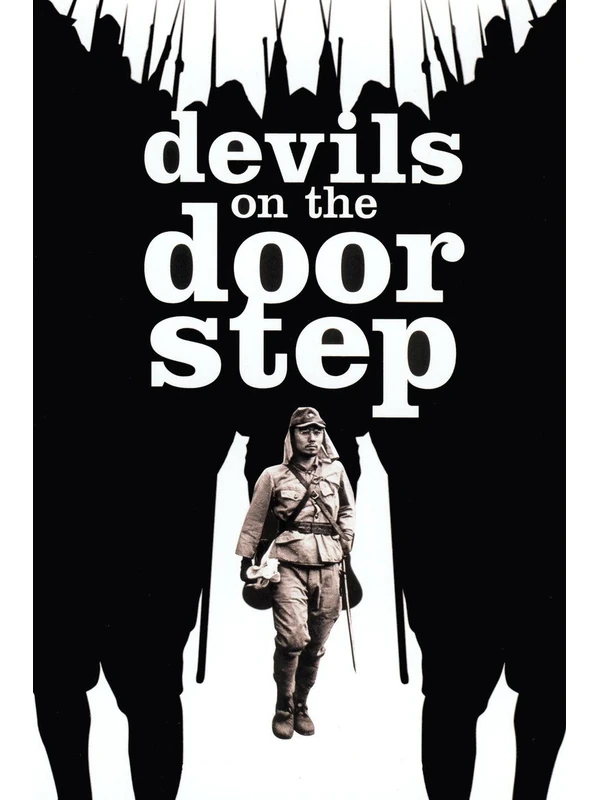
Demons at My Door (2000)
Director: Jiang Wen.
Starring: Jiang Wen (Ma Dasan), Teruyuki Kagawa (Kosaburo Hanaya), Yuan Ding (Dong Hanchen).
Synopsis: During the Japanese occupation, Chinese villagers are entrusted with two prisoners whom they dare neither keep nor execute.
Why see it? Winner of the Grand Prix at Cannes, a fierce and tragicomic black-and-white war fable.
Note: The two prisoners are a Japanese sergeant and his Chinese interpreter. According to *Time* magazine, the five months of filming reportedly exhausted the supply of Kodak black-and-white film available in China; only the final few minutes are in color. Screened at Cannes against the authorities’ wishes, the film was banned in China, and Jiang Wen did not direct another film until 2007.
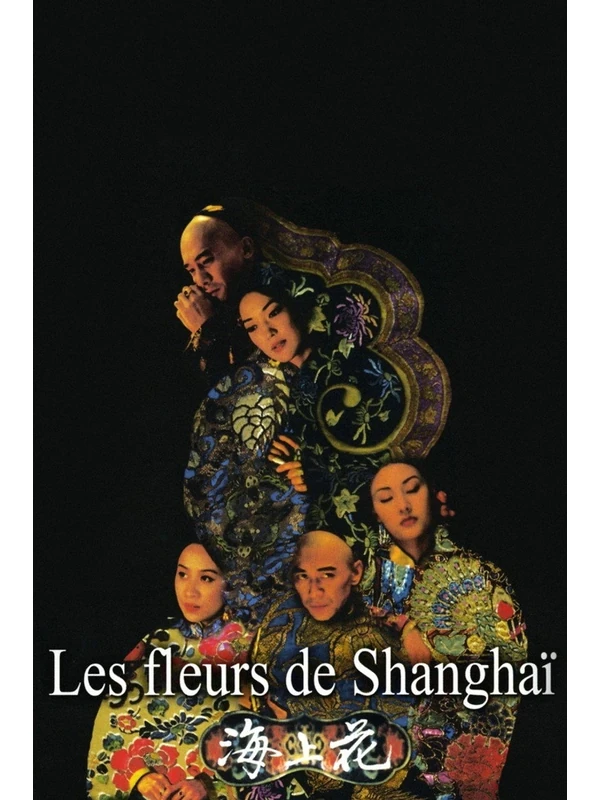
The Flowers of Shanghai (1998)
Director: Hou Hsiao-hsien.
Starring: Tony Leung Chiu-wai (Wang), Michiko Hada (Ruby), Carina Lau (Pearl).
Synopsis: In the brothels of late-19th-century Shanghai, the hushed intrigues of the “flowers” and their clients unfold and unravel.
Why see it? A masterpiece of atmosphere by Hou Hsiao-hsien, a spellbinding, closed-set drama bathed in the light of oil lamps.
Note: Based on a novel by Han Bangqing (1892), written in the Wu dialect and translated into Mandarin by novelist Eileen Chang. The film features fewer than forty shots over the course of nearly two hours, connected by fades to black. Cinematography by Mark Lee Ping-bin. In 1999, critics at the Village Voice ranked it the third-best film of the 1990s.
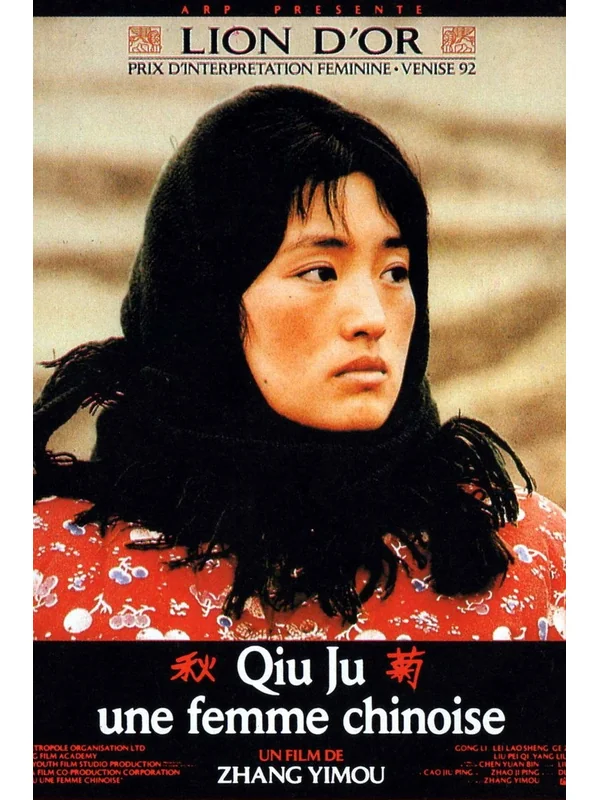
Qiu Ju, a Chinese Woman (1992)
Director: Zhang Yimou.
Starring: Gong Li (Qiu Ju), Liu Peiqi (Wan Qinglai, her husband), Lei Kesheng (Wang Shantang, the village chief).
Synopsis: A pregnant peasant woman navigates the Chinese bureaucracy to seek redress after the village chief beat her husband.
Why see it? Winner of the Golden Lion at Venice, a tender and determined story carried by Gong Li.
Note: Filmed largely with hidden cameras, featuring non-professional actors, including actual civil servants. Based on a short story by Chen Yuanbin, in which screenwriter Liu Heng relocated the action from southern to northern China, to Shaanxi. Gong Li won the Volpi Cup for Best Actress for this role.
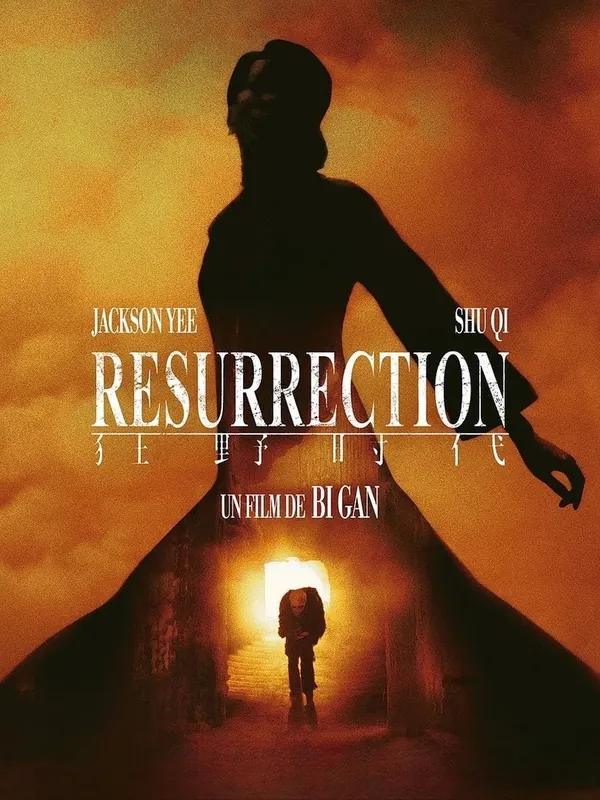
Resurrection (2025)
Director: Bi Gan.
Starring: Jackson Yee (the dreamer, playing multiple roles), Shu Qi (the Great Other), Mark Chao (the Commander).
Synopsis: In a future where humanity has given up dreaming in order to live longer, a woman tracks down one of the last dreamers and follows him through the ages, across a century of history and cinema.
Why see it? Winner of the Special Prize at Cannes 2025, a dizzying sensory odyssey from the most captivating of China’s young filmmakers.
Note: Each chapter explores one of the five senses: sight, hearing, taste, smell, and touch. The final chapter, set on New Year’s Eve 1999, consists of a single take lasting more than half an hour. Bi Gan had previously concluded *A Long Journey Into Night* (2018) with a single take lasting about an hour, shot in 3D. Music by the French band M83.
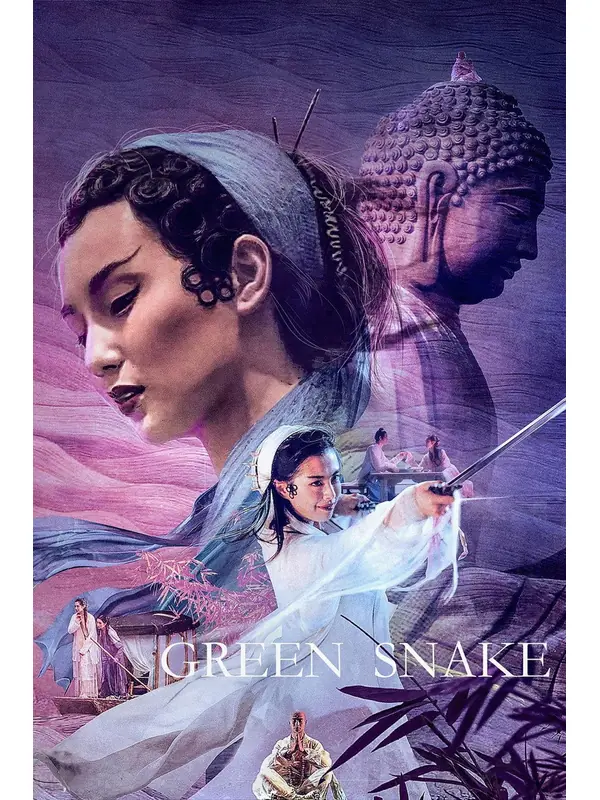
Green Snake (1993)
Director: Tsui Hark.
Starring: Maggie Cheung (the Green Snake), Joey Wong (the White Snake), Vincent Zhao (Monk Fahai), Wu Hsing-kuo (Xu Xian).
Synopsis: Two serpent spirits—one white, the other green—take human form and discover love and desire, all under the watchful eye of an uncompromising monk.
Why see it? A flamboyant and sensual fantasy film by Tsui Hark, starring Maggie Cheung and Joey Wong.
Note: Based on the novel by Lilian Lee, author of the books on which Stanley Kwan’s *Farewell My Concubine* and *Red* are based. The film shifts the focus of the legend of the White Snake: the green snake, a minor character in the original tale, becomes the heroine. Xu Xian is played by Wu Hsing-kuo, a Taiwanese Peking Opera star.
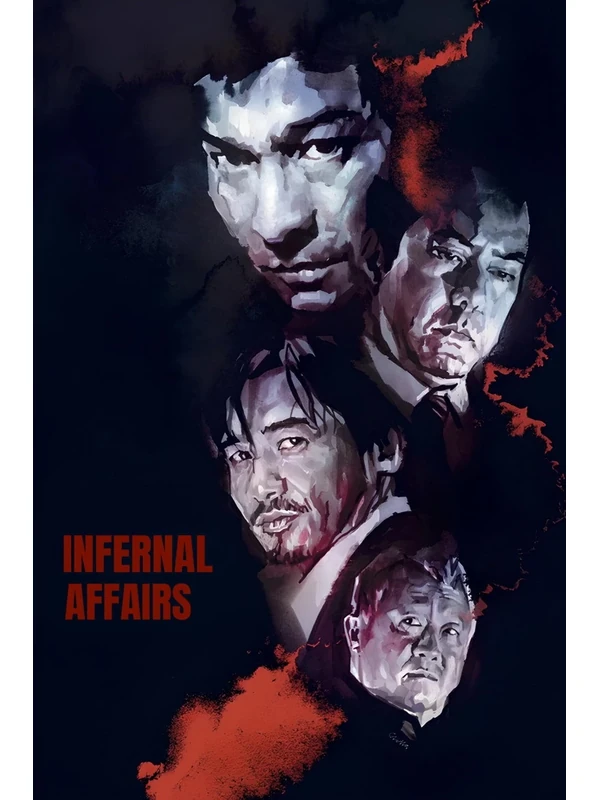
Infernal Affairs (2002)
Directors: Andrew Lau and Alan Mak.
Starring: Andy Lau (Lau Kin-ming), Tony Leung Chiu-wai (Chan Wing-yan), Eric Tsang (Hon Sam).
Synopsis: An undercover cop infiltrating a triad and a mafia mole within the police force are hunting each other down, each trying to expose the other.
Why watch it? A cult Hong Kong thriller and the pinnacle of undercover crime films, which inspired the Oscar-winning remake *The Departed*.
Note: The Chinese title refers to Avīci, the deepest of the Buddhist hells, where suffering is endless. For mainland China, a different ending was filmed: the mole is arrested there. Two sequels were released starting in 2003. Martin Scorsese’s remake, *The Departed*, won four Oscars in 2007, including Best Picture.
Where should I start?
For the sword-fighting films: *A Touch of Zen*, followed by *The Tiger's Rage*.
For the Hong Kong crime thriller: *Infernal Affairs*.
For Taiwanese cinema: *The Flowers of Shanghai*, followed by the four-hour *A Brighter Summer Day*.
For today's China: *A Touch of Sin*, followed by *Youth* (*Spring*).
Frequently Asked Questions
What was the first Chinese film?
Dingjunshan (“Mount Dingjun”), filmed in Beijing in 1905 by Ren Jingfeng’s Fengtai Film Studio: a recording of a Peking opera featuring the singer Tan Xinpei. Chinese cinema thus originated from opera, a central theme in*Farewell My Concubine*.
Which Chinese film won the Palme d'Or?
Chen Kaige’s *Farewell My Concubine* (1993), which tied with Jane Campion’s *The Piano* for the award. To date, it remains the only Chinese-language film to have won it.
What is wu xia?
Chinese martial arts films: Their heroes, wandering knights, fight injustice with swords and martial arts. The genre enjoyed its golden age in Hong Kong and Taiwan in the 1960s and 1970s, with King Hu’s *A Touch of Zen* and Chang Cheh’s *The Tiger’s Fury *.
Quel film a inspiré <em>Les Infiltrés</em> de Martin Scorsese ?
*Infernal Affairs* by Andrew Lau and Alan Mak (2002). Scorsese transposes the plot to Boston, among Irish gangsters; his 2007 remake won four Oscars, including Best Picture.
Why aren't some highly anticipated movies included in this selection?
To avoid duplicates, each film appears on only one of our pages. Wong Kar-wai’s *Chungking Express* and John Woo’s *Unbreakable* are not included in this selection: you can find them in our Asian films section.
See also: black-and-white · classics · contemporary · Asian · Italian · contemporary French · horror · French series
Programs offered at ESRA Paris
The school offers post-baccalaureate Programs in all three audiovisual fields. These Programs award a state-approved degree recognized by the French Ministry of Higher Education and Research.
Producer, Director, Editor
Audiovisual, Sound Systems, Music,
Radio, Video Games
Animation, 3D Compositing & VFX, Management & Production, Modeling