
Understanding the competition
The ESRA entrance exam isn’t a traditional test. There are no right or wrong answers—it’s an opportunity to connect. It’s a chance to show who you are, what drives you, and why this profession appeals to you.
It consists of four events:
- Motivation
- General Knowledge Multiple-Choice Questions
- One-on-one interview
- Analysis (film, sound, or image)
The examiners' goal is to understand your curiosity, your sensitivity, and your potential. You don't need to be an expert—you just need to be sincere.
Prepare your statement of purpose
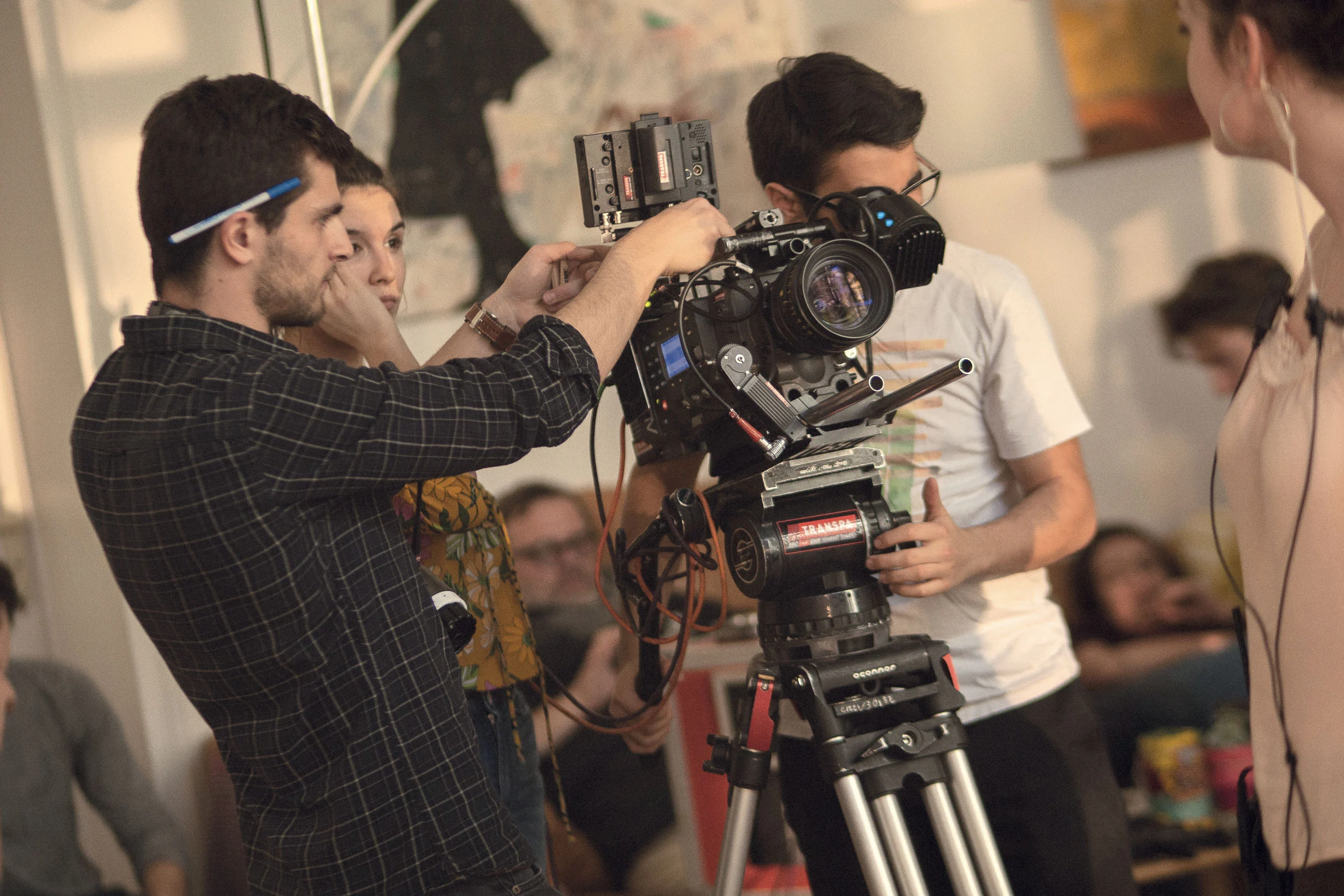
That’s the first thing the interviewers look at. They want to understand your background, what brought you here, and where you want to go.
The format is up to you: a letter, a video, a presentation, a journal… What matters is the content. Tell your story. Be specific, concrete, and honest.
- A clear goal: What career interests you and why?
- Hands-on experience: internships, film shoots, creative projects, and volunteer work
- A genuine desire: what inspired you, what motivates you today
Preparing for the multiple-choice test
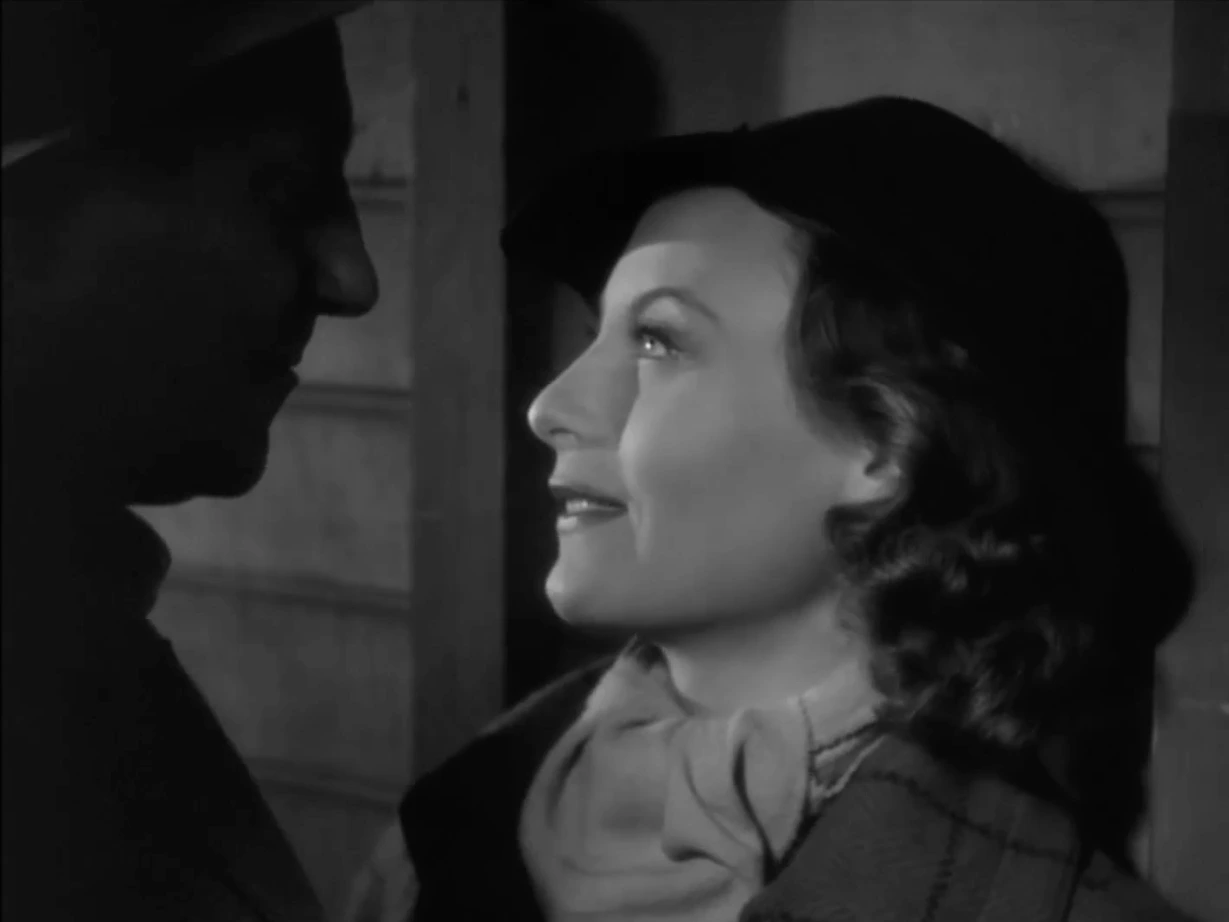
60 questions in 30 minutes, on a tablet. The topics are varied: film, music, literature, art, media economics, and current events. There’s no magic formula for preparation—but a few quick reflexes are all it takes to make a difference.
- MOVIES: Watch classics and contemporary films. Take note of directors, movements, and festivals.
- MUSIC: Listen beyond your usual tastes. Jazz, electronic, classical, rock—it all counts.
- NEWS: Read the news a few weeks in advance. One article a day is enough.
- ARTS: Visit art exhibitions and familiarize yourself with some key artists and art movements.
For the Programs , test your film knowledge with the "100 Films" quiz, compiled each year by Yves Alion, editor-in-chief of *Avant Scène Cinéma*.
How to Ace the Interview
This is a conversation, not an interrogation. The interviewer wants to understand who you are, what you’re passionate about, and how you think.
- Your career goals: What career are you aiming for? How long have you been aiming for it? Why?
- Your knowledge of the industry: movies, TV shows, directors, tools
- Your curiosity: experiences, artistic practices, relationship with the world
Be specific rather than general. Mention a movie, a sound, or a project that left a lasting impression on you, and explain why. That’s where you’ll stand out.
The analysis section
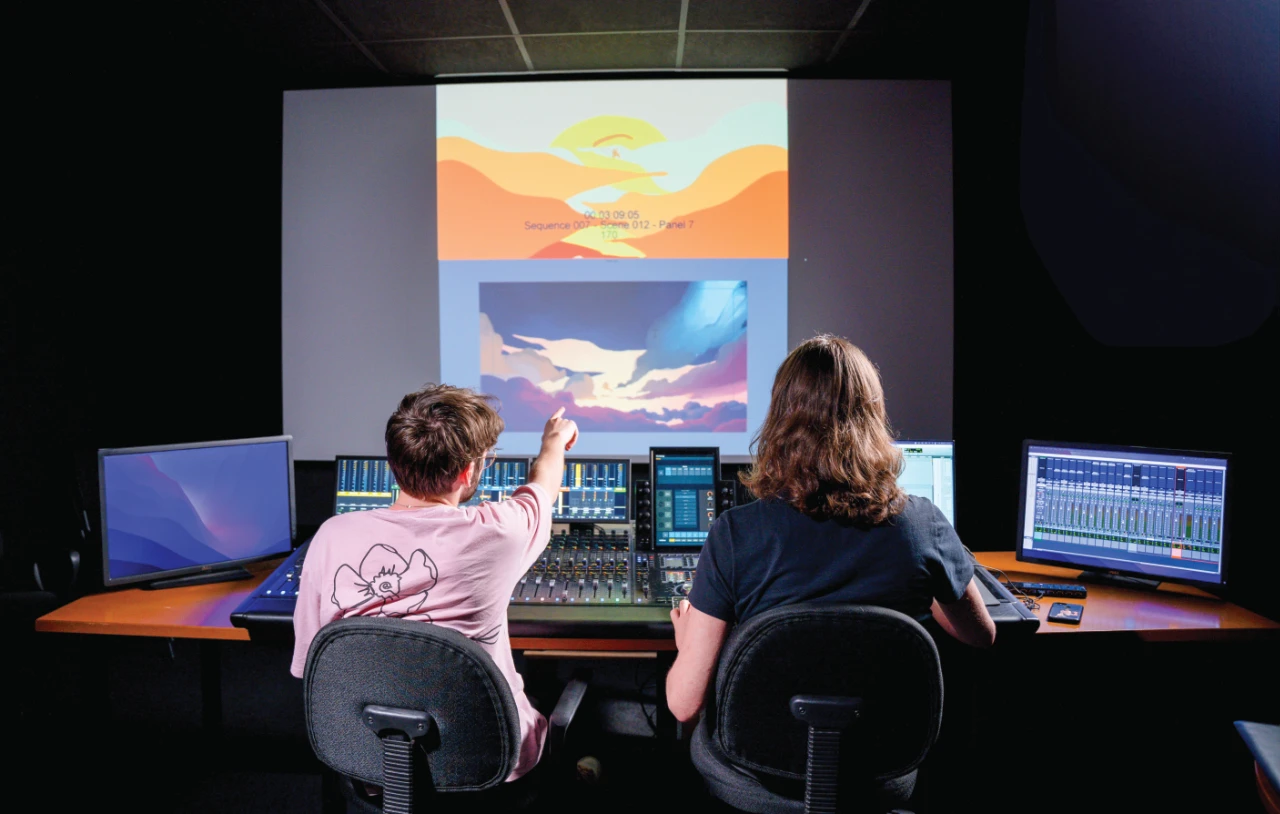
Depending on your course, you will analyze a film clip, an audio clip, or an image. The goal is not to find the “right” answer, but to develop a line of reasoning.
The examiner will guide you. What matters is observing, listening, and seeking meaning. Show that you see the world differently—that’s exactly what we expect from a future professional.
Build a portfolio
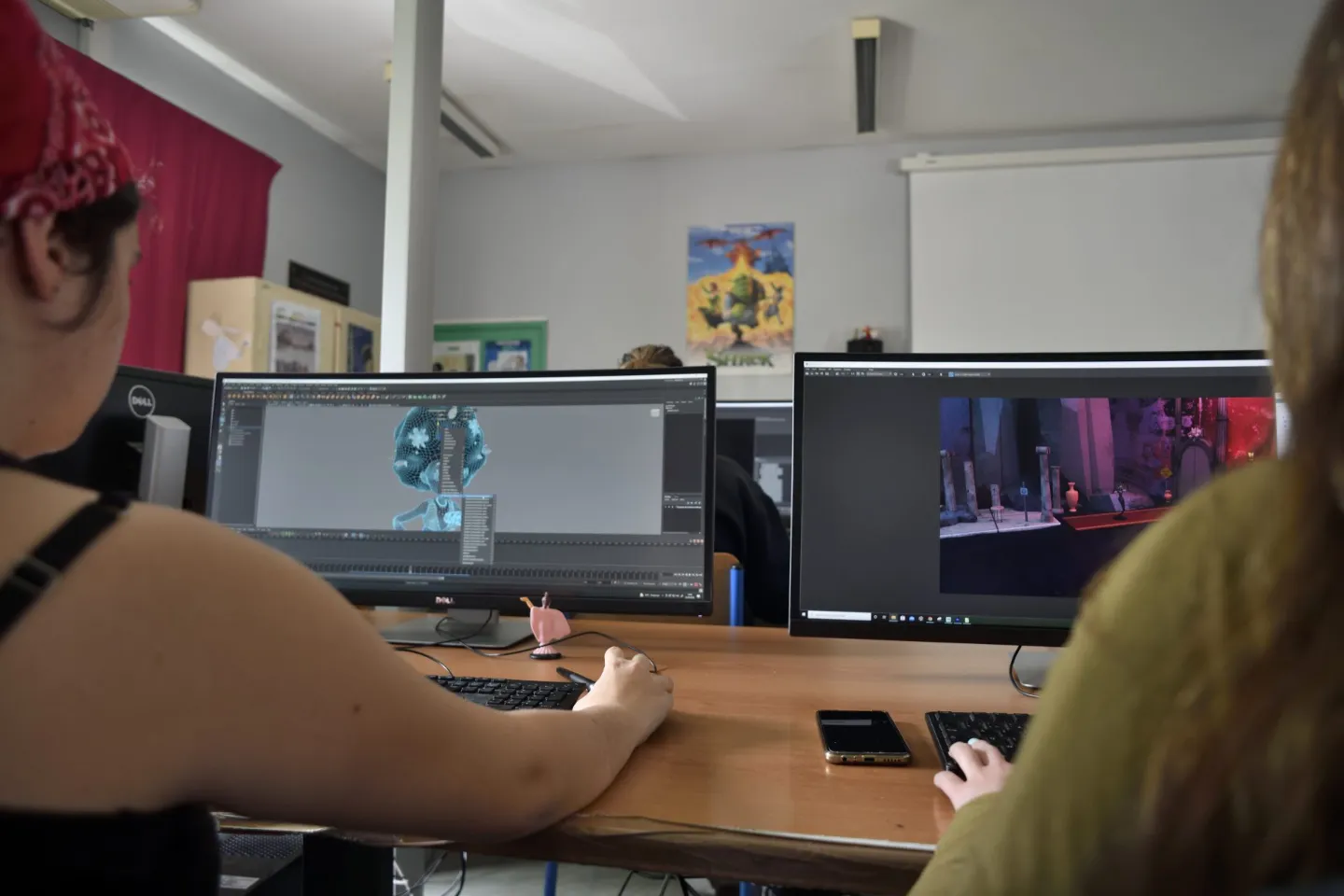
For the ESRA Animation program, you must bring a portfolio on the day of the audition. This is your artistic calling card; it should reflect your artistic vision, your skill level, and, above all, your passion for creating.
- Observational drawings: people, objects, landscapes
- Personal creations: characters, places, imaginary worlds
- Photos or video links to your early animation work
Between 10 and 20 pages, in PDF format. Use a variety of techniques, organize it carefully, and include only work you’re proud of.